Resident Evil TV Shows: A Rant

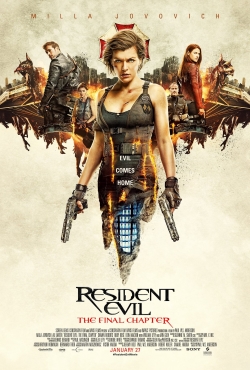
For the record, I have never actually played a Resident Evil video game. I have, however, watched them being played from the same sofa, and have gotten invested in them the same way you get invested in a very long slow TV show where zombies and Lickers can lunge out and chew on an identifiable main character. I am also moderately well-versed in the series’ lore, and I’ve watched the CGI anime movies. So I think I have at least a middling understanding of the franchise.

And I hate the movies.

Honestly, the movies feel like a thirteen-year-old girl’s fan-fiction, where the beloved main characters either do not exist, or are hollow inept sidekicks to the glorious all-powerful and beautiful Mary Sue. That is what Alice felt like to me. It also felt like Paul W.S. Anderson – who has produced maybe two adequate movies in his entire career – was making plots up based on other popular movies, and just slapping on superficial aspects of the video games to justify the name “Resident Evil.”

So I was pretty thrilled when I heard that they were going to be producing a Resident Evil TV series, because this was a chance to get it right. A fresh start! Maybe it would be something more faithful to the original games, with the Redfields, Leon Kennedy, Jill Valentine and Ada Wong.

Then… I read the information about it. It’s not about those characters. It’s about Albert Wesker’s made-up-for-this-TV-show-exclusively twin daughters, and we have more post-apocalyptic crap, just like in the movie series. As the final slap in the face, it’s being made by the same production company that gave us those crappy movies, executive-produced by a woman whose most notable success was Harriet the Spy, and written by some guy who’s given us about fifty million episodes of Supernatural. There’s really nothing to be optimistic about here.

I don’t know why it’s so hard for them to just make a good Resident Evil movie. I know that until Detective Pikachu you were lucky to get even a mediocre video-game movie, but… these movies already have their plots and characters sketched out for the filmmakers. Literally all you have to do is reshape the plot into a three-act structure, streamline the obstacles and quests, and add some dialogue. Voila! Movie!

And look at the characters! The characters of these games are iconic – not quite to the level of Mario, but they’re well-known and well-loved. I would love to see a movie about Leon Kennedy, Claire and Chris Redfield, Ada Wong and Jill Valentine. But in the movies, they’re either nonexistent or turned into pathetic defanged temporary sidekicks for the new characters that nobody likes.

I don’t care about Alice, no matter how much Paul W.S. Anderson wants me to because she was played by his wife. I don’t care about Albert Wesker’s newly-invented-for-this-TV-show daughters. I want Leon, Claire, Chris, Ada and Jill! JUST ADAPT THE GAMES! THE ONES FANS LIKE! But no, they’re doing the exact same thing that they did before – no attempt to make something that reflects the actual games that fans love to this day.

That’s why I’ve mostly stuck to watching the CGI anime movies based on the video games. They’re not perfect, and some of the CGI has aged, but it’s certainly better than the films.

THAT SAID…

I found out some utterly wonderful news last night. You see, there are actually two Resident Evil TV shows being produced. One is the above idiocy I whined about for so long. But there is another – a CGI anime being released on Netflix, which stars Leon and Claire… and which actually looks like a survival horror story. With an emphasis on “horror.”

And it looks… really good. Obviously you can’t tell quality from a minute-long trailer that is mostly Claire walking around an empty room, but the animation is good, the atmosphere is good, and it has Claire and Leon.

(I know Resident Evil games can have other protagonists, like the last game, but the adaptations should probably stick with established characters for the time being. Especially since the last original protagonist in an adaptation was… very very bad.)

Even better, I found out that they are rebooting the Resident Evil movies later this year… and while I can’t speak to the quality of the adaptation yet, the characters are Leon, Jill, Ada and the Redfields, it takes place in the 90s like the original game, and it’s apparently based on the first couple of games. I’m more cautious about this because… well, video game movies are almost always bad, mediocre at best, so I’m not going to get my hopes up. But the fact that it isn’t the Further Adventures Of Alice Doing Whatever She’s Doing really makes me hope it’s good and successful.

The Definition of a Mary Sue: What Is a Mary Sue?

Over the years, I’ve seen a lot of debate online about what a Mary Sue (or its male equivalent, a Gary Stu) actually is.

That’s because there is no one definition of it that everyone can agree on. For instance, some people think it’s always a self-insert character, but that’s not the case, and not all self-insert characters are Mary Sues. Just look at Agatha Christie’s Ariadne Oliver. Some think that it’s a character who is powerful or superhumanly adept… and again, that is not what defines a Mary Sue.

Some pretend that Mary Sues aren’t a real thing, or are something made up by misogynists to complain about Strong Powerful Women. Both of them are extremely incorrect, and these people are either ignorant of how fictional characters and their narratives work and exist in the real world, or are just cowards who don’t want to risk public disapproval by supporting criticism of this character type.

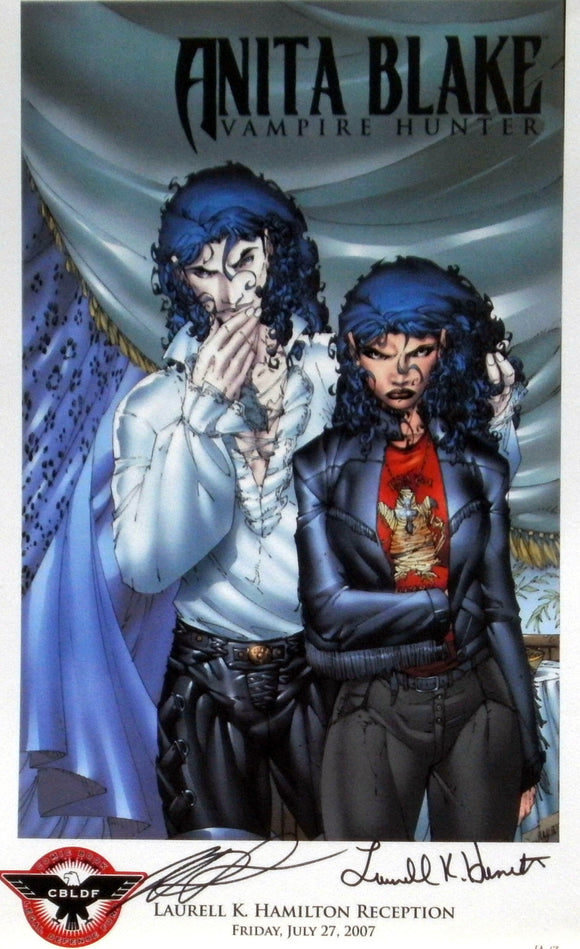
Seriously, I dare anyone to read the Anita Blake series and tell me, “Oh no, she’s not a Mary Sue.”

But one thing that has contributed to the dismissal of Mary Sues as a concept is just the fact that no two people can agree on what one is. It’s like two people trying to discuss rodents, but one of them is talking about capybaras and one is talking about rats. Furthermore, a lot of people are incorrect in their belief about what Mary Sues are, because they incorrectly believe them to all be synonymous with self-inserts, or characters with superpowers, or things like that.

The thing is, those are not definitions of a Mary Sue. There are self-inserts that are not part of some kind of personal fantasy, and there are Mary Sues who are not self-inserts. There are also Sues who have superpowers, and Sues who do not; conversely, there are many characters with superpowers who are not Sues. You could make a case, for instance, that Batman is much more of a Gary Stu than Superman is, since instead of being a part of his biological makeup, his abilities are simply that he has become the best at almost everything.

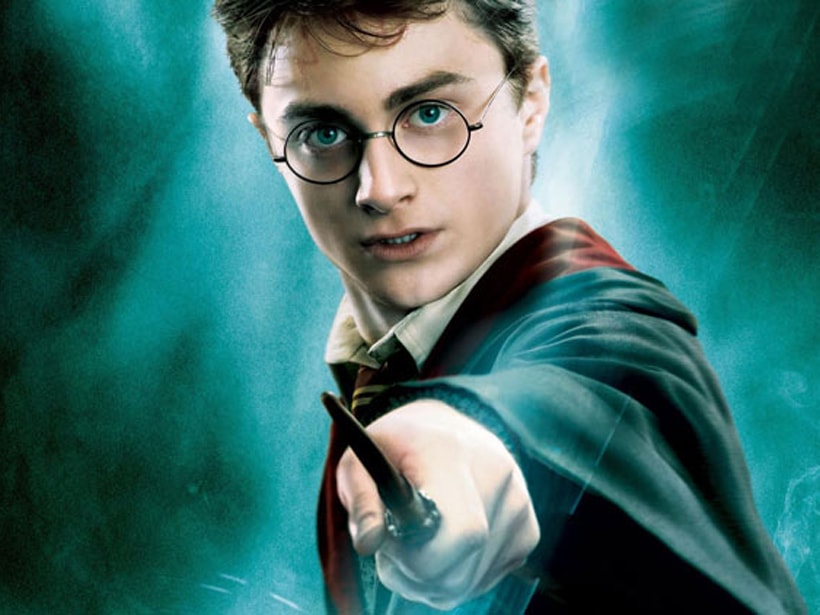
There are also gradations of Sueness. It’s not a binary thing, where all characters who qualify as Sues are Rey from Star Wars. Plenty of characters who are not really Sues or Stus have qualities associated with such characters, but because it’s low-grade, it’s easier to forgive. Harry Potter, for instance, has some Stu qualities, but I wouldn’t say overall that he is a Stu, because he is noted to be unexceptional and average in many ways, and his status as the “Chosen One” is confirmed by Dumbledore to be a matter of Voldemort creating the enemy he feared would arise rather than actually just being The Special.

However, it is possible to create a definition or description of “Mary Sue” that pretty much describes all of them, and I stumbled across one a few years ago. I think it more or less covers almost every single Sue or Stu I’ve come across, and addresses the core problems with the characters rather than the superficials like “has amazing powers” or “is extremely capable.”

That description is simply that a Mary Sue is a character who warps the universe, characters and rules of the world he/she is written into.

Let’s use Bella from Twilight as an example. Bella is a petty, selfish, hateful and rather unintelligent person, but every character around her is warped to only think of her as a selfless, glorious, brilliant figure whom everyone is either jealous of or adores. No one gets to legitimately dislike her for any of the things she does, and the universe is slanted so that she will receive everything she desires and more with minimal effort – I mean, the villains literally want her to have exactly what she wants. In addition to the characters, the universe and rules of the world around her are warped, in that she becomes the only newborn vampire to immediately gain perfect control of her thirst, so everyone can stand around marveling at how magnificent she is. The rules don’t apply to her.

And the sad thing is, a character being a Sue can be dodged very easily. All you have to do is write them as not instantly being the most well-beloved, the most improbably powerful, the one for whom the world’s rules, consequences and probability do not apply.

Take John Wick. He’s almost a Stu. He’s ridiculously skilled and practically legendary, and he spends 85% of the movie carving his way through the Russian mob. But John gets hurt, sometimes very badly. He’s forced to abide by the laws of the assassin underground. His actions have consequences. And he can’t do everything alone – he has to be rescued by Willem DeFoe sometimes, which leads to even more consequences. Furthermore, he isn’t an elegant killing machine just mowing through enemies – he almost dies in undignified ways several times, sometimes by stuff like being throttled by a piece of plastic or thrown bodily from a balcony.

So the fact that the universe and characters around John don’t bend to accommodate him is what keeps him from being a Stu. His struggles are what keep him grounded, and also what contribute to us cheering him on. The fact that he’s an elite assassin with superior skills who ultimately wins over everyone does not make him a Stu.

So that’s my perspective on Mary Sues/Gary Stus. It’s not having powers or skills or attractiveness or whatnot that decides whether a character is a Mary Sue – it’s how they bend and twist the universe around them to glorify them and give them what they want.

Again, read Anita Blake if you want proof that they exist.

TMNT: Out of the Shadows and Mikey’s Cloudcuckoolanderness

One of the many, many aspects of Teenage Mutant Ninja Turtles: Out of the Shadows that was a massive improvement on the not-very-good first film was Michelangelo. To put it bluntly, in the first movie Michelangelo came across as a budding sex offender – pretty much every single line he uttered revolved around his extremely sexual obsession with April O’Neil, often in very tonally inappropriate places. It was, to put it simply, creepy.

And yes, I know previous iterations of Michelangelo (the 1990 and 2003 versions) have asked “Can we keep her?” about April as well…. but that seemed a lot less sexual and lot more childlike.

Well, thankfully they dialed that back to a single joke line in the sequel (which he is immediately tased for), and Mikey even seems completely cool with the idea of April dating Casey Jones. Instead, he’s rewritten to be more in line with many other depictions of Michelangelo – a pop-culture-loving, skateboarding, soft-hearted sometimes-cloudcuckoolander, the most childlike and most loving of the four Turtles.

And they definitely made him a cloudcuckoolander, at least some of the time. In fact, it initially seems a little inconsistent – sometimes he’s just a little flaky and sweet, and sometimes he’s absolutely spaced out of what is going on around him and has no idea what people are talking about. Take the scene where Raph is running his master plan past April and Casey – Mikey’s only contribution is a strange, staring-eyed declaration of “You’re right,” and then he spends the entire scene eating pizza and not noticing what anyone else is saying.

And after rewatching the movie a few times, I think I’ve nailed down why. Mikey becomes a cloudcuckoolander and detaches from what is happening around him when he’s suffering some kind of emotional distress.

About halfway through the movie, Mikey overhears Leonardo and Donatello secretly discussing a purple alien goo that might be able to turn them into humans, or at least make them look human externally (the movie is little vague). Mikey then goes to Raphael and tells him everything – not because he actually wants Raphael to do anything, but because he just needs to vent his feelings. When Raphael predictably blows up and goes off to confront Leo, Mikey physically tries to stop him because he desperately doesn’t want his brothers to fight. It’s played for laughs, but his distress is very obvious.

Unsurprisingly, Leo and Raph end up angry at each other, having a fight, and eventually Leo and Donnie leave on a mission without Raph and Mikey. When Raphael rages about how he’s going to get his hands on the purple goo without Leo, Mikey… well, he agrees with Raph, but emphasizes repeatedly that he does not understand what Raph is doing.

This seems to be the first of the two situations in which Mikey goes cloudcuckoolander: strife in his family. He’s always at his best when he and his brothers are united, and when they work together, he seems fairly sharp mentally. But he seems to actively withdraw from the world around him when his brothers are fighting, because he cannot cope with it, and he cannot fix it by himself.

This also applies to taking part in Raph’s plan. Mikey goes along with Raph’s plan because… well, he’s kind of a people-pleaser. But he withdraws from the conversation when Raph is scheming behind Leo’s back, and drawing Casey and April into his plan. This is clearly not something Leo will put up with, so Mikey withdraws rather than taking an active role.

The other situation is after Raph and Mikey’s plan to infiltrate police headquarters goes boobies-up, and the brothers are all exposed to the eyes of the entire NYPD. Exposure is less upsetting to Mikey, however, than the reactions of some of the cops: they’re called “monsters” and treated with fear, horror and hate. This visibly hurts Mikey from the very moment it happens, even though it’s coming from total strangers.

When they return to the lair, Mikey reveals his hurt and misery to his father Splinter, who tries to reassure him, but obviously nothing your parents say is going to overcome rejection by the entire human race. And about a minute later, when Donatello identifies where Bebop and Rocksteady are, Mikey has become a cloudcuckoolander once again, giving a silly answer that doesn’t make any sense. Once again, he’s withdrawing from a situation that is hurting him, and only reemerges in subsequent scenes, where he and his brothers are more or less getting along and there are no non-villainous humans to hurt him.

I don’t know if this pattern was deliberately placed in the script by the writers, but it definitely does exist, and it honestly makes Mikey feel like a much more vulnerable and sweet-natured person. He just hates conflict among people he loves, and he wants to be loved and accepted for who he is rather than what he is. And who can dislike that?

All meditations on Mikey aside, I recommend Teenage Mutant Ninja Turtles: Out of the Shadows very highly. It’s not what you’d call a very good movie, or a particularly smart one, and it bungles the character of Casey Jones. But it does have a lot of love for the franchise and characters in general, and it makes you really like and feel the connection between the brothers.

And it enjoys throwing in over-the-top spectacle, such as the Turtles battling Rocksteady and Bebop on a crashing plane… using a tank. It’s wonderful. It’s just a fun popcorn movie, and no, you don’t need to have seen the first Bayverse movie to understand it.

The selfishness at the heart of Batwoman

I haven’t blogged about stuff for awhile, but I had to speak up on the subject of the CW’s laughably bad TV series, Batwoman. The shared universe formerly known as the Arrowverse is now several years past its sell-by date, and while it’s never been good exactly, it is pretty rancid by now. It didn’t help that they cast Ruby Rose as a character we’re presumably supposed to like, despite her inability to do anything but smirk.

Lately, I’ve been watching Youtuber ProcrastiTara’s reviews of Batwoman, and also keeping abreast of the news of the second season, which will be recasting the role with an entirely new character… more on that later. I’ve known for awhile that the people making this show don’t understand Batman, but I’ve recently come to the conclusion that the reason they don’t is because they’re too selfish to appreciate a character whose core is selflessness.

At the beginning of Batwoman, we’re informed that Batman’s real reason for donning the cowl and fighting crime isn’t to save others from the heartbreak that he has suffered, and it isn’t to protect the people of Gotham from evil. No, it’s because he’s edgy and he doesn’t like rules!

You see? They cannot grasp that he chose to be Batman for unselfish reasons, because the kind of people who write this sort of character are in themselves fundamentally selfish. If you have any doubts, we’re assured, at the end of the very first episode, that Kate’s reason for becoming Batwoman is because she wants “the freedom to be myself.” Her core reason for being a superhero is purely about herself, not about wanting to help others. No wonder the character is such a despicable tool.

Honestly, there is nothing heroic about a person who only does good things because they want to “be themselves.” Batman may be more fully himself when he dons the cowl than when he is Bruce Wayne, but that is NOT his motivation for doing what he does.

This was absolutely cemented by the promotional text released to publicize Batwoman 2.0, who is an entirely new character who is somehow able to be a superhero despite being a homeless drug addict with no combat training. What is this new character’s motivation? To “no longer be a victim” and “be powerful.” Again, it’s not about being good, noble and unselfish, about saving people who cannot save themselves – it’s about feeling an artificial sense of empowerment (which, let’s face it, describes pretty much all empowerment – most of the time, it’s just feeling a fake pleasant sensation, not actually changing anything or accomplishing anything).

People who are too selfish to come up with noble reasons for superheroes to do what they do should not be allowed to write/showrun for them. Period. I have zero admiration for these characters, and zero reason for cheer for them. Hopefully they’ll shoot this series in the head at the end of the second season, which they really should have done already when you consider the ratings.

Youtube Recs (Sorta) – Kay’s Cooking

I’m warning you: if you are a gourmet of any kind, turn back now. What you are about to hear about will absolutely scar you for life and probably leave you with nightmares about blackened garlic and beef swimming in lard.

Lasciate ogne speranza, voi ch’intrate.

Okay, this is not so much a recommendation for the sake of enjoyment as for horrified fascination. It’s a channel devoted to the kitchen escapades of a British woman who… does things to food. I can’t say she “cooks,” because that would be a lie. What she does is not cooking. It might be some kind of food sacrifice to an angry god of food poisoning.

Imagine this: a woman sets out to make meatballs. Rather than follow the usual procedure of combining meat, breadcrumbs, spices and herbs, some egg, maybe a little cheese… and crushing them into tight little balls… she just tears off chunks of ground beef, dunks them in a thick coating of egg, and then plunks them in the pan, where they are left to overcook until they are deteriorating gray blobs swimming in their own juices that no person who isn’t starving should consider eating.

She uses copious amounts of lard, ground beef (often boiled… go ahead and cry now), poorly-chopped onion, lots of egg, sandwich meat, and so on, usually cooked at temperatures that volcanologists say are excessive. There is no moderation here – she cooks everything to hell, literally.

She also has kitchen safety practices that make me want to die, like constantly cutting towards her own thumb. She’s going to slice off her finger someday, and on that day, I will be there to shout “I told you so!”

I do have to warn you: I am not 100% sure that she is not just trolling everyone. A few of her video titles sound suspiciously like she is, and it’s kind of hard to believe that a woman in the late 2010s with Internet access couldn’t find good recipes online. Either she can’t/won’t follow recipes, or she’s cooking badly purposely, for the entertainment of the masses. I honestly do not know. If she is trolling, then her son is a master actor, though, because he voluntarily eats just about everything she cooks without flinching.

I do want to mention that I have seen people online arguing that there’s a class element to her food, and that the cheaper ingredients point to a low income in Britain’s lower classes. Therefore, they say, we should not judge her cooking so harshly.

I… disagree. The inexpensive ingredients she uses are not the problem; many good meals could be made from them by a person of any class who knows what they’re doing. It’s the handling of the ingredients that is hideously, insanely wrong, in a manner that – again – could exist in any class or economic level. You could give her Gordon Ramsay’s kitchen and pantry, and everything she cooked would still be deeply, fundamentally WRONG.

Speaking of Ramsay, he would probably have a stroke and die if he saw these videos, so nobody send them to him.

One thing that baffles me is when she was trying to make a Big Mac, and she argued that the different size and shape of the “patties” was because “they have machines” at McDonald’s. I don’t know how they do it at McDonald’s (I assume that Satanic magic and dead rodents are involved), but I’ve worked at a Five Guys, and we made every single burger patty by hand, and they were not giant round lumps of loose meat swimming in lard and falling apart.

Anyway, the only thing more wonderful than these food snuff films are the commentary channels offering their viewpoints on Kay’s Cooking. So by all means, check them out.

Review: Lord of the Rings by J.R.R. Tolkien

Though Tolkien was not the first or most critically-acclaimed fantasy writer, he remains the most beloved and influential, even though “Lord of the Rings” is decades old. And though the genre has spread and grown in directions that Tolkien could never have imagined, “The Lord of the Rings” has a unique power and prestige that few other works can rival. It quietly created the fantasy genre as we know it, set the tone for most fantasy ever since, topped many “best book” polls, and helped spawn such entertainment phenomena as “Star Wars.”

Following up on events in “The Hobbit,” “The Fellowship of the Ring” stars the quiet, good-natured hobbit Frodo Baggins, who has inherited a golden Ring that allows its user to become invisible. But his friend, Gandalf the wizard, informs Frodo that the Ring is really the Ring of Power, a tiny invulnerable token that the demonic Dark Lord Sauron has poured his essence and power into. And if Sauron can regain the Ring, he will be able to conquer Middle-Earth. Aghast, Frodo joins a fellowship of Elves, Dwarves, Hobbits, Men and a wizard, to go to the one place where the Ring can be destroyed: Mount Doom.

“The Two Towers” begins directly after “Fellowship,” after Frodo Baggins flees with his friend Sam into Mordor, with no one to protect them. His cousins Merry and Pippin are kidnapped by orcs from the renegade wizard Saruman. Aragorn, Legolas and Gimli begin a frenetic search for the hobbits, and receive unexpected help from unlikely allies. Meanwhile, the Ring weighs more heavily on Frodo, as he is forced to get help from one of the people he most despised: the Ring’s slave Gollum.

“Return of the King” brings the trilogy to an action-packed, slam-bang and ultimately poignant finale. Sam barely rescues Frodo from Sauron’s orcs, and the two resume their journey to Mount Doom, barely escaping Sauron’s forces. As Aragorn leads the desperate battle against Sauron’s armies at the city of Minas Tirith, Frodo falls increasingly under the seductive spell of the Ring.

“Lord of the Rings” is indeed a powerful book, speaking to virtually everyone who has read it. J.R.R. Tolkien drew from legends and myths, ranging from the ancient Norse mythology to more recent legends, mingled with his love of the British country folk and his Roman Catholic beliefs. Though there are no direct linkages or lessons in the trilogy, Tolkien probably drew on his experiences in World War I for the ravaged battlefields and breakneck action sequences. His beliefs are equally misty but present: they fueled the ethics of the good guys, the fall of formerly-good wizard Saruman, and the themes of temptation, redemption, evil and good that run through every character.

Frodo Baggins is an everyman hero, who dreams of adventure but begins to treasure the simple, boring life that he had once he is deprived of it. His deteriotation is saddening, all the more so because he is aware of it. Sam Gamgee is his loyal gardener, a shy young hobbit who grows in confidence and courage. Gandalf is the quintessential wizard — crabby, kindly, powerful, with a hidden unique streak that elevates him over the usual. Merry and Pippin start out a bit flaky, but are matured by their harrowing experiences. Aragorn is noble, kind, kingly, and intelligent, but with darker streaks in his personality that make him ultimately human. Legolas the elf and Gimli the dwarf initially grate on each other, but overcome their prejudices to become close friends.

And it has an ever-expanding circle of likable, well-developed characters, such as the warrior-woman Eowyn, who struggles against devastating depression and the restrictions put on her by her gender, the kindly and slow-moving Treebeard, and many of the people of Rohan and Gondor.

Tolkien’s writing is evocative and descriptive, though not to extremes; Mordor, for example, is best described through the way that Sam and Frodo react to it. The dialogue can range from goofy and hilarious (Legolas and Gimli have a very funny competition to see who can kill more orcs) to solemn and archaic, or to some combination of the two. And the pacing is gradual but necessary — readers with short attention spans won’t be able to handle this story. If they can handle sprawling, epic tales, then probably they can.

Even after all the years, J.R.R. Tolkien’s “Lord of the Rings” still rules the fantasy genre and has become an integral part of modern literature. It’s an epic for all ages, and few books have even come close to equalling it.

Recommendation: Avengers: Earth’s Mightiest Heroes

The Avengers film series is about as mainstream as you can get today – I could argue that Avengers: Endgame was one of the most anticipated movies of all time.

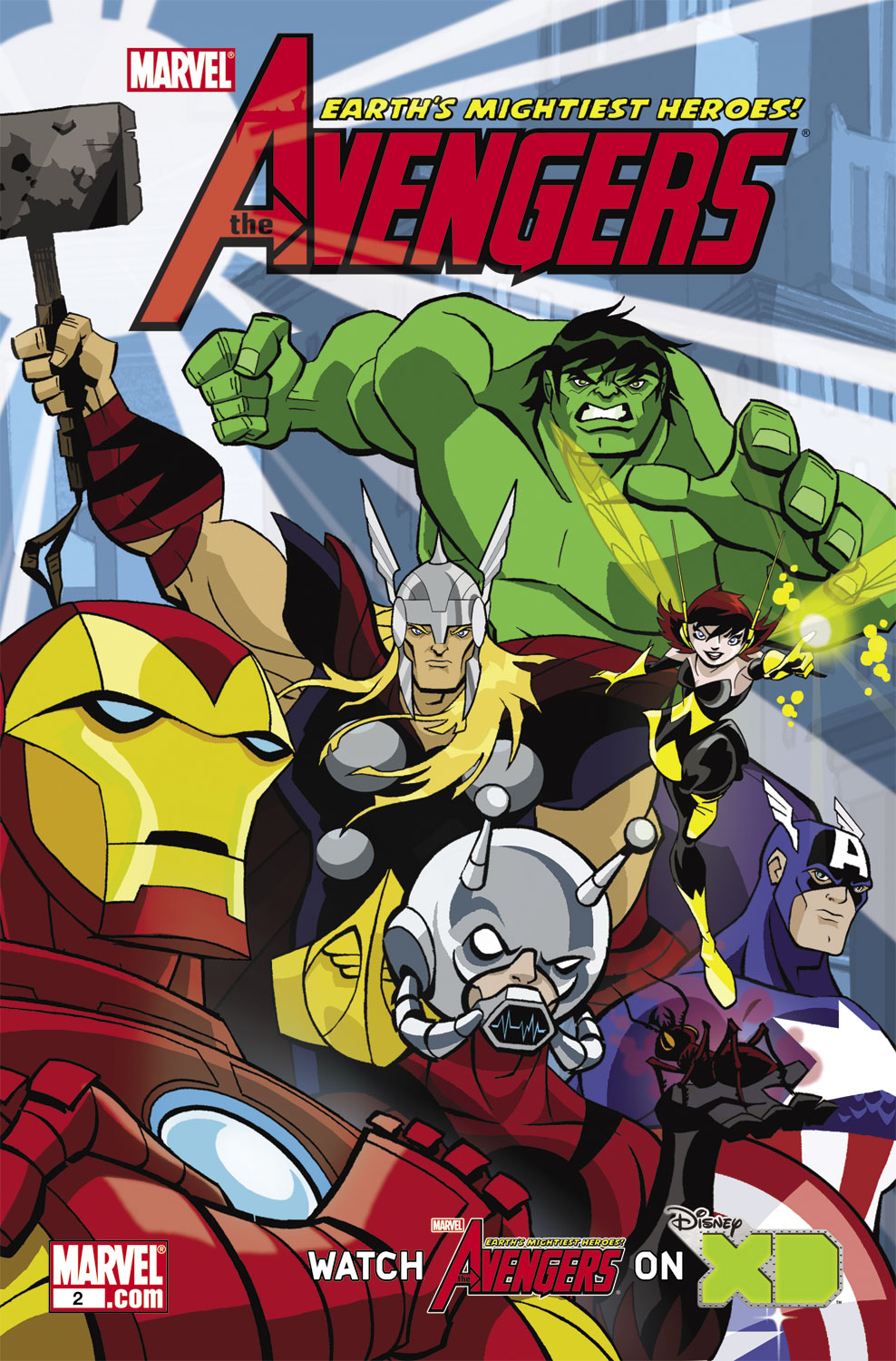
But back in 2010 the MCU was just getting started, and at that time, we got the best Avengers show – and possibly one of the best Marvel shows – to date: Avengers: Earth’s Mightiest Heroes. While it has some obvious influence from the recent Iron Man movies, this is mostly doing its own interpretation of Marvel’s comics, and it is glorious. It also has one of the most wonderful theme songs of all time. If you don’t believe me, google “avengers fight as one” and check out the music videos people have made.

But aside from the awesomeness of “Fight As One,” this show is amazing. Part of what makes it amazing is that… it isn’t strictly a kids’ show. It’s more a piece of superhero media that happens to be appropriate for children, but it’s serious and intricate enough that adults will probably enjoy it just as much.

The first half of the first season is pretty much about bringing the team together “as one.” You’ve got Tony already established as Iron Man, since the Iron Man movies had already put him in the public consciousness. But it gradually introduces us to The Hulk, Hawkeye, Ant-Man and the Wasp, Black Widow (who is a recurring ally/enemy rather than a full-on Avenger), Captain America, Thor, and sometimes Black Panther.

And for big Marvel buffs, it does indeed have characters that Marvel didn’t have the movie rights to in 2010, like the Fantastic 4, Wolverine, Spiderman, etc, as well as less prominent Marvel characters like Iron Fist and Power Man/Luke Cage, who are absolutely wonderful and deserved their own spinoff show. And it had the Guardians of the Galaxy before that group became big, as well as now-established characters like Vision and Miss Marvel (now known as Captain Marvel, and much more likable and relatable than in the live-action film).

Anyway, after a supervillain nearly destroys New York, Tony Stark decides to assemble the Avengers, a team that can recapture the 75 superpowered bad guys who have just escaped from SHIELD. So they all move into his urban mansion, and have some personal friction with each other. Just because they’re heroes doesn’t mean they all get along at first – the Hulk is grumpy and a little paranoid, Cap and Tony have differing ideas about technology and what’s important, Ant-Man despises Tony because he fights instead of rehabilitating criminals, and Hawkeye is a little pissed at SHIELD because he was framed.

But those rough edges, that friction, those personality quirks are what make the characters feel so likable and real. They’re not perfect, but they are likable, relatable and heroic. When they’re hanging out, or having conflicts, or making jokes, it really feels like they’re reluctant but fast friends.

The story arcs that follow include a lot of really fascinating conflicts, like a time-warping conflict with Kang the Conqueror, a gamma dome that mutates everyone inside it, invasion by the Kree, the Masters of Evil, the murderous android Ultron, a trip to Thor’s home realm of Asgard, etc. The second season has an overarching conflict with the Skrulls, who sow confusion and mistrust among Earth’s mightiest heroes and make things a lot more difficult for them, both amongst each other and towards the world.

Sadly, Earth’s Mightiest Heroes ran for only two seasons, when it was clearly laying out plotlines and groundwork for much more. Apparently Disney didn’t want a story with good writing, intelligence, all-ages appeal, great stylized animation and well-developed characters, so they gave us the bland, simplistic, messy and juvenile Avengers Assemble instead. Bleah.

So yeah, if you can find this series, definitely watch it. It’s packed with plot, excellent writing, and it’s as rewarding a watch for adults as for kids.

YouTube Recs – Ordinary Sausage

Let’s sausage!

I love sausages. Make your sex puns now, get them out of the way. I will try all sorts of sausages, with all kinds of fillings, though my favorite is and remains Italian hot sausages.

Which brings me to Ordinary Sausage, one of the oddest and yet most hypnotic channels you will find on Youtube. It belongs to a very odd man who sounds like Peter Griffin, and who owns a meat grinder and a sausage maker. With that meat grinder and sausage maker, he endeavors to create sausages both divine and satanic, sausages that no sane mind would ever think of.

Sometimes he makes sausages out of various animal organs. Sometimes he makes them out of liquids. Or full meals from restaurants. Or just things like lobster or candy corn that don’t belong in a sausage casing, yet somehow end up in there.

And yes, the water sausage, which actually went viral. Why that one? I don’t know.

I find water sausage and air sausage and ice sausage to be the least interesting videos he’s done, because… you know what they taste like. There’s no suspense, no mystery. As opposed to, “What will a Slim Jim sausage taste like? Or a candy apple sausage?” where you really do not know what the answer will be.

And these videos are, to put it simply, quirky. It would be pretty dull if he just ground up ingredients and put them in a sausage, but he has funny running gags, rants, visual embellishments, songs, and of course sometimes his grinder just gives up and stops working right because he fed it nuts or a fish skeleton.

Once I found this man’s channel, I spent the next few hours watching every sausage tutorial he had. Hopefully you’ll do the same.

LET’S SAUSAGE!

Why Mulan 2020 Sucks: Brains Vs. Brawn

Disney is pretty much the Empire from Star Wars at this point, only with less creativity. Right now their main exports, aside from Marvel movies, are terrible adaptations of classic books (Artemis Fowl, A Wrinkle In Time) and terrible live-action remakes of their classic movies that completely miss the point of why the originals were good.

But of all the bad live-action remakes, the remake of Mulan might be the worst. This is a movie that people were divided about before it even came out, mainly because it was eliminating the characters of Mushu and sorta-bisexual icon Li Shang. But others wanted to see it succeed because it was supposedly a more “faithful” and culturally-accurate version of the Mulan legend. More on that later.

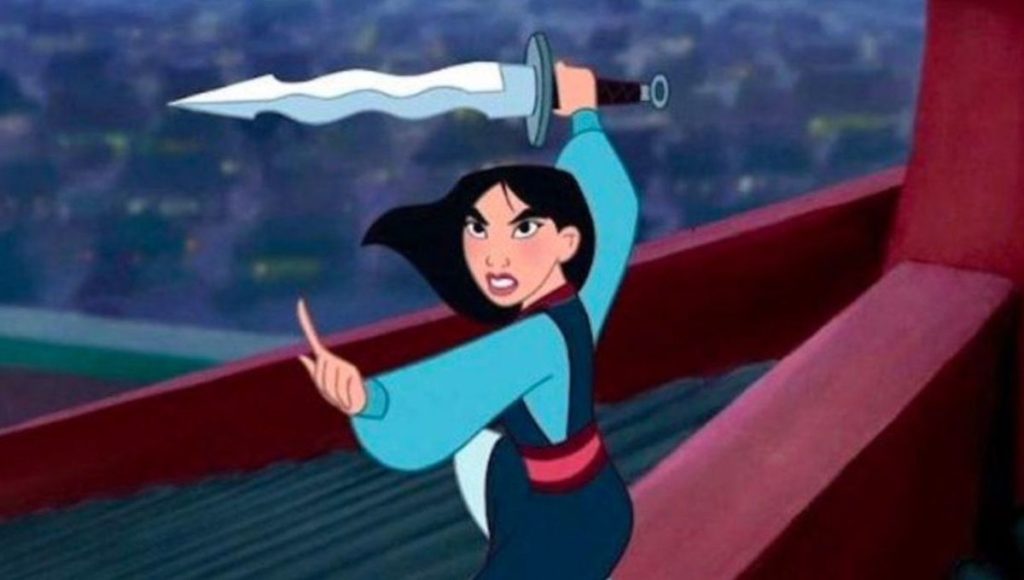
Then it came out, and it was… amazing. Amazingly bad. It managed to miss everything about what made the 1998 animated film work as a story, and as a feminist work. One of the biggest problems was that it turned Mulan from a relatable, ordinary girl with immense willpower and strategic thinking… into a Strong Female Character with ubermensch powers who can do anything. She became Asian Rey.

And one of the worst aspects of this change is that the movie devalues female intelligence. The original (meaning the 1998 film) gave Mulan a story arc that emphasized her fierce intelligence as well as her fighting ability. It’s clear in the film that she is not going to be able to rely on her strength alone, because… she’s a woman in an army full of men, and men are, in general, physically stronger than women.

So instead, we are shown that Mulan compensates with her brains – her ability to figure out a way to the top of the pole, turning her disadvantages into advantages; her clever triggering of an avalanche; her use of her combat skills in unconventional ways to defeat her enemies, and so on. From the earliest scenes of the movie, we are shown that Mulan is a problem-solver, a quick thinker, and a strategist. This – along with her courage and determination – is ultimately what leads her to glory, not her brute strength.

Hmm, a realistic yet uplifting message for young girls, about how they can use their intelligence to stand as equals to men? How can we ruin this?

Why, make it so that Mulan succeeds through brute strength, of course! No need for that silly intelligence to succeed and become a legendary warrior. Mulan 2020, instead of featuring Mulan using her intellect to reach the top of that pole and retrieve the arrow, has her just floating up the mountainside with a bucket of water on each arm. She’s unbothered by the physical weights that are causing the mere mortal men to flop on the ground and cry, because she’s superior to them. Yay, brute strength! Who needs intelligence and problem-solving abilities?

And of course, they take one of Mulan’s greatest triumphs from her, namely her use of an avalanche to wipe out the enemy army. A great moment that highlights that brains can beat brute strength, and gives a female character a win that her male friends could not.

So what do they do? Well, the avalanche is no longer a deliberate act triggered by Mulan. Instead, it’s a dumb accident caused by the bad guys… because their aim is bad. Something Mulan did NOT engineer deliberately, and had no way of knowing would happen, and thus cannot be credited for because there’s zero indication that she intended it to happen that way.

They took away the female lead’s biggest strategic achievement.

In fact… Mulan is kind of stupid in this movie. At no point does she show any strategic skills or problem-solving abilities. Even her father’s demand that she hide her chi (groan) isn’t handled logically – she shows off her ubermensch abilities at the matchmaker’s, but later she chides herself for not hiding her chi… while disguised as a man. And she’s too dumb to realize that if chi is supposedly a male-only thing (groan) then she can use it openly while masquerading as a man.

And this lack of respect for intelligence even seeps into the ending. In the 1998 movie, the offer from the Emperor is that he wants her to be his advisor. He wants her to be a PROFESSIONAL smart person who will help him govern China wisely. In the live action film? He offers her a job as a personal guard. No smarts needed, just chi and a sword.

So yes… in the name of female empowerment, they made a smart, capable, likable heroine who proved that you don’t need brute strength to be successful…. into a bimbo who uses brute strength.

Bravo, Disney.

Good things about “Man of Steel”

Man of Steel is a movie that was divisive when it first came out, mainly because the infamous scenes in which Jonathan Kent tells his adopted son Clark that he “maybe” should have left a bunch of other kids to drown, and later lets himself die when Clark could have saved him because people were watching. I suspect the point of the scenes was to suggest that Jonathan loves his son so much that he wants to keep him safe at all costs, but the execution was faulty.

Oh, and the Superman killing Zod thing, which wasn’t necessarily bad (yo, fanboys, Superman HAS killed Zod before. Remember Superman II? Because Supes killed Zod in that movie, and he didn’t even seem to feel bad), but which they kind of undermined by having him joking and messing around in the very next scene.

And yes, I have my issues with the movie. For instance, it drives me insane that they call that skull fragment a “codex.” It’s not a codex. A codex is literally a bound book. Don’t call things what they aren’t, Zack!

Pictured: Not A Codex

But the opinions really started going against the film when Zack Snyder produced the follow-up, Batman V. Superman, which had a lot of weird attempts to deconstruct DC’s classic heroes by having them all either be psychopaths or really reluctant to be superheroes. Retroactively, Man of Steel became the “bad” Superman movie (even though I’d argue that artistically in direction, writing and overall acting, it’s superior to most of the other Superman films — certainly Superman 3 and 4, and Superman Returns).

But honestly? It’s actually a pretty good movie. Yes, it has Zack Snyder’s tendency to overthink things and subvert iconic figures, but the movie does treat Superman as a truly inspiring figure who makes the world better with his presence. And while it is a slow build, it does provide a lot of interesting ideas that add to Superman’s mythos.

For instance, I really like the idea that Clark Kent had to essentially grow into his powers, and develop discipline in his use of them. After all, having the superpowered senses… isn’t entirely natural. Had he lived his life on Krypton, he never would have had them. So we see him struggling to cope with senses going haywire in seemingly ordinary circumstances, such as rushing into a closet to hide from the stimuli, like an autistic child who is getting overwhelmed.

Or how about his anger? I’ve seen people complain about the scene where Clark essentially crucifies a guy’s truck, that it was stupid of him to do that. But… think about it. Clark Kent is a guy who has never been able to express his anger when people treat him badly. He’s been treated as a freak, a weirdo, a victim, and lived his life in fear of others. He has never once fought back, no matter what, because he knows his strength would kill anyone he attacked. This is the only way he can express his anger, and he’s probably bottled up a lot, especially if he blamed himself for his father’s death.

This is something that not many Superman stories address. Clark Kent/Kal-El may be an alien, but his heart is very human. He can be angry. He’s allowed to feel anger. Anyone who is mistreated will feel anger. And yet, we see him as someone whose dedication to not hurting others leads him to stand there and take the abuse rather than exerting his power.

In a sense, it’s part of his arc, because we see him freed from his anger and misery when he finally discovers who he truly is. After Jor-El gives him his pep talk, Clark/Kal-El seems newly at-peace and happy for the first time.

Which brings me to another thing I like: Supes’ first flight. It’s not so much the animation of the flying itself, which is… you know, it’s good. What I like is Clark’s reaction to flying for the first time — we see him laughing giddily with exhilaration, like a child who has just learned how to do something. It’s really very adorable.

This is more a personal like than an objective point, but I also really liked the design work for the Kryptonian clothing and ships — they gave the feeling of immense complexity and technological advancement that had fallen into decadence and decay.

I’m not going to go into a full-length pros-and-cons analysis of Man of Steel — not right now, anyway — but I wanted to note the things that were, in my opinion, good from a storytelling perspective and a character development perspective.

I feel like a lot of the reactions to Clark’s development in Man of Steel is based on this idea that Superman is perfect, and wouldn’t experience doubts or anger or whatever. And that’s not really conducive to good storytelling. I’m not saying that pure-hearted, noble characters cannot exist and should be subverted whenever possible, because that is not the case. But you can have pure-hearted, noble characters make mistakes and struggle. It doesn’t make them any less good.

A good example is Captain America in the movie Civil War. The climactic battle is sparked off when it’s revealed that Bucky killed Tony’s parents many years ago, and — more hurtful to Tony — Cap knew about it and did not tell him. This is not done out of malice, but because Cap feared what Tony’s reaction would be, especially since Bucky was brainwashed at the time the murders took place.

So do we see Cap as less of a noble, pure-hearted figure because he did that? No, for two reasons:

  1. It was essentially a mistake, and a mistake that any one of us might make, because it’s in kind of a moral grey area. Should you reveal all and risk someone doing something terrible for revenge on an innocent person, or should you keep an important secret from someone who has a right to know? I don’t think there’s a clear-cut “right” answer.
  2. He apologizes. He admits wholeheartedly that he was completely in the wrong and he does not make any excuses.

And that’s kind of how I see Superman in Man of Steel. He’s noble and pure of heart, but it doesn’t mean he’s devoid of internal struggle and personal flaws. A person can inspire hope and be a hero while still stumbling and getting back up again.

At the very least, Man of Steel should be commended for at least trying some angles that previous adaptations hadn’t, and trying to think about how it would be to grow up with superhuman powers. I do not wholly embrace Zack Snyder’s approach to superheroes, except maybe in Watchmen, but I don’t believe his depiction of Superman is a failure either.