Review: The Return of the King by J.R.R. Tolkien

Middle Earth is on the verge of falling, and Sauron’s vast armies are about to swarm mankind’s last defenses. Only two things can save the world: a lost king returns to his throne, and a little hobbit makes it to Mount Doom.

So needless to say, there’s a lot of tension in “The Return of the King,” the final installment in J.R.R. Tolkien’s epic fantasy Lord of the Rings trilogy. Tolkien builds up the inevitable clash between good and evil in the form of a final apocalyptic war for Middle-Earth – and rather than cheaping out with “and then they all lived happily ever after,” twines in the bittersweet edge of a man who had seen war and evil.

Gandalf and Pippin ride to the city of Minas Tirith, which is about to be attacked by the force of Mordor – and to make things worse, the steward who rules Gondor is going nuts. Merry finds himself in the service to King Theoden of Rohan, where his determination to follow his lord into battle leads him into a terrifying confrontation. And Aragorn is seeking out allies to fight Sauron on a military scale, even if they can’t defeat him unless the Ring is destroyed. His search will take him to tribes of forest-dwellers, to Gondor — and even to summon an army of the dead.

In Mordor, the unconscious Frodo has been captured by Sauron’s orcs, and taken to the fortress of Cirith Ungol. Sam is desperate to free his friend, but knows that he can’t take on an army, and that Frodo would want him to finish the quest. Sam manages to free Frodo from captivity, but they must still brave more dangers before they can come to Mount Doom, the only place where the Ring can be destroyed. As they travel Sam sees Frodo slipping further and further into the Ring’s grasp. Will Frodo be able to destroy the Ring, or will Middle-Earth be lost?

“The Return of the King” is an impressive juggling act, with Tolkien keeping different subplots and character arcs constantly moving around and alongside each other. And as he did in “The Two Towers,” he further expands the world of Middle-Earth, both by introducing new civilizations and by expanding on the rich history that we get only a slight taste of (the undead army that serves Aragorn).

And in this story, we get some gloriously memorable scenes (Eowyn’s stand against the Witch-King, Sam charging into an orc citadel) intertwined with ones that show Tolkien’s love of the little people who occupy his world (Pippin making friends in Minas Tirith). His writing becomes a bit too exalted in places, especially after the war, but in other places it’s rich and compellingly beautiful.

“The Return of the King” is also the grimmest of the three books in this trilogy. Frodo and Sam are stuck in the vividly horrific Mordor, while the city of Minas Tirith is on the verge of completely crumbling. Tolkien does a phenomenal job of exploring the madness, despair, rage and sorrow that accompany a war, and the way it can affect even the idyllic Shire. And he doesn’t forget the slow period of healing that follows – for people, for civilizations, and even for nature.

And the ending has a feeling of finality; Tolkien shows that in a war like this, there is no true “happy ending.” Even if the good guys win, there will still be scarring, and death, and haunting memories of what once happened. And even if a person survives, he will never be the same.

Frodo Baggins is almost unrecognizable in this book – the bright, naive young hobbit has been worn down to a pale shadow of himself, increasingly consumed by the Ring until he threatens his best friend with a dagger. In contrast, Sam has come into his own, showing his own brand of quiet heroism and strength as he does his best to help Frodo get to Mount Doom, even though he’s increasingly sure that they won’t be coming back.

And the supporting characters are not neglected either, with the younger hobbits being exposed to the horrors of war, Aragorn breaking fully into his role as the future king of Gondor, and Legolas and Gimli continuing to be absolutely delightful. One particular standout is passionate war-maiden Eowyn, whose complicated battle with depression and ambition is handled with far more sensitivity than anyone would expect of a book from the 1950s.

It’s difficult, once the story has finished, to accept that one has to say goodbye to Middle-Earth and its enchanting inhabitants. But as Gandalf says, “I will not say: do not weep; for not all tears are an evil.”

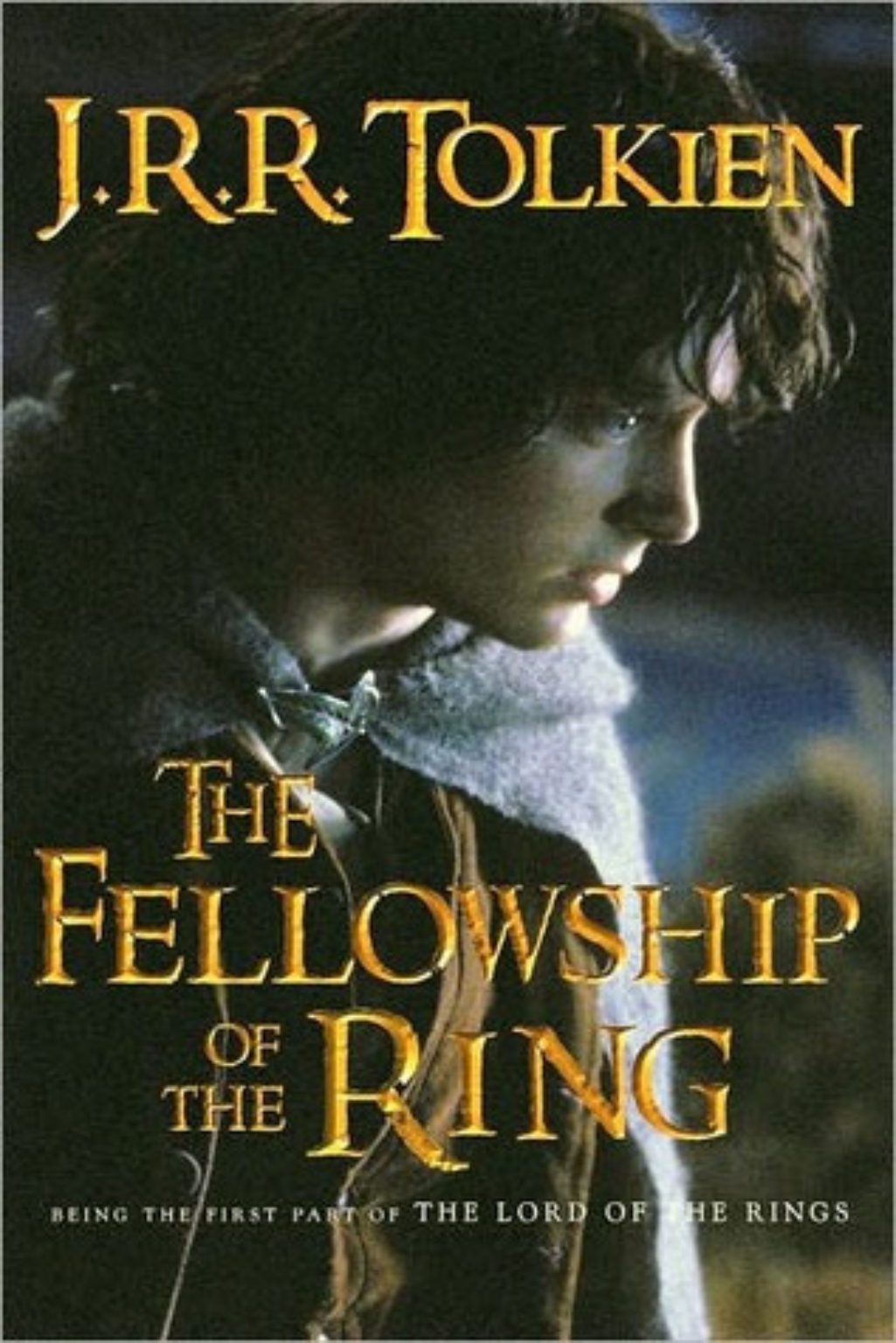
Review: The Two Towers by J.R.R. Tolkien

The ending of “The Fellowship of the Ring” left our heroes teetering on the edge of disaster, and the titular fellowship fractured into pieces.

And the narrative itself reflects this in “The Two Towers,” the second volume of J.R.R. Tolkien’s Lord of the Rings trilogy. The story splits into two or three subplots that follow different people from the fellowship, even as new characters and locations are introduced, and the plot focus widens to show the effects of Sauron and Saruman’s tyranny on all of Middle-Earth.

Aragorn, Gimli and Legolas discover that Merry and Pippin have been abducted by orcs, rather than killed, and they set off in pursuit to rescue the two hapless hobbits. But their travels bring them to the land of Rohan, a country ravaged by orc attacks and ruled by a king under an evil spell… and also brings them back in contact with a dear friend whom they had thought was lost forever. Before they can help the hobbits, they’ll need to save Rohan from Saruman’s malevolence.

Merry and Pippin? Well, they have to use all their wits – and quite a bit of luck – to escape the orcs, and find themselves with a strange collection of tree-like allies who might be willing to help them out. If they can get themselves moving, that is.

Meanwhile, Frodo and Sam head into the evil land of Mordor, being shadowed by the last person they wanted to see – Gollum, the former bearer of the Ring. Frodo manages to turn Gollum into their personal guide to Mordor, despite Sam’s belief that the mentally unstable addict might not be trustworthy. The Ring is weighing more heavily than ever on Frodo, and is starting to reassert its old sway on Gollum.

One of the most noticeable changes in this book is the shift of focus. “Fellowship” was Frodo-centric, since the narration revolved around him, as did all the events and thoughts. But with the breaking of the Fellowship, the narration falls into three categories: Frodo and Sam; Merry and Pippin; Aragorn, Legolas and Gimli. This triple style allows individuals to shine more brightly, when they are called on to do more than hike with Frodo.

Tolkien also expands our view of Middle Earth, bringing us into the Anglo-Saxon-like kingdom of Rohan and the Sauron-ravaged land of Gondor, and showing us the effects of Sauron’s war. The effects on ordinary humans, on the environment, and on the countries unlucky enough to attract the attention of Dark Lords and evil wizards. And we finally get to Mordor, a toxic wasteland crawling with enemies, Nazgul and giant many-legged nightmares.

Needless to say, the story is a lot darker than the first book, especially as it explores the corrosive effect the Ring has on people’s souls. Characters die or are seriously wounded, and one disturbing scene has Pippin’s mind entrapped and tortured by Sauron. But Tolkien weaves in some levity from time to time, such as Gandalf joking when he hears Saruman throttling Grima Wormtongue, or when Sam debates with Gollum about whether they should cook the rabbits.

And the characters are fleshed out in more detail here, particularly Frodo Baggins. His strength and spirit are still there, but he becomes sadder and more introspective as the Ring begins to take hold of his mind and heart. At the same time, we also glimpse the kind of king that Aragorn is capable of being, if he can only get to his throne. Tolkien also introduces an array of new characters to the cast, such as the noble king Theoden and his lonely, desperately-unhappy niece Eowyn.

But where Tolkien really outdid himself is Gollum. Gollum returns, in a substantially different state. Oh, he’s still addled and addicted to the Ring, but he displays a dual love/loathing for the Ring, a weird affection for Frodo (who, from his point of view, is probably the only person who has been kind to him), and displays a Ring-induced dissociative identity disorder. Very rarely can bad guys elicit the sort of loathing and pity from the reader that Gollum does.

One noticeable aspect of this book is friendship. When the Fellowship sets out from Rivendell, virtually everyone is a stranger, with the exception of the hobbits. However, in this book we get our view of how much Sam loves Frodo and wants to help him. Sam is fully aware of how much Frodo needs emotional support, and he’s quite willing to be a pillar of strength for his friend. We see Gimli and Legolas’s affection for Merry and Pippin; and Legolas’s willingness to kill Eomer if Eomer hurts Gimli shows how far this Elf and Dwarf have come.

The middle volume of the Lord of the Rings trilogy is complex and well-plotted, expanding Tolkien’s fictional world in every direction. And like the first book, “The Two Towers” will leave you desperately grasping for the next book.

Review: The Fellowship of the Ring by J.R.R. Tolkien

There are books that are popular, books that are well-regarded… and then there are books that reshape the very fabric of literature.

J.R.R. Tolkien’s classic “Lord of the Rings” trilogy is in the third category. And while “The Fellowship of the Ring” starts off with the homey pastoral quirkiness from “The Hobbit,” it doesn’t take long for Tolkien to charge into a gripping, sometimes chilling adventure story about the nature of evil and the strength of a little hobbit to defeat it.

We open some sixty years after the events of “The Hobbit” – Bilbo Baggins is older, not much wiser, substantially wealthier, and quite eccentric (one not-so-affectionate nickname is “Mad Baggins”). He has also adopted his bright young cousin Frodo, who was orphaned at a young age and had led a rather fractured life since then. On his 111th birthday, Bilbo suddenly vanishes, leaving behind all his possessions to Frodo — including the golden ring that allows its wearer to become invisible.

Seventeen years later, Gandalf the wizard shows up again on Frodo’s doorstep, and informs the young hobbit that his ring is in fact the One Ring of the Dark Lord Sauron. It inevitably corrupts those who have it, and most of Sauron’s power is invested in it. Trying to deflect danger from the Shire, Frodo leaves with his best friend Sam and his loyal cousins Merry and Pippin. But Frodo has only the slightest idea of the hideous and dangerous journey ahead of him, that will take him across Middle-Earth to the evil land of Mordor.

Many fantasy cliches were spawned from this book, although obviously they weren’t cliches when Tolkien used them. Orcs, elves, dwarves, halflings, sprawling medieval kingdoms, dethroned kings, gray-bearded wizards and evil Dark Lords. But no one will feel that these are stale; on the contrary, they feel fresh and unused, because that is what they were when the book was first penned.

Narrative-wise, this book begins on much the same note as “The Hobbit”: it’s lighter and more cheerful, since it opens in the Shire. But darker undertones begin to crop up in the very first chapter, when Bilbo begins clutching at the Ring and speaking in a Gollum-like manner. The pace is pretty slow and gradual until the hobbits reach Bree, at which point it becomes darker, faster and harsher in tone and pace. The matter in it also becomes more mature, particularly in the chilling scenes after Frodo is stabbed by a Nazgul.

One of the things that Tolkien did exceptionally well is atmosphere. With a minimum of words, he conveys the menace of the Black Riders, the beauty of the Elves, the decay of the ancient kingdom of Moria, the mystery of such characters as Aragorn. In some areas, he deliberately didn’t elaborate on the such things as the Balrog, leaving the visualization up to the readers. Another strong point is a sense of epic proportions. Too often a fantasy writer TRIES to write an epic, at the expense of individual character development. Tolkien managed to balance both of them, by focusing on the individuals in the center of epic struggles.

Frodo himself is the quintessential “little guy” hero, one of the last people whom you’d expect to be on a mission to save the world. He’s prone to moods of either cheerfulness or sadness, a little immature and bored at the beginning, but incredibly brave and stout-hearted when the pressure is put on him. He has no astounding destiny or special powers to help him. He’s simply an ordinary person.

We also have Gandalf, who is fleshed out from the pleasantly crabby wizard of “Hobbit” — we see more of his hidden sides and powers here. And Frodo is surrounded by a well-rounded cast of characters, including his loyal gardener Sam and his charmingly sneaky cousins, as well as a rich fellowship of ethereal Elves, mysterious men and doughty dwarves.

Tolkien spins a spellbinding tale, rich in lore and heavy with atmosphere, and the biggest problem with “The Fellowship of the Ring” is that it ends, leaving you scrabbling for “The Two Towers.” A must-read for fantasy buffs.

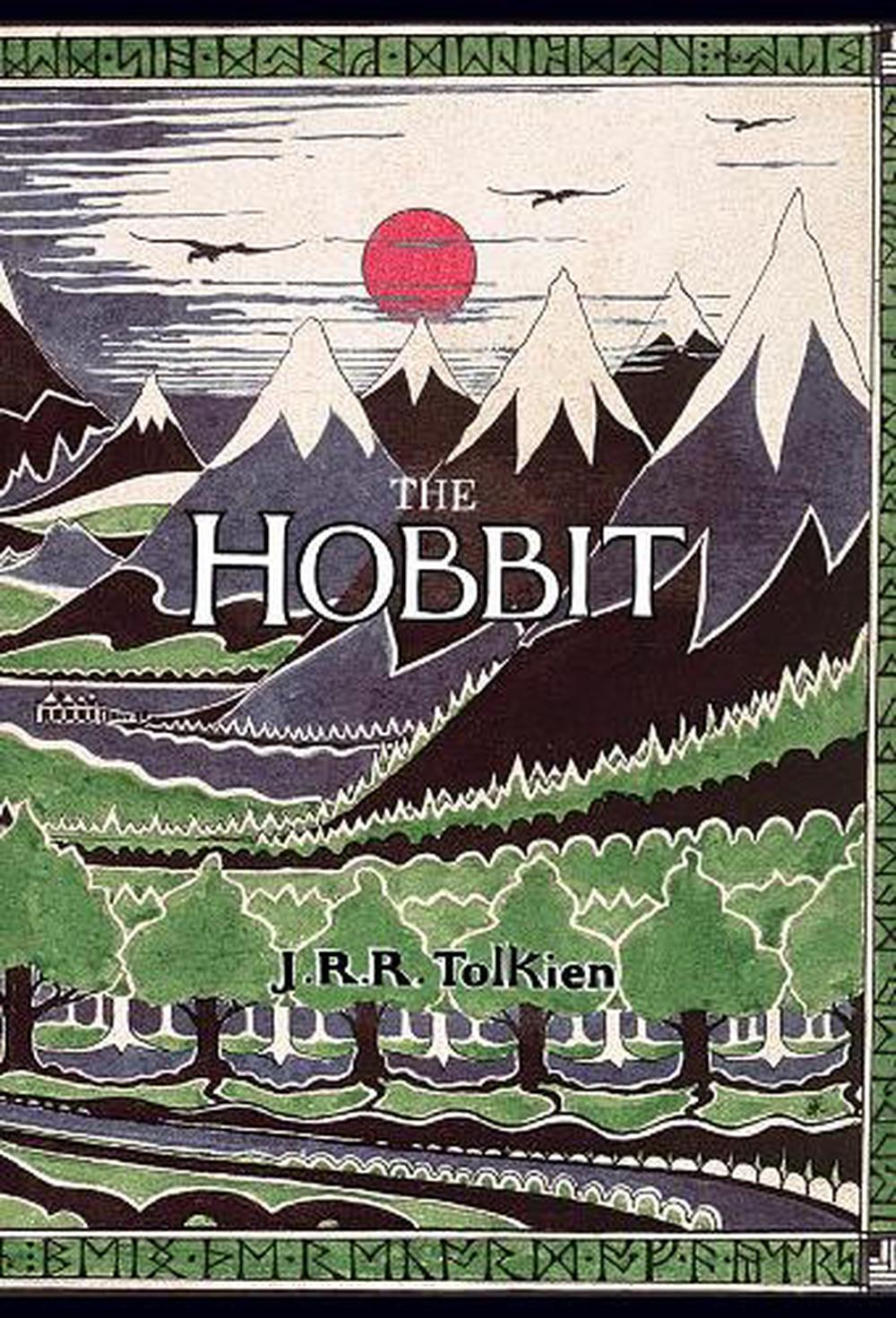
Review: The Hobbit by J.R.R. Tolkien

“In a hole in the ground, there lived a hobbit.” J.R.R. Tolkien first scribbled down the opening line of this book on an extra sheet of paper.

And years before “Lord of the Rings” was seen by anyone outside Tolkien’s circle, Middle Earth was first introduced to readers. “The Hobbit” is simpler and less epic than the trilogy that followed it, but Tolkien’s brilliant writing, magical world and pleasantly stodgy hero bring a special life to this early fantasy classic. And with the first “Hobbit” movie coming out in a few months, it deserves revisiting.

Bilbo Baggins lives a pleasantly stodgy and dull life, in a luxurious hobbit hole under a hill (“it was a hobbit hole, and that means comfort”). He’s the picture of dull respectability. But his life is turned upside-down by the arrival of the wizard Gandalf and thirteen dwarves, led by the exiled king-in-waiting Thorin Oakenshield. They want to reclaim the Lonely Mountain (and a lot of treasure) from the dragon Smaug. Why do they want Bilbo? Because Gandalf has told them that he’d make a good burglar, even though Bilbo has never burgled in his life.

So before Bilbo is entirely sure what is going on, he is being swept off on a very unrespectable — and dangerous — adventure. The quirky little band ends up battling goblins and spiders, nearly getting eaten, and imprisoned by Elves, while Bilbo finds himself in possession of a magic Ring from the treacherous Gollum. But even with a magic Ring, can he defeat a monstrous dragon and win a war against multiple enemies?

Tolkien had been crafting his mythos of Elves, Dwarves, Wizards and ancient Men for years before he ever came up with Bilbo’s quest. But it’s fortunately that he did, because while “The Hobbit” is overshadowed by the epic sweep of “Lord of the Rings” and the “Silmarillion,” it’s still an entertaining story that lays the groundwork for his more famous works — especially the magical Ring that Bilbo finds in Gollum’s cavern.

Tolkien’s writing is swift, light and full of songs and poetry-laden descriptions, such as interludes in the shimmering, ethereal Rivendell and the cold, terrible Lonely Mountain. The pace in this is much faster than in most of his other works — not surprising, when you consider it was originally a bedtime story for his children.

Most of the book’s action is about Bilbo trying to keep himself and the dwarves from getting eaten, torn apart, or rotting in elf dungeons, but with some quiet interludes like a night at Beorn’s mountain home. And the last chapters hint at the epic majesty that Tolkien was capable of, as well as the idea that even little people — like a mild-mannered hobbit or a bird — can change the world.

This book also first came up with hobbits — the peaceful fuzzy-footed countryfolk — in the form of Bilbo Baggins. He’s a likable little guy, if the last person you’d ever expect to be a hero — initially he seems weak and kind of boring, but his hidden strengths and wits come up to the surface when he needs to. By the end, he’s almost a different person.

The dwarves are more comical, and the elves more whimsical in this book, but the supporting characters are still impressive — the crotchety, mysterious wizard Gandalf, the dignified, flawed Dwarf king Thorin Oakenshield, and a Guardsman who becomes a king. Even minor characters like Beorn, Elrond and the menacing Smaug are given plenty of dimension.

“The Hobbit” started as a fluke, grew into a bedtime story, and became one of the best fantasy stories in literary history — a charming adventure in the time that never was. Brilliant.

Review: The horrors of “The Lord of the Rings: Gollum”

It hasn’t been a good few years to be a Lord of the Rings fan.

First, Amazon crapped on Tolkien’s intellectual property with The Rings of Power, even as they followed the time-honored tradition of attacking the fans preemptively to try to bully people into watching. I’ve been blocked by TheOneRingNet on Twitter after I called them out for bigotry against Tolkien’s religion and their abuse of fans, and I am very proud of that fact. Being blocked by bigots is practically a compliment.

And then… we got The Lord of the Rings: Gollum.

If anything will make you miss the glory days of Lord of the Rings games, it will be this… thing. The Lord of the Rings: Gollum proves that there is a distinct lack of quality control in J.R.R. Tolkien’s franchise, displayed here through a game that is deeply and intensely broken on every level. Nothing about this game is good, except for possibly the entertainment factor of goggling at whatever aspect of Tolkien’s world that is being molested.

The core concept is not necessarily a bad one. Sure, a video game about a cannibalistic crackhead who obsesses about jewelry sounds like a terrible idea, but Gollum is a complex and nuanced enough character to lend himself to an expanded story. He’s also strong and nimble, which lends itself well to the idea of a parkour game. The story supposedly covers Gollum’s adventures prior to the events of The Lord of the Rings, namely how he was captured by Sauron and imprisoned in Mordor, and then captured by the wood-elves and imprisoned in Mirkwood.

Unfortunately, it soon becomes obvious what is wrong with the game. For one thing, it looks like a PS2 game that somehow fell through a time vortex and landed in the year 2023… and was given a PS5 release. The graphics are primitive at best, eye-gougingly ugly at worst. Gollum looks like he’s melting 95% of the time, and almost all of the other characters look primitive and sometimes actually unfinished. The color palette is depressingly muted, except for when the world suddenly becomes radioactive and burns your retinas.

There are also a thousand artistic choices that are absolutely baffling. Why does Thranduil look like an overtrimmed shrub is growing out of his head? Why is Gandalf referred to as “wizard”? Why do some of the orcs have phallic armor? Why is there a random Russian in Mordor? Why is one of the orcs French? Why does Gollum have a bird sidekick? Why does the Mouth of Sauron dress like an extra from “Dune”?And why, in the name of Eru, did someone decide that Sauron, the Nazgul and the orcs weren’t sufficient villains for the story, and thus we needed a new and chilling enemy titled “The Candle Man”?

Even this might have been slightly tolerable if they had plumbed the depths of Gollum’s tortured, addiction-wracked, divided mind. Unfortunately, most of what the devs seem to know about him is the existence of his Smeagol alter ego… and not much else. He’s never convincingly depicted as the sly, corrupt, malign, disgusting little creature of Tolkien’s works – this Gollum has an internal moral debate about killing a beetle and adopts a little baby bird. For context, the Gollum of Tolkien’s books ate babies. Human babies.

As if the story wasn’t bad enough, the game is extremely broken – glitchy and buggy, frequent crashes, and a confusingly random frame rate that often makes the animation janky and stuttering. The stealth mechanics are poor, with some tasks that are very difficult to complete due to a lack of user-friendliness, and it’s often difficult to see what’s going on around Gollum. It sometimes feels like a game made by enthusiastic but not-very-well-trained amateurs who did their best… except that you’re expected to pay for it.

Playing The Lord of the Rings: Gollum is a thankless, joyless experience, and it is all the more egregious when you realize it was based on the life’s work of a man who so expertly and passionately crafted his imaginary world. There are many good or at least tolerable Lord of the Rings games, and any of those would be better than this one.

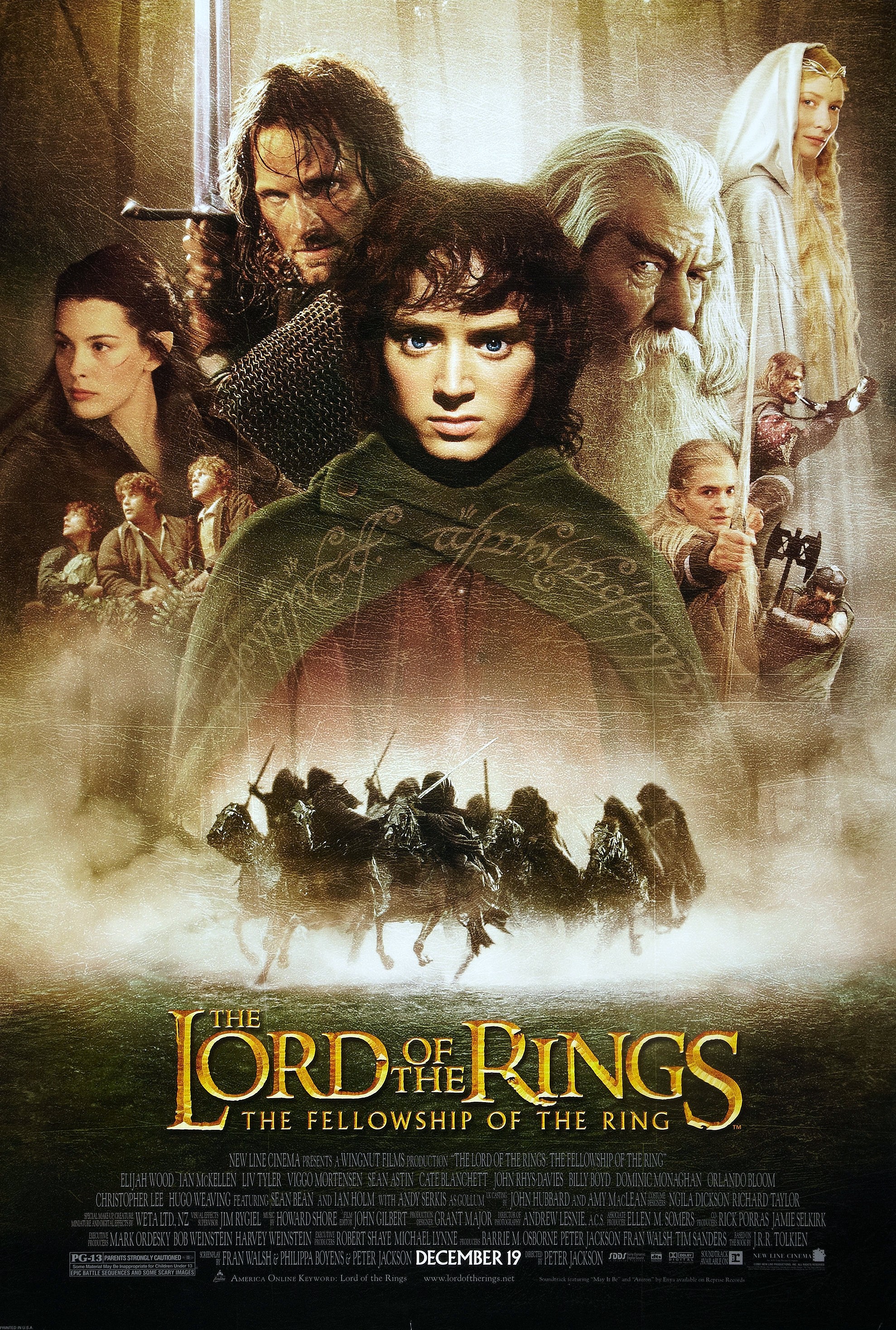
Review: Lord of the Rings Movie Trilogy

J.R.R. Tolkien’s “Lord of the Rings” trilogy was considered unfilmable for a very long time – the story was too big, too fantastical.

But in the late 1990s, New Zealand director Peter Jackson got the green light to shoot the “Lord of the Rings” movie trilogy: a sprawling fantasy epic that chronicles the tipping point of the mythical Middle-Earth, and the humble hobbits who change the world. The richness of J.R.R. Tolkien’s world is translated exquisitely into a movie trilogy full of beauty, horror, hope, humor and vibrant characters.

“The Fellowship of the Ring” introduces us to the hobbits. Eccentric old Bilbo Baggins (Ian Holm) leaves the peaceful Shire at his 111st birthday, leaving all he has to his young nephew Frodo (Elijah Wood) — including a golden Ring that makes the wearer invisible. But the grey wizard Gandalf (Ian McKellen) reveals that it’s actually the One Ring, which is the source of power for the demonic Dark Lord Sauron. So Frodo and his best pals leave the Shire and join a band of elves, men, and dwarves to take the Ring to the only place where it can be destroyed.

“The Two Towers” picks up immediately after “Fellowship” ends, with Frodo and Sam (Sean Astin) lost on the path to Mordor, and being stalked by the murderous Ring-junkie Gollum (Andy Serkis). Elsewhere, Aragorn (Viggo Mortensen), Legolas (Orlando Bloom), and Gimli (John Rhys-Davies) make a desperate stand with the kingdom of Rohan, but must face off against the evil wizard Saruman (Christopher Lee) and his orc armies.

“Return of the King” brings the trilogy to a dizzying head: Frodo and Sam’s friendship is threatened by Gollum’s trickery, leading Frodo into a potential fatal trap. Gandalf and Pippin head for the city of Gondor, while Aragorn summons an ancient army that might be able to turn the tide against Mordor. But no matter how many battles they win, the war will never be won if Frodo is not able to destroy the Ring once and for all.

J.R.R. Tolkien’s “Lord of the Rings” is one of those stories that is too big to fit into one movie – it’s almost too big to fit into three. While Jackson had to streamline the story considerably, the heart of the original novels is still there, with its message about how misfortunes can become blessings, and even the smallest and least imposing person can change the world. Despite the richness of the world-building and the complexity of the characters, it all boils down to that.

Changes are certainly made, such as altering and adding to the characters of Arwen and Faramir, as well as obviously having to leave a lot of events and characters out. Certainly the trilogy doesn’t need Tom Bombadil. But the overall story is remarkably faithful to Tolkien’s tale, and Jackson’s script with partner Philippa Boyens is a masterpiece of storytelling – full of humor and dramatic moments, adapting Tolkien’s richly-archaic prose into powerful speeches (such as Sam’s powerful final speech in “The Two Towers”).

Furthermore, it’s a beautifully-constructed movie – the exquisite sets and expansive New Zealand landscapes are breathtaking; the battle scenes are bloody and exciting; the different cultures of Middle-Earth feel deep and well-lived-in. All the trappings — clothes, jewelry, even beer mugs — are realistic. And the special effects are almost entirely convincing-looking, especially the gruesome Gollum. He’s the first fully convincing CGI character, and after awhile you’ll forget he is made digitally.

It also has a cast who give the performance of their lives – Elijah Wood as the wide-eyed, wounded Frodo Baggins; Sean Astin as his steadfast best friend Sam, who supports him no matter what happens; and Dominic Monaghan and Billy Boyd as the mischievous but brave Merry and Pippin. Ian McKellen’s Gandalf is the prototypical wizard – kindly and grandfatherly, but capable of anger and fear when confronted by the Ring – and Viggo Mortensen is outstanding as the noble king-in-waiting Aragorn. Orlando Bloom and John Rhys-Davies round out the cast as the elegant elf Legolas and doughty, down-to-earth dwarf Gimli – and there are a bunch of other great performances by actors such as Christopher Lee, Sean Bean, Liv Tyler, Hugo Weaving, Cate Blanchett, Miranda Otto, and many many more.

The extended versions of the movies are even better than the theatrical versions — plenty of cut scenes that fill out the characters and plotline are put back in. As a result, the extended versions cleave more closely to the original books. Not to mention TV specials, featurettes, cast commentary on everything in the movies, Sean Astin’s sweet little short film “The Long and Short of It,” and extensive behind-the-scenes footage that will inform viewers about special effects, sets, direction, and everyday life filming “Lord of the Riings.”

The movie adaptations of “The Lord of the Rings” trilogy are classics for a reason – while they have some flaws, Peter Jackson managed to adapt a brilliant story into brilliant, beloved movies. Powerful, gripping and full of beauty.

Review: Lord of the Rings by J.R.R. Tolkien

Though Tolkien was not the first or most critically-acclaimed fantasy writer, he remains the most beloved and influential, even though “Lord of the Rings” is decades old. And though the genre has spread and grown in directions that Tolkien could never have imagined, “The Lord of the Rings” has a unique power and prestige that few other works can rival. It quietly created the fantasy genre as we know it, set the tone for most fantasy ever since, topped many “best book” polls, and helped spawn such entertainment phenomena as “Star Wars.”

Following up on events in “The Hobbit,” “The Fellowship of the Ring” stars the quiet, good-natured hobbit Frodo Baggins, who has inherited a golden Ring that allows its user to become invisible. But his friend, Gandalf the wizard, informs Frodo that the Ring is really the Ring of Power, a tiny invulnerable token that the demonic Dark Lord Sauron has poured his essence and power into. And if Sauron can regain the Ring, he will be able to conquer Middle-Earth. Aghast, Frodo joins a fellowship of Elves, Dwarves, Hobbits, Men and a wizard, to go to the one place where the Ring can be destroyed: Mount Doom.

“The Two Towers” begins directly after “Fellowship,” after Frodo Baggins flees with his friend Sam into Mordor, with no one to protect them. His cousins Merry and Pippin are kidnapped by orcs from the renegade wizard Saruman. Aragorn, Legolas and Gimli begin a frenetic search for the hobbits, and receive unexpected help from unlikely allies. Meanwhile, the Ring weighs more heavily on Frodo, as he is forced to get help from one of the people he most despised: the Ring’s slave Gollum.

“Return of the King” brings the trilogy to an action-packed, slam-bang and ultimately poignant finale. Sam barely rescues Frodo from Sauron’s orcs, and the two resume their journey to Mount Doom, barely escaping Sauron’s forces. As Aragorn leads the desperate battle against Sauron’s armies at the city of Minas Tirith, Frodo falls increasingly under the seductive spell of the Ring.

“Lord of the Rings” is indeed a powerful book, speaking to virtually everyone who has read it. J.R.R. Tolkien drew from legends and myths, ranging from the ancient Norse mythology to more recent legends, mingled with his love of the British country folk and his Roman Catholic beliefs. Though there are no direct linkages or lessons in the trilogy, Tolkien probably drew on his experiences in World War I for the ravaged battlefields and breakneck action sequences. His beliefs are equally misty but present: they fueled the ethics of the good guys, the fall of formerly-good wizard Saruman, and the themes of temptation, redemption, evil and good that run through every character.

Frodo Baggins is an everyman hero, who dreams of adventure but begins to treasure the simple, boring life that he had once he is deprived of it. His deteriotation is saddening, all the more so because he is aware of it. Sam Gamgee is his loyal gardener, a shy young hobbit who grows in confidence and courage. Gandalf is the quintessential wizard — crabby, kindly, powerful, with a hidden unique streak that elevates him over the usual. Merry and Pippin start out a bit flaky, but are matured by their harrowing experiences. Aragorn is noble, kind, kingly, and intelligent, but with darker streaks in his personality that make him ultimately human. Legolas the elf and Gimli the dwarf initially grate on each other, but overcome their prejudices to become close friends.

And it has an ever-expanding circle of likable, well-developed characters, such as the warrior-woman Eowyn, who struggles against devastating depression and the restrictions put on her by her gender, the kindly and slow-moving Treebeard, and many of the people of Rohan and Gondor.

Tolkien’s writing is evocative and descriptive, though not to extremes; Mordor, for example, is best described through the way that Sam and Frodo react to it. The dialogue can range from goofy and hilarious (Legolas and Gimli have a very funny competition to see who can kill more orcs) to solemn and archaic, or to some combination of the two. And the pacing is gradual but necessary — readers with short attention spans won’t be able to handle this story. If they can handle sprawling, epic tales, then probably they can.

Even after all the years, J.R.R. Tolkien’s “Lord of the Rings” still rules the fantasy genre and has become an integral part of modern literature. It’s an epic for all ages, and few books have even come close to equalling it.

Eowyn and Feminism: A Rant Part 2

Which also brings me to Griffin and Liang’s complaint about Eowyn having her “happily ever after.” They managed to completely miss the entire point of everything that the good guys do at the end of the war. Eowyn turning away from her fighting days at the conclusion of the story is not just about her becoming a wifey. It’s about her choosing to embrace life rather than death, about creating something new and good and wholesome rather than seeking out martial glory.

Again, this is a thing that all the male characters do. Aragorn is rebuilding Gondor after its devastating war; Faramir is doing likewise to Ithilien; Legolas brings in a bunch of Wood-Elves to help fix the place up, and Gimli brought in Dwarves to fix up the war damage to Minas Tirith and Helm’s Deep and build a whole new kingdom. And of course, the hobbits return to the Shire and find it’s been wrecked by Saruman and his human lackeys, so once they drive them out, they have to restore the Shire to its former glory, which Sam plays a big part in, since he has a box of special Elven dirt and a mallorn seed. He literally causes the Shire’s plant life to return.

This is what Tolkien thought should happen after a war: not more fighting, but repairing the damage from the war and building things that are better and more noble. Everybody in his book takes part in this. So why is the woman expected to stay a warrior and keep slaying, when all the men are busy fixing stuff up and moving past the killing and death to peaceful lives?

Eowyn’s character arc is not about how she becomes a warrior and stays one forever because WOMAN FIGHTING EMPOWERED. That way, in Tolkien’s world, just leads to decay, blood, death and loss. Instead she embraces a new life of rebuilding and growth and life, which includes embracing romantic love. She even says at the end,

“I will be a shieldmaiden no longer, nor vie with the great Riders, nor take joy only in the songs of slaying. I will be a healer, and love all things that grow and are not barren.”

J.R.R. Tolkien, Return of the King

Faramir even highlights this plan by saying,

“And if she will, then let us cross the River and in happier days let us dwell in fair Ithilien and there make a garden. All things will grow with joy there, if the White Lady comes.”

J.R.R. Tolkien, Return of the King

Furthermore, a sane person would not see Eowyn getting married as being somehow a bad thing. Not only is it her embracing life rather than her suicidal rush towards death, but her relationship with Faramir is depicted as being one of equals. He respects her both as a woman and as a warrior, seeing no conflict between those two things, but wanting her to be happy and fulfilled in a way that fighting ultimately won’t make her.

Their relationship also makes sense because they were both recovering from similar experiences when they died: feelings of alienation and rejection, seeing their civilizations crumble from the corruption of outside forces, the recent death of father figures, and the Black Breath. Yeah, Tolkien could have outlined their relationship more, but her connection with Faramir goes a lot deeper than Liang’s contemptuous “Tolkien thinks women should get married to ANY man available.” They have a lot of similarities to build on, and unlike with Aragorn, she gets to know him as a person and not just crush on him because he’s an easy way out of a life she can’t stand anymore.

At the same time, Faramir is a more optimistic and sunny person than Eowyn, who tends to be kind of dark and moody. He lifts her up. He also provides a perspective for Eowyn beyond that of the Rohirrhim, where great deeds in battle are glorified. Gondor’s a little more sophisticated, and gives her an opportunity to learn to be something more positive than a warrior.

Faramir makes her a better, happier person by being who he is, and that’s ultimately a sign of a healthy, good relationship. Turning aside from being a shieldmaiden and marrying Faramir are part of a whole “deciding to live” change in Eowyn’s personality. You know, character growth. Something you don’t find in a lot of poorly-written characters that Griffin would define as “strong female characters.”

And even if Tolkien wanted to marry off his characters for a happy ending… so what? Is that so bad? Would Griffin and Liang have preferred it if Eowyn had just been miserable and lonely at the end of the trilogy? I already outlined why the “Eowyn stays a warrior and goes around killing stuff” thing was not going to fly in Tolkien’s world, so precisely why shouldn’t she get married?

This is why interpretation of a text from a particular political perspective is not the sole way you should look at it. Unless you’re very well-informed and dedicated to fairness and research, you can end up attributing motives and attitudes to the text and the author that are not fair or just, and you can end up bitching about things that are not actually problems. Like when you get upset when a female character does something that THE MEN ALSO DO, or when you totally ignore how a character’s actions dovetail with the attitudes and beliefs of the author.

That’s ultimately why I can’t take Griffin or Liang’s outrage seriously. Their feminist analysis is so shallow, so blinkered. They don’t think deeply about why Tolkien would have written Eowyn this way, they just condemn it because it doesn’t slavishly follow “strong woman” cliches and have Eowyn turn into Xena.

Seriously, how am I supposed to take “scholars” seriously when they can’t think outside of an incredibly narrow political viewpoint, or interpret a text by actual analysis? Major fail, you guys.

Eowyn and Feminism: A Rant Part 1

J.R.R. Tolkien is sometimes criticized for his female characters not being numerous or prominent enough. Despite this, he created the character of Eowyn, a warrior woman who disguises herself as a man so she can ride into battle alongside her brother and uncle, and was actually Aragorn’s love interest in earlier drafts. I read somewhere that Eowyn was created by Tolkien so his daughter would have a character to look up to, but I haven’t been able to find a source for it.

Anyway, Eowyn was an interesting and well-developed character that Tolkien clearly had some affection for. And she was treated with respect: her yearning to go fight and the unfairness of being left behind is treated sympathetically by both Tolkien and his characters, and never once is she dismissed because of her gender. Hell, she’s given the honor of killing the second most powerful bad guy in Middle-Earth (once Saruman lost his power) — even Aragorn didn’t get a memorable kill like that!

But when I glanced at her wikipedia page, I saw that feminist Peggy Griffin apparently claimed that Eowyn almost qualified as a “strong female character” (her exact phrasing) but didn’t because she decides to turn away from fighting and marry Faramir. The sneering implication of her text is that Eowyn is just being shoved into a romantic role with some random guy (not one of any importance), now that she’s done “playing” as a warrior.

What. A. Crock.

First, I do NOT like the stock “strong female character who wants to be a warrior, wears armor and defies authority” as an archetype, because it’s increasingly antithetical to good writing. It produces characters like the live-action Mulan, who has no flaws, no weaknesses, no identifiable qualities, no real obstacles to overcome, and thus flopped epically as a character because she was being compared to the well-developed, intelligent, hard-working, likable character from the 1990s. I’m not saying the “strong female character” archetype can’t be done well, but she needs to have more than “I rebel against all authority and I dress like a dude! Me so empowered!”

A female character should be written to be a good character first, and a woman second. Female characters should have to work for their triumphs, train, struggle, persevere, and work against their personal flaws in order to grow and become better (or if villains, possibly worse) people. Same as male characters. A good example is Leia from the original Star Wars trilogy: she was smart, capable, dynamic, strong-willed and an excellent leader on and off the battlefield, but she also had some personal flaws she had to overcome before she could find happiness. She had a bad temper (presumably inherited from her father) that often made her very snappish, and she had difficulty in Empire Strikes Back with expressing her deeper feelings that she has to work past (which she has, by the beginning of Return of the Jedi, which also coincides with the subsidence of her anger).

So it pisses me off that Ms. Griffin dismisses Eowyn’s journey just because it involves falling in love and retiring from the battlefield. You know why that isn’t an antifeminist thing to do?

Because all of the men do it.

Okay, not all the men get married at the end, but a substantial portion of the cast does. Aragorn gets married within a year, as does Faramir (obviously, since he married Eowyn), and Sam. Even Eowyn’s brother Eomer immediately starts sniffing around the Gondorian ladies in order to find himself a queen as fast as possible. Merry and Pippin didn’t get married to their wives right away (especially since Pippin is still technically a kid when the war ends) but they do settle down and get married, and later become the respective leaders of their clans.

And precisely why should Eowyn make being a warrior a way of life? All the men stop fighting when the war ends. Sure, some of them have to have some small-scale, brief conflicts because they have kingdoms and the Shire, and bad guys will inevitably attack. But none of the male characters continue fighting as a lifestyle after the war. And yet Griffin and her sneering cohort Liang claim that the ONLY reason a woman would quit her martial pursuits and get married is because she’s being forced into subservient domesticity under the patriarchy.

That’s because neither of them understand how Tolkien thought… and I suspect that is because neither of them has ever been a soldier, or even probably talked to one. Tolkien was a soldier, in the most hideously wasteful, pointless, poorly-handled wars in the history of the human race. He did not think that war and fighting were things that people — male or female — should do as a full-time pursuit, as a way of life. He thought that after the war was over, then people go home, get married and live peaceful lives.

Eowyn is literally being criticized for being treated exactly the same as the male characters. It probably never would have even occurred to Tolkien that he should write her eschewing marriage, donning a metal bra and riding around looking for people to kill. Not because he wanted to deprive a female character of power, but because it literally would not have occurred to him that anybody should do that. It’s not a matter of male vs. female, it’s just how he thought everyone should live.

That’s because Tolkien didn’t think of fighting as empowering, because he wasn’t an idiot. He knew that being a warrior was not just dangerous, but painful, messy, and capable of taking a terrible toll on a person (presumably he witnessed the shellshock victims after the wars). He knew that some people might find fame and honor on the battlefield with impressive deeds, but he didn’t believe that fighting should happen for its own sake. The male characters of Lord of the Rings only ever fight to save the world, not because they think it makes them look awesome.

Consider this quote:

“War must be, while we defend our lives against a destroyer who would devour all; but I do not love the bright sword for its sharpness, nor the arrow for its swiftness, nor the warrior for his glory. I love only that which they defend…”

J.R.R. Tolkien, The Two Towers

That quote, by the way, is by the male character that Liang dismisses as “any” man as if he had no importance. I think being the author’s mouthpiece on the morals and purpose of war is probably something reserved for important characters. Especially when the author specifically says that he identifies the most with that character… but hey, I’m not a “feminist scholar.” I just do research.

(Tolkien also didn’t have Eowyn dress as a man as some kind of feminist political statement — her dressing like a guy was purely practical, because she had to blend in with a force of men)

They also managed to miss the fact that Eowyn’s lust for battle-based glory is not depicted as a good thing. Eowyn’s longing for glory on the battlefield is at least partially based on suicidal depression and her frustrations over having to take care of her aged uncle, while her cousin died and her brother was exiled. Eomer suffered the same experiences, but he was able to go out and do something productive about it, because he was a man. By the time Eowyn kills the Witch-King, she’s pretty screwed up from months or YEARS of this treatment.

She’s not trying to fight from a healthy head-space — she’s trying to go out in a blaze of glory, after being trapped by her struggles in a country threatened with decay, because she sees nothing worthwhile in the life of a protector and leader off the battlefield. Aragorn explains in the Houses of Healing that she her crush on him was because he represented escape from Rohan and a chance for great deeds. That is not healthy.

And yet Tolkien is still completely sympathetic to her desires and wishes, even though they are not really in tandem with his own views on warfare.

“But who knows what she spoke to the darkness, alone, in the bitter watches of the night, when all her life seemed shrinking, and the walls of her bower closing in about her, a hutch to trammel some wild thing in?”

J.R.R. Tolkien, The Return of the King

I can’t say for sure, but Tolkien probably saw a lot of women who wanted to do things, and had the spirit and inner strength to accomplish them, but were constrained by society’s gender roles. Hell, he worked at Oxford — he probably saw a lot of this sort of thing. And he clearly had sympathy for them and their struggles.

And yet, Griffin and Liang just see it as “herp derp, woman fighting good, woman getting married bad, fighting is empowering, herp derp!”

TO BE CONTINUED