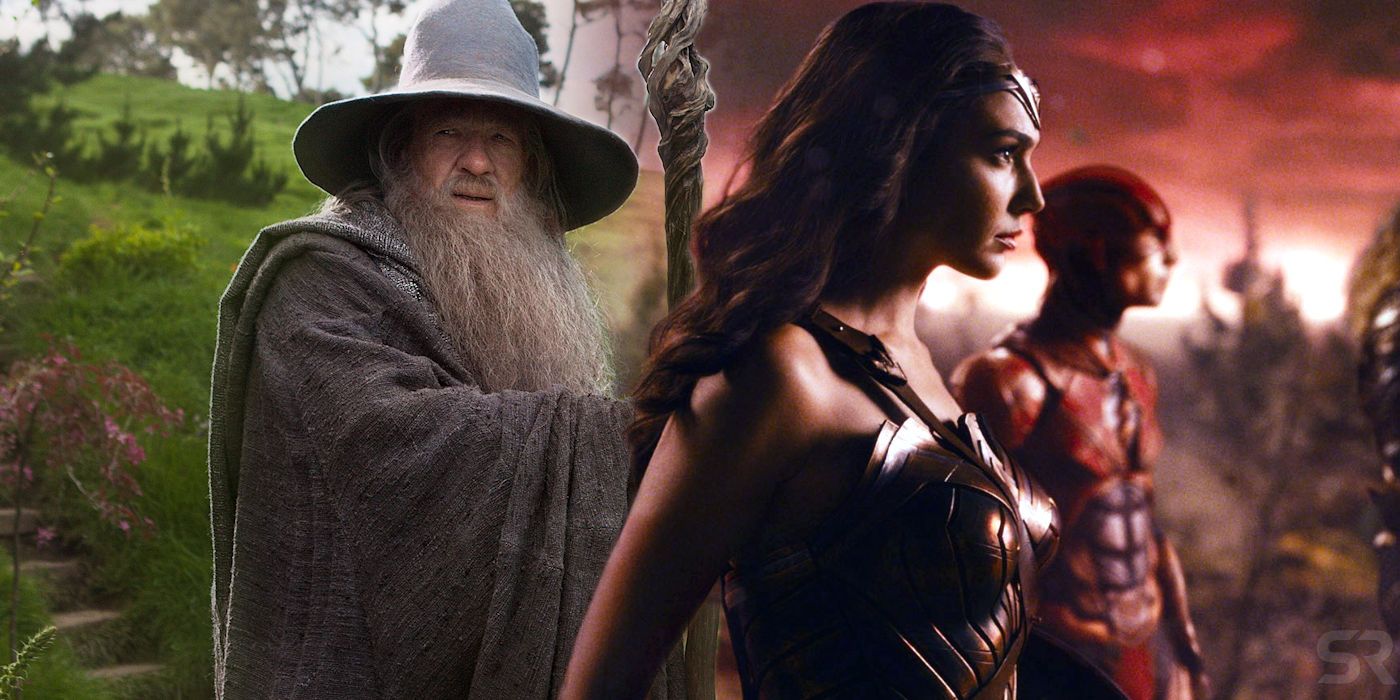
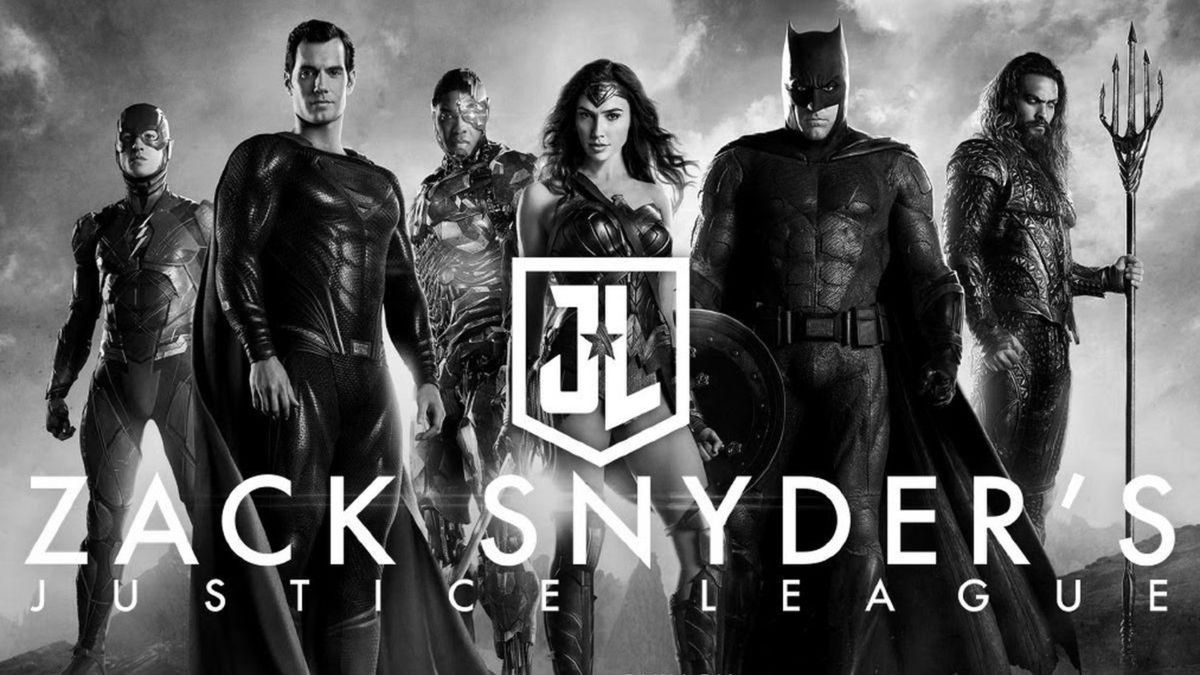
One thing I’ve seen people say online is that the Snyder cut of Justice League is sort of like DC Comics’ Lord of the Rings. I understand perfectly well that they mean in terms of scope, epicness, and world-building, but the comparison really took me aback when I stopped and thought about it.
Why? Because Lord of the Rings‘ movie adaptations are actually sort of the opposite of how Justice League was handled. Consider the directors. Peter Jackson was a cult director when he was given the reins of a movie trilogy to rival, or even surpass, the original Star Wars trilogy – clearly talented and capable, but not a megastar. Zack Snyder, on the other hand, has given us several blockbuster movies with varying degrees of success.
Yet the movies were handled in opposite ways by the studios. Imagine if Peter Jackson had filmed the entire extended-edition Lord of the Rings movies, all three at the same time, an epic undertaking intended to give us a great and massive story. Then the movie Dungeons and Dragons flops at the box office, and New Line wets their pants.
Instead of making sure that the best possible movie is released, they take the first opportunity to replace Jackson with another director, popular but overrated, and not really capable of giving the movie the gravitas it needs. They also want the movie to be funnier, as well as only two movies instead of three.
And that new director – let’s call him Moss – takes a movie trilogy that is all but finished, rips it to shreds, and reshoots most of the scenes, making everything less epic, impressive and important, and adding in “funny” dialogue. Many side-characters are carved out completely (an awful lot of them non-white people, it’s worth noting), and main characters have their stories carved down to the bone until almost nothing is left. Oh, and a lot of that pesky world-building gets stripped as well. It’ll scare the normies. Plus, make sure the whole story fits neatly into two standard-length movies, and just keep trimming until it does.
Can you imagine the trash-fire that the Lord of the Rings would have been if New Line had treated those movies the way WB treated Justice League? It would have been a disaster financially, fans would have hated them, and non-fans probably would have been underwhelmed. We would likely have never gotten the extended editions, and seen the director’s adaptation as it was originally intended.
Since the Snyder Cut of Justice League is a mammoth four-hour-long expanse, I’ve decided to watch it in sections. This evening, I finished watching the first part of it, with no particular expectations – I’ve been avoiding Youtube videos about it for the past few days, so I could come in with fresh eyes.
And I can definitely say: it’s much better than the Josstice League cut.
Admittedly that’s a low bar – the theatrical cut of this movie was a mess, a mismatched Frankenstein’s Monster of two clashing styles that managed to make each other look terrible. Also, it didn’t feel very epic. It’s fine to have an individual superhero movie with smaller stakes – see Ant-Man and the Wasp – but for a team-up of A-list superheroes, you need everything to feel grand and massive in scale. Nothing about the theatrical cut felt like the whole world was in danger.
That is very much remedied in the Snyder Cut, or at least the first part of it. Things feel bigger, more intense, more expansive.
Flaws? Well, it’s a bit slow. The first part of the film takes its time and unfolds in a leisurely manner… and sometimes it’s a little too leisurely, such as when the Scandinavian women sing, or when Batman is very slowly crossing a mountain range. And yes, if Zack Snyder’s staples like slow-mo bother you, gird your loins, because he does use it.
However, most of the stuff I can note are positives. Almost everything in this cut was done better than in the Whedon cut – sometimes the changes weren’t drastic, but they were notable.
For one thing, there were a lot of smaller scenes that were inserted that make it flow more effectively, such as when the Amazon mother-box first activates – we see one of the Amazons reacting to it and investigating it, before ordering that Hippolyta be told. Or Cyborg sensing the mother-box in his closet activating.
Other scenes were clearly reshot, and frankly they seem a lot better than the ones in the Josstice League version. Batman’s entire conversation with Aquaman has a lot more weight – when Aquaman says “You’re out of your mind, Bruce Wayne,” there’s a subtle hint of menace there rather than humor. And thank God, Batman isn’t spouting Whedon dialogue. Batman should never say Whedon dialogue. Ever. In any situation.
One of the most notable is the scene where Wonder Woman defeats the terrorists and saves a bunch of schoolchildren. The scene is longer, more intense, and Diana feels more like she’s actually angry and disbelieving that people could behave this way. Furthermore, instead of simply throwing the briefcase up in the air, she actually flies through the ceiling a considerable distance, and then throws it. It makes the situation seem more dire that the explosion was so massive.
Furthermore… she seems like more of a badass here, fighting more effectively, flying into the air, and using her superpowers, including that bracer-clashing move of hers. Yet at the same time, the Snyder Cut also highlights her compassion by having her immediately reassure the children and ask everyone if they are all right.
Speaking of how women are depicted, it’s also interesting to me that Zack Snyder presents the Amazons in a far less sexualized manner than onetime feminist icon Joss Whedon, including removing the implied rape threat. Something to think about.
Actually, he depicts the Amazons better in almost every way. In this movie, they’re fiercer, more effective, and the enemy they face is much more imposing, so that their losses feel more earned. Having them all roar “We have no fear!” is a pretty awesome moment, even though you know they are afraid. The fight with Steppenwolf is much more destructive and epic – including a whole temple falling into the sea – and Snyder pauses to let their losses sink in before launching us back into some pretty awesome fight scenes.
Speaking of Steppenwolf, he looks a thousand times better here. This is a CGI render that someone actually finished, and he doesn’t just look like a weird gray guy in a giant hat. He’s bigger, scarier, his voice is deeper and more distorted, and he’s covered with an armor of living needles.
The movie has also been rescored, and honestly I prefer it. The scene of Lois visiting Superman’s memorial feels poignant and heartrending in a quiet, unobtrusive way, without being too on-the-nose with people doing criminal stuff or holding up signs saying “I tried.”
Anyway, those are my thoughts on the first part of Zack Snyder’s masterwork. It’s good, better than I expected so far. I’m hoping it will continue to entertain me. To be continued!
We’re currently in an unpleasant phase in corporate/fan relationships. The attitude of the media, some consumers and a number of people in the entertainment industry is essentially that fans should not be pandered to. Which is to say, “shut up and eat the foul sludge we’re peddling without questioning it, plebeian.”
Dare to question your corporate overlords, and you’re labelled a troll or “toxic fan,” which is a convenient way of not actually engaging with the fans who care about things like character consistency and good writing.
That’s why it’s so heartening to see Zack Snyder’s four-hour cut of Justice League has finally been released after four years of kicking and screaming from online fans. Now, I have not yet seen the Snyder Cut, though I hope to enjoy it more than the Frankenstein Monster that was the “Josstice League” cut. I don’t like Joss Whedon, in case I haven’t mentioned it. I’ve seen some side-by-side comparisons of various scenes, and the Snyder Cut… honestly feels like the superior cut. It’s more epic, less stupid, and more tonally cohesive.
I know that a lot of critics have trashed it as being a horrible movie, but also found that a number of those critics don’t like superhero movies anyway. And honestly, I’m kind of inclined to view them as biased anyway, because… as much as I hate this phrase… this movie was not made for them. It was not made to court critical acclaim. It was not made for people who actively did not want fans to get the Snyder Cut because it would be “rewarding” them, who viewed the fans as “toxic” for demanding something from their betters. It was made for the audience to enjoy.
That’s why, even if the Snyder Cut is bad, I’m glad it was finished and released, and I hope it’s wildly successful. The entertainment business needs to be reminded – forcibly, with money – that the fans and the wider audience do not owe corporations their money or their loyalty. It is not “pandering” or “rewarding” people to give them entertainment that they have expressed a desire for, or want to actually see done well.
There’s another recent example – the movie Sonic the Hedgehog. It’s a completely inoffensive and mildly funny movie, a good movie to watch with children. But the impression left by its first trailer was… catastrophic. The CGI model immediately put people’s teeth on edge.
So what did the studio do? They reeled the movie back in, fixed the CGI, and everyone cheered. The only sourpuss was Jim Carrey, who complained about – what else? – entitled fans being given what they wanted, instead of what the studio shoveled out of a cesspit.
But what was the result? Not only was Sonic a success financially, it was a hit with audiences. Not just because it’s a thoroughly okay children’s movie, but because they didn’t just tell the fans they were toxic and flounce away. They actually fixed what people didn’t like.
So we can hope that studios are starting to pay attention – it does not pay to diss the fans and denounce all criticism. When you work with the fans rather than against them, they are more inclined to give you their money and praise.
Over the last year, I’ve really fallen down a rabbit hole of historical food videos on Youtube, starting with the wonderful Tasting History show, and the Mrs. Crocombe videos that recreate Victorian recipes. But another show with a particular focus is the Townsend’s historical cooking channel.
This is the channel belonging to Jas Townsend and Sons, a company in Indiana who sell 18th-century reproductions of clothes, cookware, food, and many other things. It’s not exclusively devoted to cooking – there is stuff about building a log cabin, not getting your panties in a twist over ephemeral politics, and so on – but a large amount of it is devoted to exploring the cuisine of 18th-century America, ranging from the culinary efforts of the enslaved to the recipes inherited from England.
Townsend is a very pleasant and soothing person to watch, and he chats with the camera about the historical context of his dishes as he makes them. Part of the appeal is just in how unpredictable and odd these dishes are from when you recreate them as accurately as possible. What was fried chicken like back then? Or mac’n’cheese? What recipes did Martha Washington have? And what is fried lobster like?
I don’t like Michael Bay’s Transformers movies. I have made no secret of this. I have been trying to rewatch the second movie for almost two years, just so I can rag about what an absolute disaster it is. It’s so bad that I literally have trouble paying attention.
But his movies also have the distinction of being bad movies that I don’t enjoy riffing on. I actually enjoy quite a few bad movies – Van Helsing, GI Joe: The Rise of Cobra, The Mortal Instruments: City of Bones, Battlefield Earth, Battleship, Hellboy 2019 – specifically because I enjoy riffing on them and mocking how lousy they are, or occasionally because I want to turn my brain off and watch splosions. Even Twilight has some small amount of enjoyment for me, in that I love pointing at it and yelling, “See? See? This is garbage!”
But I don’t derive any enjoyment from the Transformers movies, and I’m not sure why. They are undeniably bad – almost every aspect of them is at best deeply flawed, and I could write a book on everything wrong with them. There’s plenty wrong. But I had to think about why they are somehow worse than, say, the highly derivative Battleship, which has a similar level of ineptitude, but somehow doesn’t feel quite as bad.
And honestly, it’s kind of hard to put a finger on, but I think it’s just that they feel… ugly. Not visually ugly, although personally I do find them unpleasant visually (why is everyone in the first movie so sweaty?). No, there’s an ugliness in the soul of these movies. An ugliness in the heart. It’s a universe where it feels like nobody is actually good or admirable – we have antagonists who are motivelessly evil, and we have heroes who… don’t feel like good people.
Do you remember the climax of the movie The Two Towers, when Samwise Gamgee made a stirring speech about how there was good in the world, that it was worth fighting for, and that things would get better eventually? It felt like an extension of the worldview in those films, that there was light and goodness in the world, and that there were noble people who would defend it….
… and the Transformers movies kind of have the opposite effect. There is nothing stirring about these movies, because every character feels like the product of a mean-spirited mind. This is seen in most of the characters – so many of them are either presented in a mean-spirited light (most African-Americans) or they are jerks themselves.
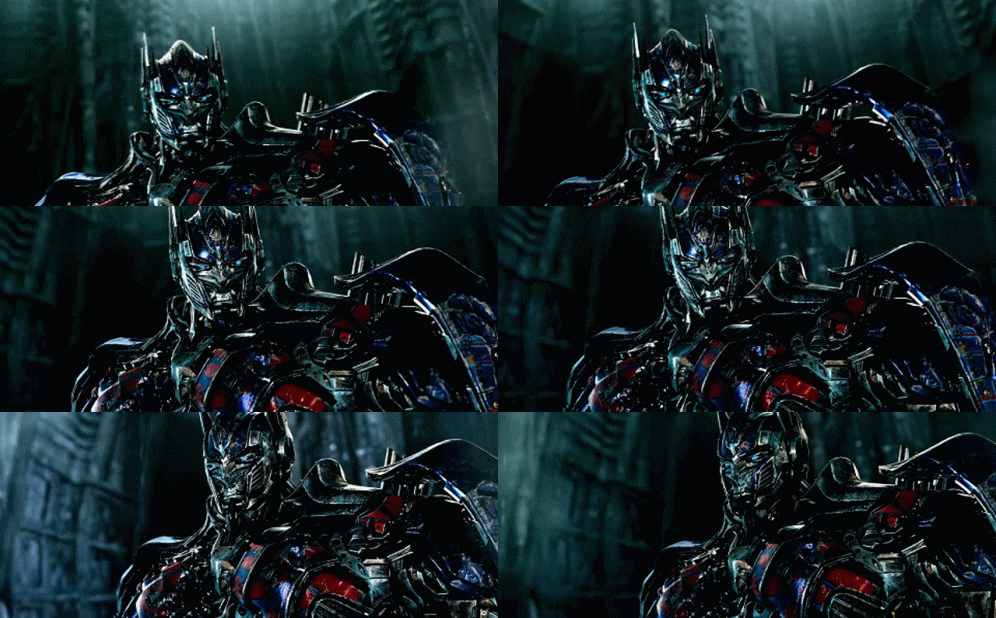
But it’s most displayed in the way that Optimus Prime is depicted. Across the Transformers Optimus is an inherently heroic character – he’s noble, protective, and cares about all life. But the Optimus of the movies is brutal, once ripping a Decepticon’s face right off without a single qualm. He threatened a Dinobot with death if it didn’t serve him and let him ride around on its back. And of course, he gets brainwashed into doing evil stuff, because who wants to see him being heroic?
I’m not saying that Optimus has to be perfect, nor am I saying that there is no room to explore darker themes with heroic characters. But Bay’s handling of Optimus feels like… he’s scoffing at the idea that someone can be good, noble and heroic. Which is probably the case, because in my experience, people who are loathsome tend to really despise people who are good, and believe it’s all fake and those particular people are really corrupt underneath. And, well, Michael Bay is pretty awful as a human being.
So anyway, those are my thoughts about how mean-spirited the Michael Bay Transformers movies feel, and how they differ from other terrible movies.
I am what you could call moderately informed about mainstream comics. I know about all the A-list characters, quite a few of the B-list, and a fair number of C-listers. I’m an avid viewer of Linkara’s comic-book review videos, as well as a few other channels that cover comic content, as well as research, TV adaptations… and the comics themselves, of course.
But when it comes to comics, very few things irritate me like taking a magnificent character… and doing them dirty.
For instance, I was livid when Birds of Prey came out, and I saw what they had done to Cassandra Cain. The character in the comics is a complex, well-developed character with a unique backstory, a lot of moral and personal confusion, a likable, good-hearted personality, and some representation for people with learning disabilities. She’s an elite super-assassin who couldn’t bear to kill, and who didn’t speak or read because she was able to read body language so well.
Cassandra Cain in the movie? She’s a mouthy little brat played by a kid who can’t act. It was revolting.
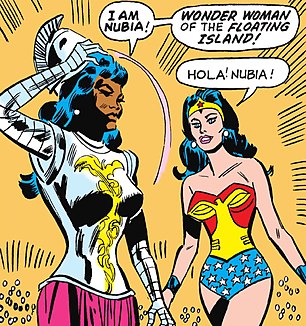
And I sort of feel the same way about Nubia. Now for context, until a few days ago, I had no idea that the character of Nubia even existed, because despite her superhero pedigree – she’s the kidnapped twin sister of Wonder Woman – she’s surprisingly absent from most comic books and not talked about very much. In fact, she’s so obscure that I realized that I had actually read Injustice 2, a comic with her in a small role… and I hadn’t realized that she wasn’t just made up for that comic.
And it’s really a shame, because Nubia is a character that could have a lot of power and resonance.
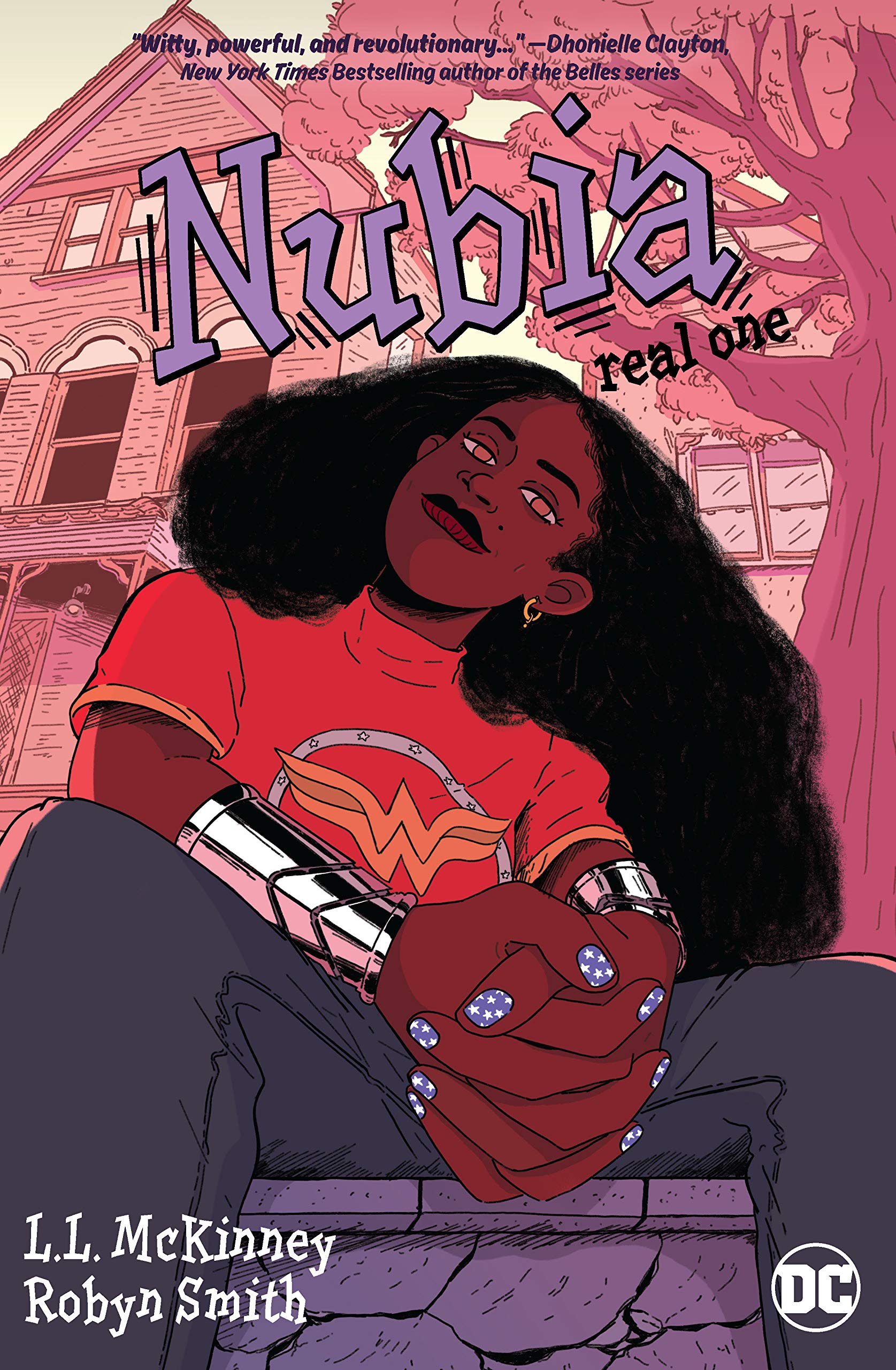
Unfortunately, her most visible reappearance in recent years… is Nubia: Real One.
This comic book is a perfect microcosm of everything wrong with DC Comics’ young adult stuff at present. They are desperately trying to reach out to younger readers at present, but instead of respectfully making stories about characters like the Teen Titans, Red Robin, Miss Martian, Superboy and other popular young DC characters… they make stories about the woes of being a mostly-ordinary, not-very-dynamic girl living in a crime-ridden rathole of a city, with a little bit of Wonder Woman crammed in there almost as an afterthought.
And yes, they deal with sensitive, painful, complex social issues… with all the subtlety of a wooden club to the nose.
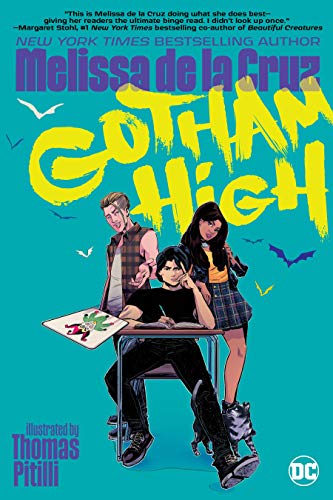
These recent graphic novels are also made by people who are clearly not interested in writing superhero stories. Gotham High is perhaps the most obvious example of this, where it reimagines Bruce Wayne, Selina Kyle and… the Joker… as teenagers going to Gotham’s public schools. Melissa de la Cruz’s take on this concept was absolutely ghastly, and I hated every page of it. Reimagining the Joker as a slightly edgy but good-hearted poor boy in love with Selina absolutely made my blood boil. What they did to Alfred – having him abandon the traumatized Bruce for ten years – was unforgivable.
Just the cover makes me angry
The future releases don’t look promising either. I Am Not Starfire focuses on a dumpy, self-pitying pouty goth teen who seems to detest the popular and beloved Starfire character, her mother, and whose lack of superpowers means she won’t be doing anything heroic. We get to focus on coming-of-age woes, mother-daughter drama, and probably how awful Starfire. How enticing. And the Jessica Cruz graphic novel seems to be abandoning the galaxy-spanning space-cop stuff for Mesoamerican mythology and immigration issues. It’s not impossible to deal with such issues in a Green Lantern title, but you should keep the core of the character intact – you can have space problems and social issues!
I’m not going to go into the politics represented in Nubia: Real One, because they are so polarizing. And I hate politics. What I can tell you is this:
There’s a lot of hate woven into the book. It’s the exact opposite of the Black Panther movie, which drew most people in by both acknowledging the struggles that African-Americans face and the need to help, and the fact that trying to get revenge or use violent means is ultimately self-defeating and wrong. It had a good heart that embraced everyone, and this comic… doesn’t. Whatever your political position, it should not come from a place of hatred, which is unfortunately the position of most people today.
A lot of aspects of it do not make sense when you think about them for more than two seconds (why is a well-connected rich boy going to a crappy inner-city public school?).
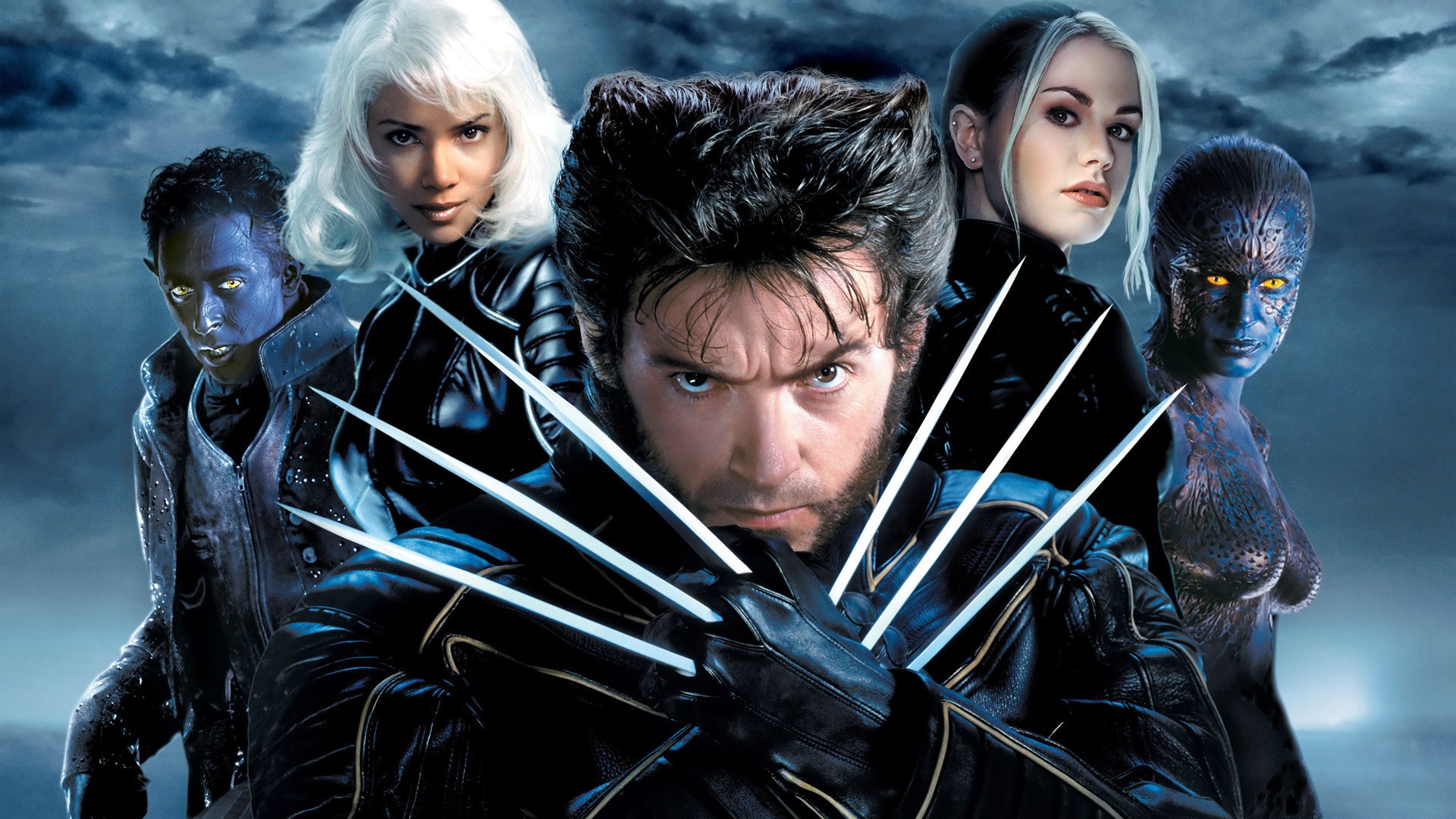
There is no zero subtlety. None. You know how the X-Men are often used as analogies for various minorities – black people, Jewish people, LGBTQ people? This allows the reader to examine the core nature and effects of prejudice without getting too tangled up in specific immediate politics, and allows them to be taught lessons in a timeless way. This comic is the exact opposite: it bludgeons you with current-day, extremely polarizing politics in almost every single page.
And really, Nubia deserves better. The Nubia of this book is almost painfully unremarkable in every way but her super-strength. I think we’re supposed to see her as becoming powerful and strong at the end, but it feels so artificial after watching her cower, cringe and cry for the entire book. Basically, someone gives her a pep talk about how great she is, and somehow this causes a complete change in personality. Not that she had much of a personality – she has the dynamic qualities of a wet sock.
Furthermore, Nubia is not a superhero in this. She does one vaguely superheroic thing early on, which only occurs in order to establish that all white people hate her because she’s black. But if you hear “Nubia is Wonder Woman’s black twin sister, and she has similar powers!” you expect her to do something… superheroic. Something epic. Something powerful. And it never happens.
Don’t you want to see this woman kick some butt?
In fact, you could probably cut Wonder Woman (who looks awful, by the way) out of the story altogether, and you would just have a rather melodramatic, poorly-written story about a not-very-interesting teenage girl dealing with over-the-top racism.
And that is not what the character of Nubia should be. I don’t know much about the character, but I would expect her to have a lot in common with Diana. And you would expect her story to involve massive threats, gods, monsters, magic, and some kind of epic journey for Nubia that spans both the world of the Amazons and the world of humankind. That is the kind of story that Nubia – the Nubia of the original comics – deserves.
She deserves to be bold, fiery, strong yet compassionate, and confident in her physical and mental power. Not saying she can’t have vulnerabilities – I love doubts and vulnerabilities in powerful characters – but the Nubia of this book is too drippy. I don’t want to see her punch a cop. I want to see her superhero-land on the ground so hard that it leaves a crater, only to rise flawless and indomitable from the dust, and punch some mythic monster in the face.
But it doesn’t happen. Because this book is made for people who don’t read superhero comics, by people who don’t read or write superhero comics.
Don’t ask me why Diana is suddenly speaking Spanish.
I can only speculate on why, because DC seems to be specifically deemphasizing everything superheroic about their superheroes… at a time when superheroes are more popular than they have ever been. I can only wonder why they are making stories that people who don’t like superhero comics won’t pick up because they ostensibly involve superheroes, and people who do like them won’t pick them up because they’re actually all about social issues and bad teen romance, not superheroing.
With a little research, I bet that I could have created a phenomenal story for Nubia. Perhaps one that marries the Grecian origins of the Amazons with some African mythology, for instance, and one that has oodles of action, fantasy and adventure. But for some reason, DC doesn’t want that kind of story to be offered to new readers.
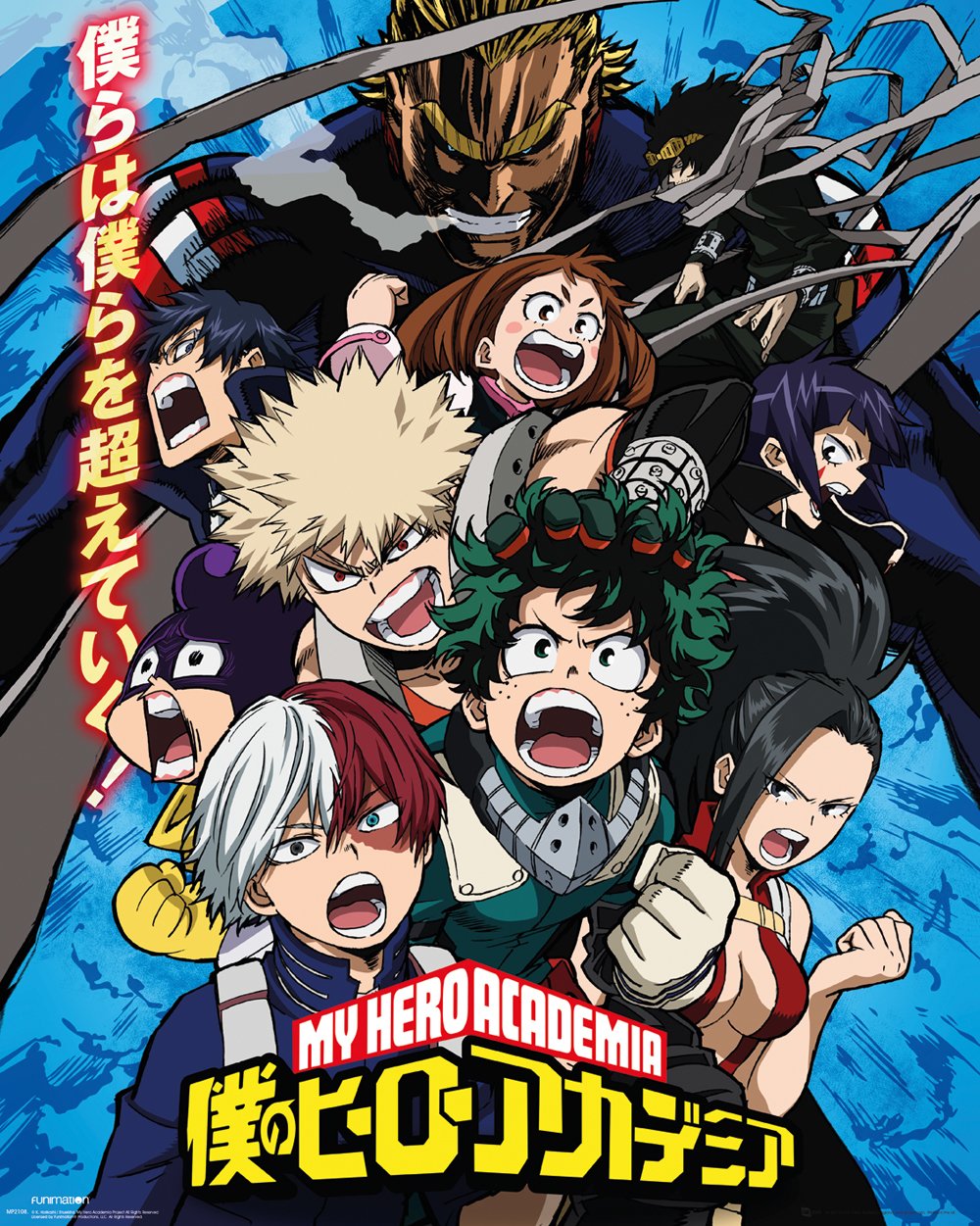
And yet they wonder why My Hero Academia, an unabashed and unashamed superhero story full of action, drama, horror, heart and character development, resonates so strongly.
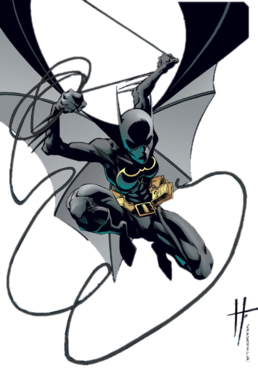
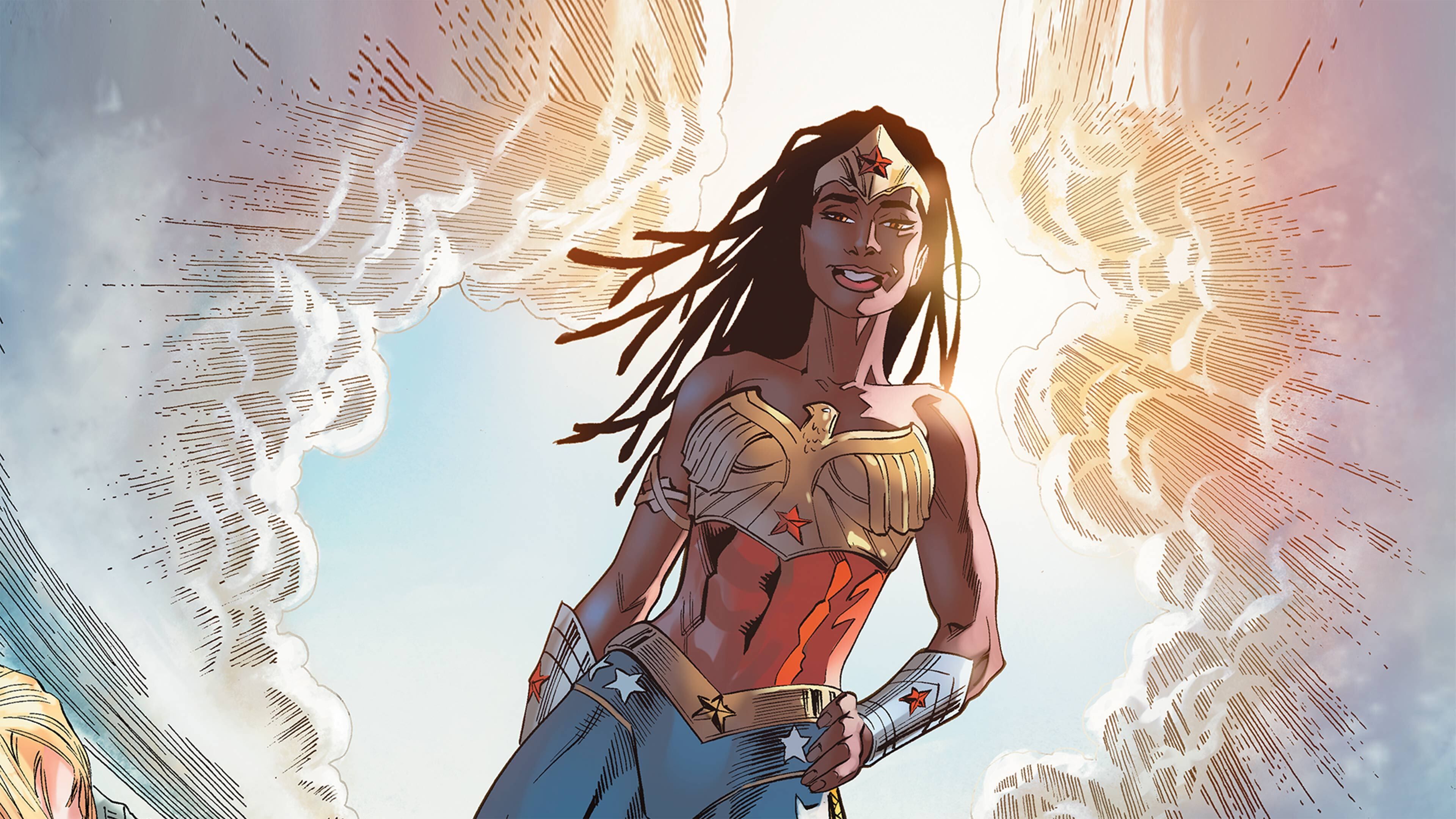
Oh, and the art in all of these books is horrific. Just the worst. I am shocked that the people who drew these are actually employed at a major comic company rather than posting on Deviantart. DC Comics has access to some of the best comic-book illustrators in the world – see the image at the top of the page – and they keep choosing people whose art is just… ugly and amateurish.
I could perhaps give this art a pass if it were being posted on social media by an enthusiastic self-published person, or someone with a small publisher. But this is DC. It’s one of the Big Two. The art in these books should be polished and sublime, and… are they under the impression that kids only like ugly blobby sloppy artwork in their cartoons and comics? Because when the art of Gotham High is as good as it gets, you have a problem!
Anyway, those are my thoughts on Nubia, Nubia: Real One, and the current slate of DC’s young-adult releases. Ciao!
Granted, I don’t feel good most days. But I’m thinking seriously about taking a break from social media from awhile. Not from this blog – I would probably dedicate more time to the blog – but from stuff like Twitter.
Twitter is quite possibly the worst site on the planet that does not contain snuff films, animal abuse or child porn. It’s a mass of rather stupid people festering with hatred, arrogance, closed-mindedness and a total inability to debate anything intelligently. Youtube comments sections are positively kind and loving compared to Twitter.
And honestly, I have never felt at all accepted or safe there. Quite the opposite. Barely a day goes by when I don’t see someone being either casually bigoted towards me or people of my religion, or angrily and vitriolically. I hear people bleating about how social media is a “safe space” for many people, and how they should “feel safe,” but I have never felt safe there, and they couldn’t care less.
Hell, I feel actively threatened by some of these people.
And the worst part is, these people rule Twitter. These are not little fringe groups. These people are pretty much the face of Twitter, and they have countless supporters, and they have power to intimidate companies and politicians.
So I’m thinking about taking a break from social media for awhile – from Twitter, from Facebook, even from Youtube comment sections. I have writing I want to do (including this blog), and reading, and getting back in touch with what’s actually important. I want to stay in touch with the few friends I have online, but my emotional and mental health are being negatively affected by all the hatred and bigotry I’ve been exposed to.
So, singer/songwriter Sia has caused quite a kerfuffle in recent months because of her directorial debut, simply called Music. Ostensibly, it’s about a young autistic girl who, after the death of her grandmother, goes to live with her older sister, a drug-dealer/recovering alcoholic who is apparently the only relative Music has. Her sister, named Zu (QUIRKEEEEEE!!!!!!!!), is also woefully uninformed about autism, which attracts the attention of the Magical Black Person living next door, who knows all about it.
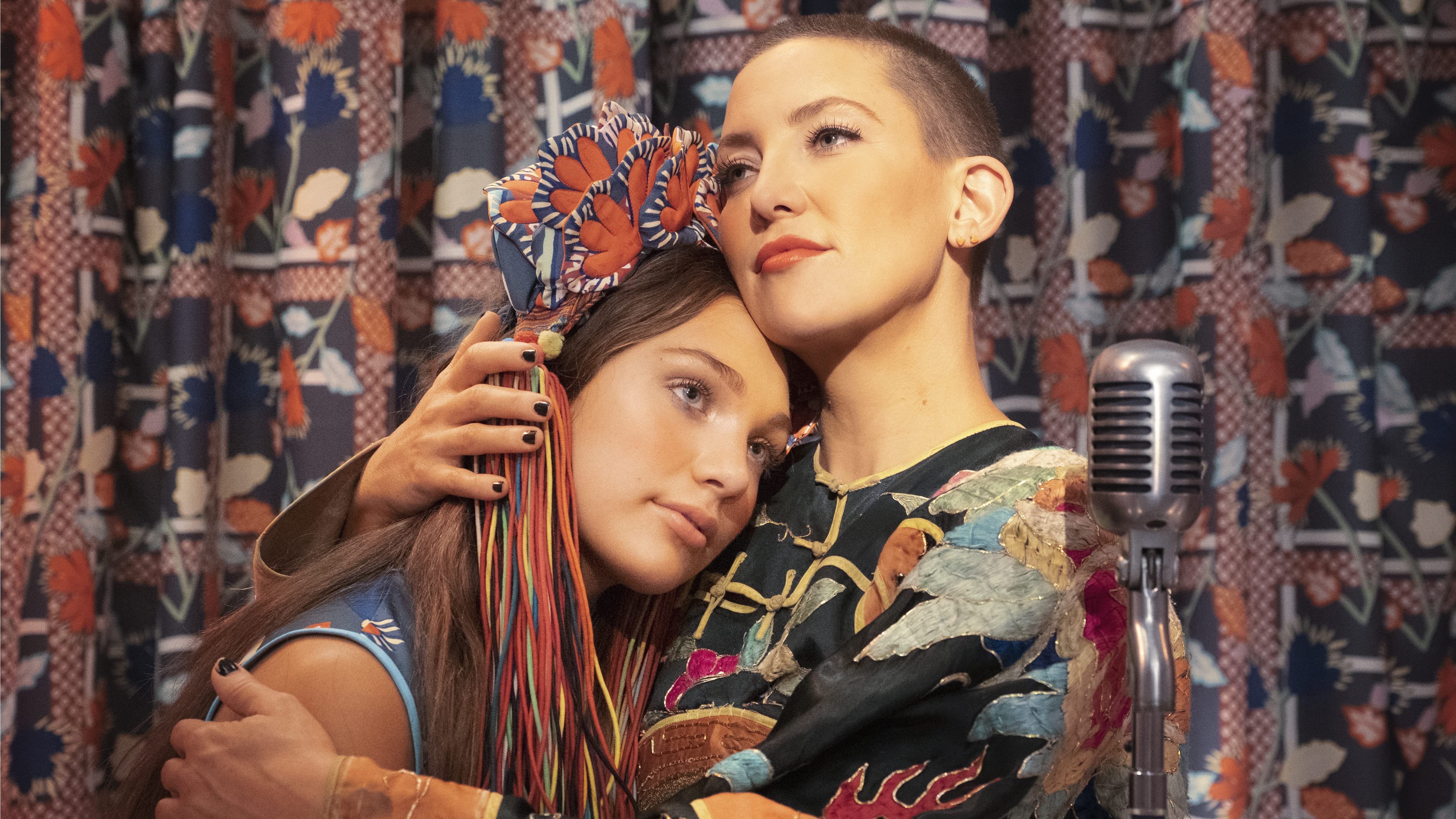
A lot of people, both autistic and not, have expended much virtual ink on Sia’s depiction of autism and the many, many problems with a movie that isn’t even very good on a purely artistic level (I’m honestly amazed Leslie Odom Jr. could say “crushing her with my love” without cringing so hard he teleported into another time zone). People have talked about the dangerous depiction of restraining an autistic person, the fact that Sia did all her research from Autism Speaks (which is to autistic people what PETA is to pets), Sia’s meltdowns on Twitter when confronted, Sia’s unhealthy relationship with actress/dancer Maddie Ziegler, and various other issues.
I am not autistic. I have other issues. I am, however, part of a family with several autistic people in it – all my siblings are on the spectrum, as is my mother, my uncle, and my late grandmother. Honestly, I think it’s more a continuum than a spectrum, since there are many, many areas in which autistic people have differing characteristics. For instance, did you know that some autistic people are extroverts? It’s true!
There’s also a lot of debate about whether Sia should have hired an autistic actor to play the central role. I’m not going to concretely opine about it one way or another, but I can say this: it is perfectly possible for neurotypical actors to play autistic people in a respectful way. Take the TV show Alphas from the early 2010s, which has an autistic character as one of its cast, played by a neurotypical actor. For the most part, Ryan Cartwright did a very good job, playing the character with subtlety, a lack of harmful stereotypes, and a general feeling of respect. His character, 97% of the time, felt like an actual person and not a stereotypical savant with some quirks.
So there’s absolutely no excuse for the depiction of autism to be as bad as it is in Music. No excuse.
I mean, this is bad. The autistic character, Music, is played with the kind of exaggeration that is usually associated with mockery and contempt. I can’t speak to Sia’s motives, but Maddie Ziegler’s performance is a horrendous depiction of autism. Maybe she was directed to act that way, but I can definitely say that her expressions and body language are… just horrible.
And the sad thing is, this was not a project whose premise was doomed from the beginning. I mean, imagine what Music could have been: a story about a young autistic girl who loses the person who has always taken care of her, and has to struggle with her grief. As if that wouldn’t be devastating enough, she’s thrown into a new, not-very-stable life with someone who doesn’t understand her and isn’t equipped to give her the kind of steady, reliable care she needs. It could have been a study of how this girl’s disability leads her to struggle even more with an already-difficult situation, and it would have been so much more satisfying when she finds some kind of happiness and stability…
… but it’s not. Because Music is not about Music.
Yeah, that might be one of the most baffling things about this movie. While it’s marketed as being about Music, and it’s called Music, it’s not actually her story. The story is mostly about her sister Zu, and her problems, and her issues with Music, and her romance with the Magical Black Person next door (who has AIDS, because he’s from Africa and apparently Sia thinks all Africans have AIDS), and her character arc about learning to love Music, and her happy ending.
I’m not saying that Music is not a significant presence in the movie, but she seems like a passive presence. She exists for two reasons: to further Zu’s story about how hard it is to have an autistic sibling, and to add colorful whimsy in the form of various music videos. She’s not there to have her own story. She’s an object to facilitate Zu’s growth.
Which is kind of confusing, because… the movie is called Music, not Zu. Why would you name a movie after a person who doesn’t even have a character arc? It would be like making the movie Batman Begins, but instead of focusing on Bruce Wayne, you spend the movie following Alfred. Why make a Batman movie that focuses on someone else?
And why make a movie called Music that isn’t about the character named Music?
I can only assume – and remember, these are just my impressions, I may be wrong – that Sia never tried to get into the head of an autistic person or understand how they think. Depicting their thoughts through music videos suggests that she just sees them as twee and quirky, not as people with their own feelings and thoughts.
So anyway, those are my rambling thoughts about Music,a movie that really needed a more sensitive and intelligent person at the helm than Sia. She’s a wonderful singer and songwriter, but this movie shows a surface-level awareness of deep, complicated issues, and a complete lack of awareness that autistic people are anything more than a mass of funny faces, quirky visuals and freakouts. Thank you, and good night.
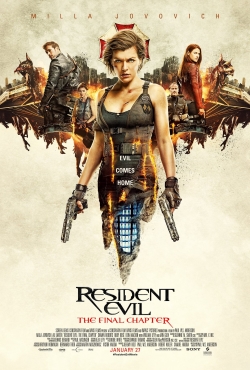
For the record, I have never actually played a Resident Evil video game. I have, however, watched them being played from the same sofa, and have gotten invested in them the same way you get invested in a very long slow TV show where zombies and Lickers can lunge out and chew on an identifiable main character. I am also moderately well-versed in the series’ lore, and I’ve watched the CGI anime movies. So I think I have at least a middling understanding of the franchise.
And I hate the movies.
Honestly, the movies feel like a thirteen-year-old girl’s fan-fiction, where the beloved main characters either do not exist, or are hollow inept sidekicks to the glorious all-powerful and beautiful Mary Sue. That is what Alice felt like to me. It also felt like Paul W.S. Anderson – who has produced maybe two adequate movies in his entire career – was making plots up based on other popular movies, and just slapping on superficial aspects of the video games to justify the name “Resident Evil.”
So I was pretty thrilled when I heard that they were going to be producing a Resident Evil TV series, because this was a chance to get it right. A fresh start! Maybe it would be something more faithful to the original games, with the Redfields, Leon Kennedy, Jill Valentine and Ada Wong.
Then… I read the information about it. It’s not about those characters. It’s about Albert Wesker’s made-up-for-this-TV-show-exclusively twin daughters, and we have more post-apocalyptic crap, just like in the movie series. As the final slap in the face, it’s being made by the same production company that gave us those crappy movies, executive-produced by a woman whose most notable success was Harriet the Spy, and written by some guy who’s given us about fifty million episodes of Supernatural. There’s really nothing to be optimistic about here.
I don’t know why it’s so hard for them to just make a good Resident Evil movie. I know that until Detective Pikachu you were lucky to get even a mediocre video-game movie, but… these movies already have their plots and characters sketched out for the filmmakers. Literally all you have to do is reshape the plot into a three-act structure, streamline the obstacles and quests, and add some dialogue. Voila! Movie!
And look at the characters! The characters of these games are iconic – not quite to the level of Mario, but they’re well-known and well-loved. I would love to see a movie about Leon Kennedy, Claire and Chris Redfield, Ada Wong and Jill Valentine. But in the movies, they’re either nonexistent or turned into pathetic defanged temporary sidekicks for the new characters that nobody likes.
I don’t care about Alice, no matter how much Paul W.S. Anderson wants me to because she was played by his wife. I don’t care about Albert Wesker’s newly-invented-for-this-TV-show daughters. I want Leon, Claire, Chris, Ada and Jill! JUST ADAPT THE GAMES! THE ONES FANS LIKE! But no, they’re doing the exact same thing that they did before – no attempt to make something that reflects the actual games that fans love to this day.
That’s why I’ve mostly stuck to watching the CGI anime movies based on the video games. They’re not perfect, and some of the CGI has aged, but it’s certainly better than the films.
THAT SAID…
I found out some utterly wonderful news last night. You see, there are actually twoResident Evil TV shows being produced. One is the above idiocy I whined about for so long. But there is another – a CGI anime being released on Netflix, which stars Leon and Claire… and which actually looks like a survival horror story. With an emphasis on “horror.”
And it looks… really good. Obviously you can’t tell quality from a minute-long trailer that is mostly Claire walking around an empty room, but the animation is good, the atmosphere is good, and it has Claire and Leon.
(I know Resident Evil games can have other protagonists, like the last game, but the adaptations should probably stick with established characters for the time being. Especially since the last original protagonist in an adaptation was… very very bad.)
Even better, I found out that they are rebooting the Resident Evil movies later this year… and while I can’t speak to the quality of the adaptation yet, the characters are Leon, Jill, Ada and the Redfields, it takes place in the 90s like the original game, and it’s apparently based on the first couple of games. I’m more cautious about this because… well, video game movies are almost always bad, mediocre at best, so I’m not going to get my hopes up. But the fact that it isn’t the Further Adventures Of Alice Doing Whatever She’s Doing really makes me hope it’s good and successful.
One of the many, many aspects of Teenage Mutant Ninja Turtles: Out of the Shadows that was a massive improvement on the not-very-good first film was Michelangelo. To put it bluntly, in the first movie Michelangelo came across as a budding sex offender – pretty much every single line he uttered revolved around his extremely sexual obsession with April O’Neil, often in very tonally inappropriate places. It was, to put it simply, creepy.
And yes, I know previous iterations of Michelangelo (the 1990 and 2003 versions) have asked “Can we keep her?” about April as well…. but that seemed a lot less sexual and lot more childlike.
Well, thankfully they dialed that back to a single joke line in the sequel (which he is immediately tased for), and Mikey even seems completely cool with the idea of April dating Casey Jones. Instead, he’s rewritten to be more in line with many other depictions of Michelangelo – a pop-culture-loving, skateboarding, soft-hearted sometimes-cloudcuckoolander, the most childlike and most loving of the four Turtles.
And they definitely made him a cloudcuckoolander, at least some of the time. In fact, it initially seems a little inconsistent – sometimes he’s just a little flaky and sweet, and sometimes he’s absolutely spaced out of what is going on around him and has no idea what people are talking about. Take the scene where Raph is running his master plan past April and Casey – Mikey’s only contribution is a strange, staring-eyed declaration of “You’re right,” and then he spends the entire scene eating pizza and not noticing what anyone else is saying.
And after rewatching the movie a few times, I think I’ve nailed down why. Mikey becomes a cloudcuckoolander and detaches from what is happening around him when he’s suffering some kind of emotional distress.
About halfway through the movie, Mikey overhears Leonardo and Donatello secretly discussing a purple alien goo that might be able to turn them into humans, or at least make them look human externally (the movie is little vague). Mikey then goes to Raphael and tells him everything – not because he actually wants Raphael to do anything, but because he just needs to vent his feelings. When Raphael predictably blows up and goes off to confront Leo, Mikey physically tries to stop him because he desperately doesn’t want his brothers to fight. It’s played for laughs, but his distress is very obvious.
Unsurprisingly, Leo and Raph end up angry at each other, having a fight, and eventually Leo and Donnie leave on a mission without Raph and Mikey. When Raphael rages about how he’s going to get his hands on the purple goo without Leo, Mikey… well, he agrees with Raph, but emphasizes repeatedly that he does not understand what Raph is doing.
This seems to be the first of the two situations in which Mikey goes cloudcuckoolander: strife in his family. He’s always at his best when he and his brothers are united, and when they work together, he seems fairly sharp mentally. But he seems to actively withdraw from the world around him when his brothers are fighting, because he cannot cope with it, and he cannot fix it by himself.
This also applies to taking part in Raph’s plan. Mikey goes along with Raph’s plan because… well, he’s kind of a people-pleaser. But he withdraws from the conversation when Raph is scheming behind Leo’s back, and drawing Casey and April into his plan. This is clearly not something Leo will put up with, so Mikey withdraws rather than taking an active role.
The other situation is after Raph and Mikey’s plan to infiltrate police headquarters goes boobies-up, and the brothers are all exposed to the eyes of the entire NYPD. Exposure is less upsetting to Mikey, however, than the reactions of some of the cops: they’re called “monsters” and treated with fear, horror and hate. This visibly hurts Mikey from the very moment it happens, even though it’s coming from total strangers.
When they return to the lair, Mikey reveals his hurt and misery to his father Splinter, who tries to reassure him, but obviously nothing your parents say is going to overcome rejection by the entire human race. And about a minute later, when Donatello identifies where Bebop and Rocksteady are, Mikey has become a cloudcuckoolander once again, giving a silly answer that doesn’t make any sense. Once again, he’s withdrawing from a situation that is hurting him, and only reemerges in subsequent scenes, where he and his brothers are more or less getting along and there are no non-villainous humans to hurt him.
I don’t know if this pattern was deliberately placed in the script by the writers, but it definitely does exist, and it honestly makes Mikey feel like a much more vulnerable and sweet-natured person. He just hates conflict among people he loves, and he wants to be loved and accepted for who he is rather than what he is. And who can dislike that?
All meditations on Mikey aside, I recommend Teenage Mutant Ninja Turtles: Out of the Shadows very highly. It’s not what you’d call a very good movie, or a particularly smart one, and it bungles the character of Casey Jones. But it does have a lot of love for the franchise and characters in general, and it makes you really like and feel the connection between the brothers.
And it enjoys throwing in over-the-top spectacle, such as the Turtles battling Rocksteady and Bebop on a crashing plane… using a tank. It’s wonderful. It’s just a fun popcorn movie, and no, you don’t need to have seen the first Bayverse movie to understand it.






 The Forest