I am old enough to remember before Google effectively ran the universe and Wikipedia was the main source of information, meaning that by Internet standards, I am pretty much Methusaleh. I also remember when phones plugged into the wall. But that means that I remember the days before you could go into a rabbit hole of information that could lead you to strange new obsessions in a matter of minutes.
Which brings me to Susanna Clarke. If you haven’t heard of Susanna Clarke, she is the brilliant author of the fantasy known as Jonathan Strange and Mr. Norrell, a story about feuding magicians in Regency England, with fairies and the Napoleonic War. If you haven’t read it, give it a try. It’s like if Jane Austen decided to collaborate with Diana Wynne-Jones – if that sounds good to you, you might enjoy it. Also, the miniseries the BBC adapted from it is quite good as well.
But that book is not what I’m talking about. I’m talking about Piranesi, her not-yet-released third book/second novel. The book is apparently about an infinitely large and complex house with an ocean within its walls, and it sounds like there may be something about parallel worlds or something like that. The summary is a little blurry, but that’s probably because it isn’t a “regular” fantasy novel, and there’s an element of mystery.
But I decided to google “Piranesi” to learn more. And lo and behold, I found very little information about the novel, and quite a bit about one Giambattista Piranesi, who lived in the 18th century.
Unlike some, I am not going to pretend that I knew all about Piranesi in order to sound more sophisticated. I freely admit that there are artistic spheres, genres and disciplines that I know virtually nothing about, because I either have very little interest in them or have not had the chance to study them extensively. Etchings are one of these areas.
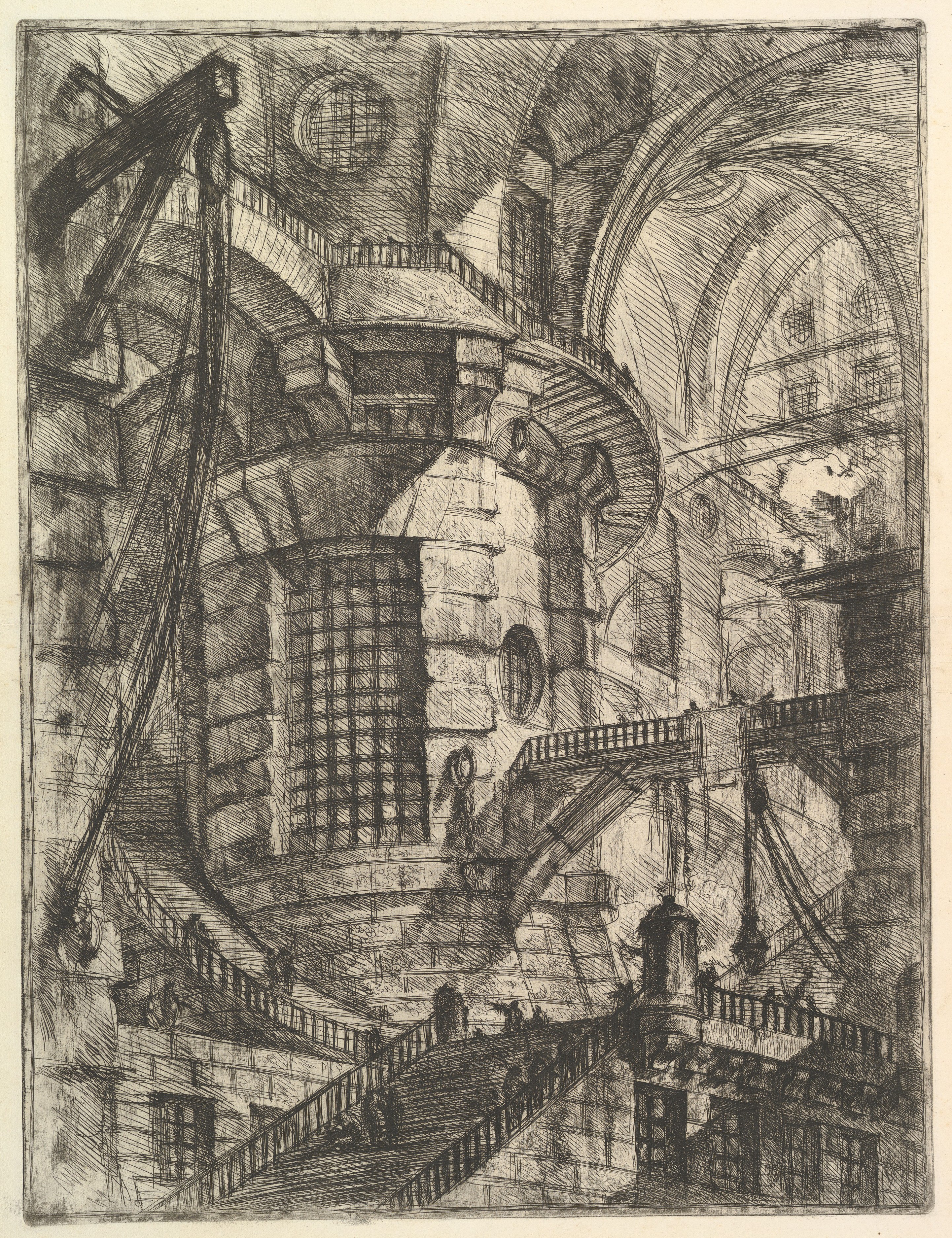
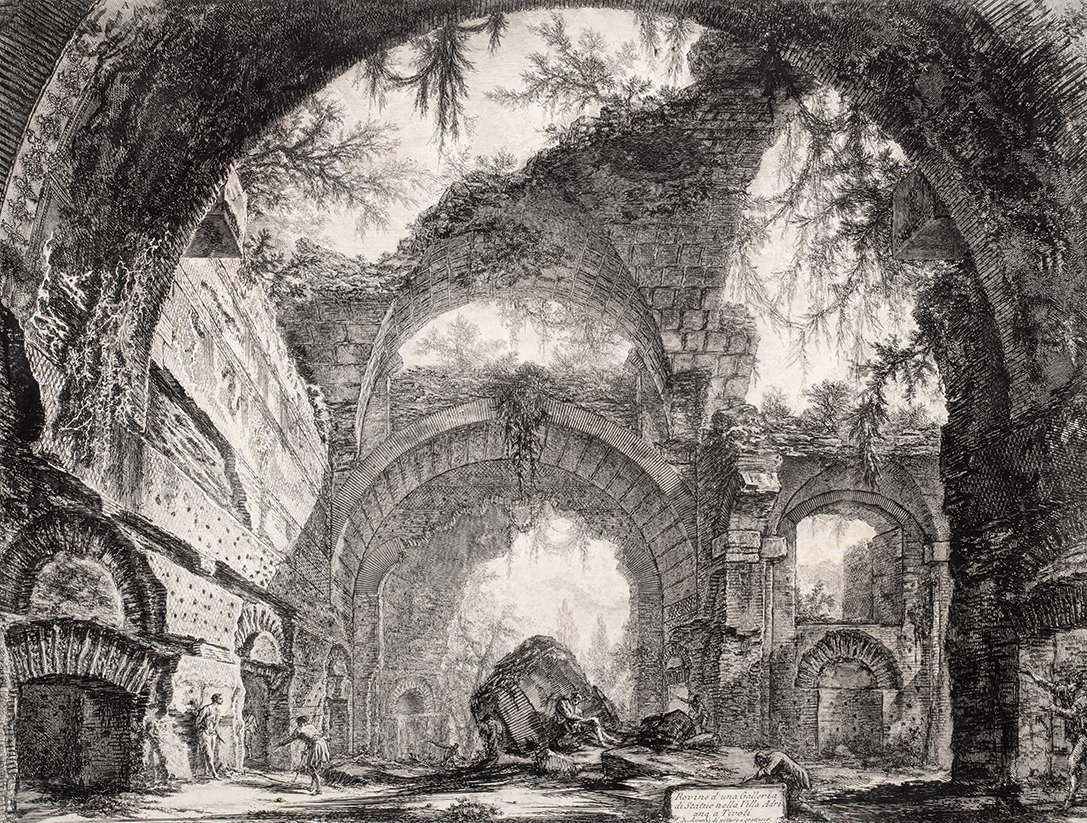
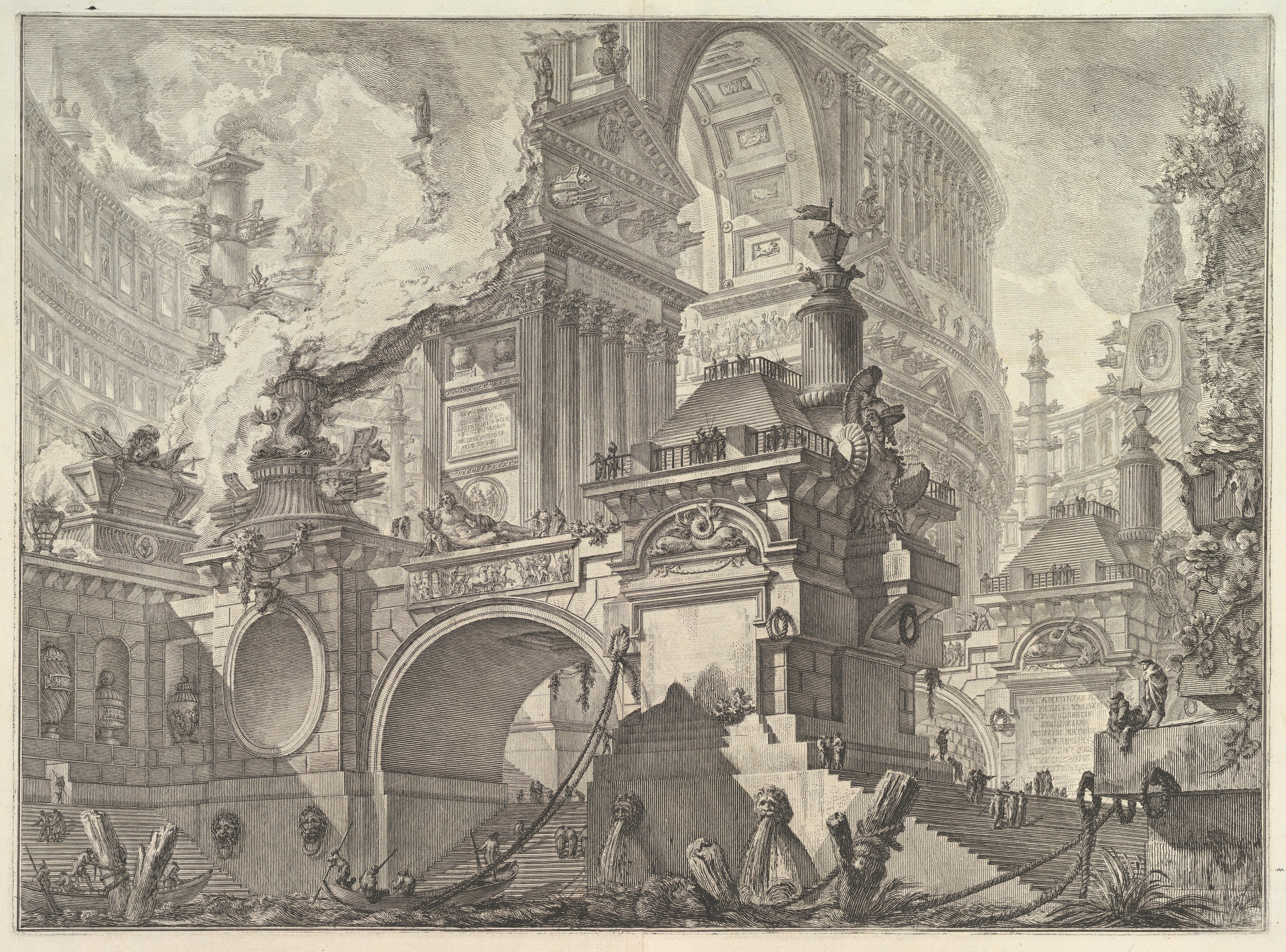
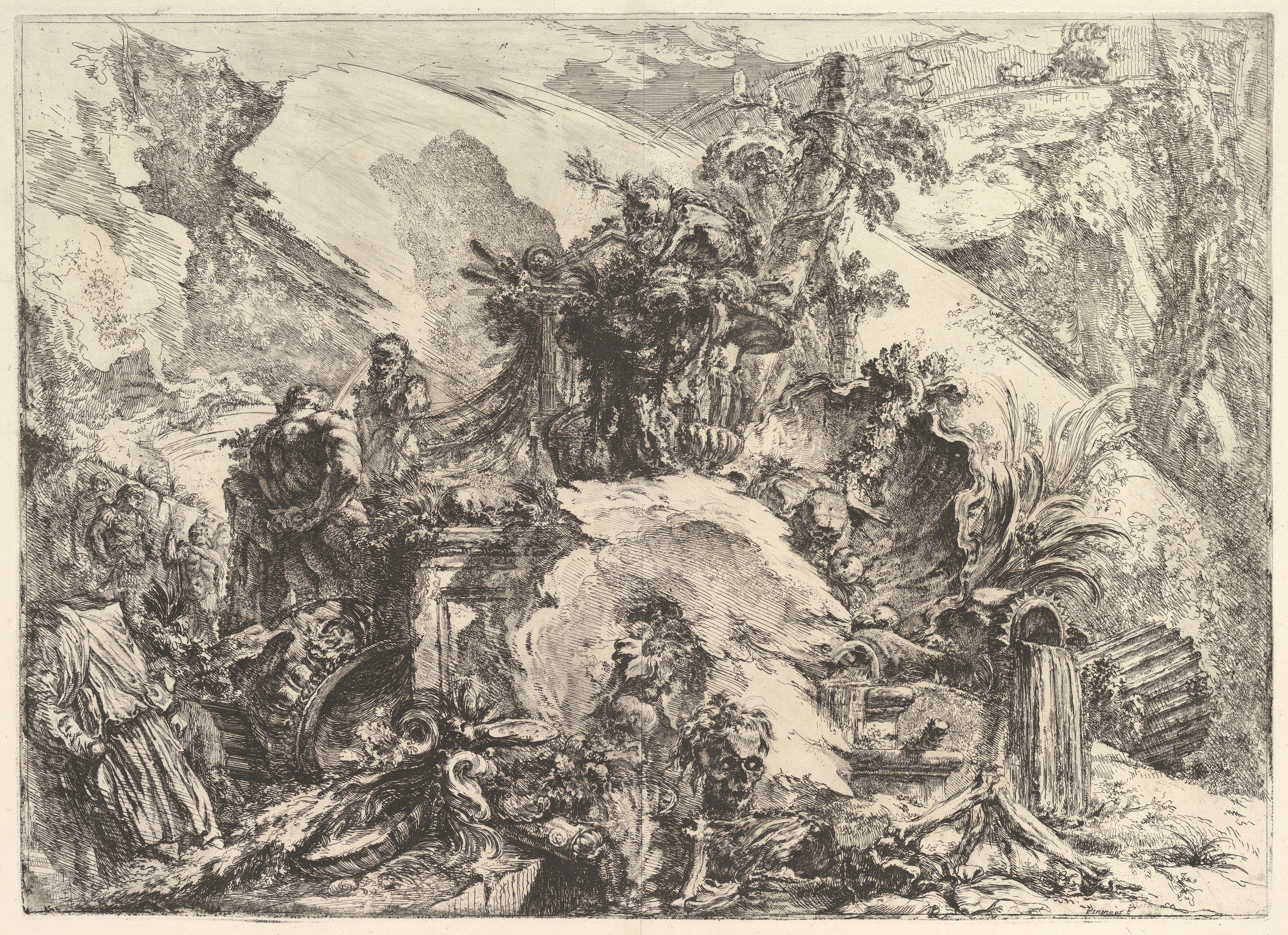
But I really was swept away by Piranesi’s artwork.
I don’t know about Clarke’s creative process, because to my knowledge she does not have a website or social media. But I wonder if these etchings in some way inspired the novel Piranesi. Not necessarily in the sense of the plot, because as far as I can tell, Piranesi’s etchings don’t really have a “narrative” that you can discern…
… but more in the sense that some of these etchings give a sense of structures with immense space, age and complexity. Sometimes they feel downright fantastical or otherworldly. And that sounds like the aesthetic for the House in Piranesi.
So nothing too deep, just me sharing that I like Piranesi’s etchings, and I wonder if Clarke was inspired in some way by the aesthetic of his architectural studies.
Also, check out Piranesi when it comes out. And read Jonathan Strange and Mr. Norrell. That’s all.
Two things to keep in mind about “Superman/Batman: Apocalypse”:
Yes, it is a sequel to “Superman/Batman: Public Enemies,” but aside from a single line by an unnamed extra, there is no real connective tissue between these two films. If you ignored that one line, this movie could be watched on its own.
It’s not really a movie about Superman and Batman directly teaming up. They work together as part of a team, but the movie is not really about them doing stuff together – or about Wonder Woman, who does her fair share of fighting and bickering alongside the men.
No, the movie is really about Supergirl and her relationship with the DC trinity – especially Superman – even as she tries to find a place for herself in a new alien world. And as the title might have tipped you off, DC’s most legendary heroes are going up against their enemies from the hellish planet Apokalips, led by the cruel Darkseid. Don’t worry – all three of them, plus Big Barda, get their chance to shine in combat.
A massive chunk of Kryptonite lands in the water near Gotham City, and turns out to have a pod with a naked girl inside. She soon exhibits powers similar to Superman’s, which she isn’t very good at controlling, causing quite a bit of mayhem until Batman subdues her. Superman quickly discerns that she is his cousin Kara, but Batman is suspicious of her – especially since Kara’s control of her strength and heat vision is still not particularly good even after weeks of learning.
So he enlists Wonder Woman to take Kara to Themyscira, where she can be trained away from ordinary humans. But there’s another reason for this change: a minor superhero known as Harbinger has been having visions that seem to bode ill for Kara.
Well, to put it simply, the visions come true – Themyscira is invaded by cloned enemies from Apokalips, and Kara is kidnapped by Granny Goodness and Darkseid. Obviously Superman, Batman and Wonder Woman are going to Apokalips to get her back, and they have to enlist the reluctant Big Barda to help them get there. But getting to Apokalips is the easy part – the hard part is getting Kara, and getting back alive.
I must admit, I was slightly disappointed that a movie titled “Superman/Batman: Apocalypse” didn’t feature much of Superman and Batman teaming up – they work together, but it’s mostly in independent ways. In fact, there’s some friction between Superman and both Wonder Woman and Batman, since he’s annoyed by Batman’s suspicious nature and Wonder Woman dragging his cousin into combat training on Themyscira rather than letting her have a normal life.
What the movie is really about is Kara seeking a place for herself in this new world of hers. It threads through the entire movie, right to its end, including her stint in Apokalips. Flaws? Well, it feels like the movie avoids the longer-term psychological effects of Kara being brainwashed and forced to do terrible things. She just kind of snaps out of it, like a binary good/bad switch has been flipped.
But don’t worry, the main trio get plenty of screentime – all three kick considerable amounts of butt, from an army of Doomsday clones to Granny Goodness’s female Furies. Batman seems a little too tough for a mere ordinary human (he survives being eaten by a giant dog), but otherwise the fight scenes are gritty, expansive and full of nightmarish scenery to get smashed through.
It also highlights their different personalities and ways of approaching problems: Batman is suspicious and protective of those close to him, Superman is idealistic and overprotective of his cousin, and Wonder Woman is practical and caring in a no-nonsense way. And Big Barda rounds out this little cast, a strong but scarred woman who cherishes the “boring” life she has, because she has lived in the hellscape of Apokalips.
“Superman/Batman: Apocalypse” has a slightly deceptive title, but is a solid, fast-driving movie that shows this superhero trinity at their best. If you want a DC animated movie, this is an enjoyable way to spend an afternoon.
My most beloved genres are science fiction and fantasy… fantasy a little more than sci-fi, since I have limited tolerance for the intolerance of many sci-fi writers. But when I was but a wee cynic, I was a devoted watcher of murder mysteries – Agatha Christie stuff, some Ngaio Marsh adaptations, and the wonderful Murder She Wrote. Some of my earliest television memories are of these shows.
And I still do watch mysteries now, although a lot of the more recent Christie stuff has turned me off. I tried watching Scandinavian murder mysteries, but they… how do I put this?… made me want to blow my brains out because everything is so overcast, depressing and bleak. Wales is a close second with Y Gwyll. So I get a great deal of my murder mystery viewing from merrie olde Englande.
But there’s a big exception: The Brokenwood Mysteries, a charming little series from the beautiful land of New Zealand, the country of Lord of the Rings and Flight of the Conchords. If this is what this country has to offer, I would love to see more mystery series from them.
Part of that is the energy that New Zealand seems to have. Now, I admit I have never been to New Zealand, and I don’t know a lot of people from New Zealand. But the people I have met and the media I’ve consumed from that country give off a very mellow feel – not pushovers, but people who don’t get too overexcited, too bleak or too angry, and are generally pretty welcoming and pleasant. That’s the energy this has, even in its darker episodes or when it tackles serious topics like molestation.
So this series takes place in the town of Brokenwood, which starts out as a quaint little small town but acquires new attractions and institutions every time it needs them (like a women’s prison, several wineries, a major country music show, a whole steampunk community and a historical village). It’s kind of like Cabot Cove in that regard. The main detective is Mike Shepherd, a much-married-and-oft-divorced detective who moves to Brokenwood (and buys a house with a failing vineyard) after solving a complex case that stems from a botched murder investigation years earlier. I’m not going to tell you what that case was, because I really want you to watch the show yourself.
But the thing is, Mike is very quirky. He’s a country music enthusiast with a love of vintage stuff (sort of like a middle-aged hipster), and he has conversations with murder victims. He’s backed by the less quirky younger cops, Detective Kristin Sims and Detective Constable Sam Breen, who are relatively normal. Breen does have some comic relief, though, because every single interview he does with a suspect – and sometimes with people who aren’t suspects – ends up a disaster. For instance, he ends up in the wilderness with possum fat on his face. Or a mental patient takes apart the interview table. Or he has to deal with a UFO conspiracy theorist.
There’s also Dr. Gina Kadinsky, a hilarious Russian medical examiner who has all sorts of weird proverbs and sayings and viewpoints that always have Mike off-kilter. Also when someone gets stabbed, she will bring out slabs of meat and stab them with different implements to see what probably did it.
There’s also an array of supporting characters who cycle in and out of the various episodes over the length of the series, including:
Jared Morehu, a Maori man who lives next door to Mike, and who is a sort of local jack-of-all-trades who sometimes helps out.
Frodo, a rather unfortunate little man who goes through various jobs and tends to accidentally be close to suspects and crime scenes.
Mrs. Marlowe, a very socially active old lady with a very lurid imagination.
Dennis Buchanan, an annoying lawyer with an…. interesting sex life.
Ray Neilson, a local grumpy pub owner who runs a Lord of the Rings-themed tour on the side and occasionally gets drunk with country roadies.
And there are a bunch of other characters who float in and out in various episodes, and there’s no way of knowing what part they’ll play. A suspect from an early episode is a murder victim later on. Another recurring character turns out to be a murderer. But it really gives a feeling of an actual community to have characters floating through in different places, knowing each other and being fleshed out with their subsequent appearances.
I may be making The Brokenwood Mysteries sound like it’s almost comedic, but it’s not. It does have a lot of moments and characters who are lighter-hearted compared to many American or British shows – or, heaven forbid, Scandinavian shows – but it does give due gravity to serious, sad topics that are central to the plots, like gaslighting, molestation, infidelity, and so on. Sometimes it ends on a relatively downer note, even if the bad guy is caught.
But I also don’t want to make it sound too depressing. The murders are pretty colorful and varied, not just your garden-variety poisonings and stabbings – some are lurid, some are bizarre (caffeine poisoning), some will make you wince (the skydiving incident), and so on. But they are very rarely boring murders; there’s always something like a tanto or a dead bride to keep things interesting. Then Breen will have a nightmarish time talking to suspects, Gina will say or do something weird, Mike will go on about country music or his old car, Kristen will make coffee and it will be bad… and you’ll smile despite all the blood and death.
And furthermore… Brokenwood just has a very oddly homey, welcoming feeling to it. Despite the high murder rate, it feels like a place you would want to live – it’s small-towny and close-knit, but at the same time it’s full of interesting people and things. And that mellow, laid-back feeling of New Zealand media just adds to the feeling.
So if you like murder mysteries, or New Zealand, or both… check out The Brokenwood Mysteries. There have been twenty-four hour-and-a-half-long episodes thus far, and it’s a good series to binge.
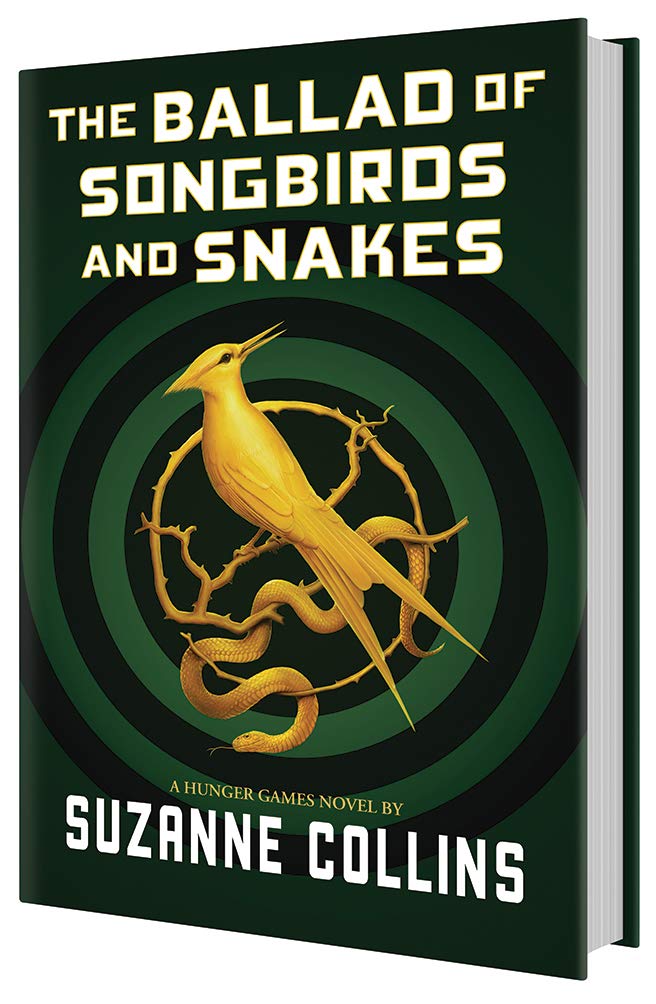
In the time of Katniss Everdeen, Coriolanus Snow is the tyrannical president of Panem, a cruel man who uses the Hunger Games as a weapon against any who would rebel. But once, long ago, he was just a aristocratic teenage boy in the Capitol, raised in the shadow of a terrifying rebellion that gave birth to the Hunger Games.
The Ballad of Songbirds and Snakes is a look back at the early days of Panem’s dystopian tyranny, and a glimpse of how Snow turned into the president he would later become. This tale is a very different one from Suzanne Collins’ other Hunger Games tales, whether it’s the third-person narrative, the cold and ambitious protagonist, or the general feeling of hopelessness and ruin that you know is not really going to get any better.
Born to the purple but raised in poverty, Coriolanus Snow is the only hope his grandmother and cousin Tigris have for any kind of comfort and dignity. He has to acquire a university prize and brilliant career in the upper echelons of the Capitol’s society, without ever betraying that he and his family are surviving on boiled cabbage and old outgrown clothes. If not, the Snow family will descend into… well, being ordinary poor people in the Districts, and Snow can’t bear the thought.
But then he’s dealt a blow. When various young mentors are assigned to the Hunger Games tributes, he’s given the girl tribute from District 12: Lucy Gray Baird, a strange girl with a luscious singing voice and plenty of stage presence. Though he thinks she’s crazy at first, Snow is determined to make the best of his assignment, and he even begins to believe that Lucy Gray’s charm and charisma can somehow help him.
The days before the Tenth Hunger Games are cruel to both the mentors and the tributes – there are bombings, venomous snakes, torture, and the psychopathic Dr. Gaul. But Snow’s efforts to save Lucy Gray from death in the arena, based on both his growing feelings and his desperation for success, will push them both to terrible extremes – revealing to Snow who he truly is, and what he’ll do to save himself.
In The Hunger Games, Suzanne Collins depicted District 12 as a painfully impoverished place where starvation was only a missed meal away. And in The Ballad of Songbirds and Snakes, she depicts a different kind of poverty in the Capitol – it’s a relatively luxurious place full of wealth and parties, but there’s a rotten layer to this crumbling society, a sense of dark decay that underlies Snow’s world. And she reminds us constantly that the Capitol is still scarred by the war between Panem and the rebels, which got so bad that wealthy people cannibalized their servants in the streets.
Collins also switches up her writing here – rather than the first-person perspective of the Hunger Games trilogy, she relates Snow’s teenage adventures in the third person. Her prose is tense and taut, with moments of horror (the deaths of some of the tributes) or chilling sadness (“Tell her… that we are all so sorry she has to die”) spattered across it. The plot does grow less intense after the Hunger Games, when it seems like Snow has had to embrace a new life, but then takes a sharp twist into tragedy.
And though he’s the protagonist, Coriolanus Snow is never quite a likable person. We know where he’s coming from and what drives him, but he’s still a very chilly, proud, selfish person motivated by a belief that he is genuinely and inherently better than everyone else. When he’s around Lucy Gray, Collins slips in some actual human emotion, which builds up gradually throughout the book… but Collins never lets us forget for long that he’s not a good person, as seen when he talks about killing the mockingjays.
And he’s backed by characters who aren’t necessarily what they seem. While there’s the compassionate and slightly melodramatic Sejanus as a counterpoint to Snow’s more amoral approach, Lucy Gray is an elusive, mercurial presence that is hard to nail down. And Dr. Gaul is genuinely scary, a mad scientist who apparently does mad science entirely because she can.
There’s a deep sadness at the heart of The Ballad of Songbirds and Snakes – a knowledge that this is a story that can’t have a happy ending, and can’t have a hero. But it is a fine dystopian tale, giving greater depth to the history of Panem.
I absolutely love the overall work of Marissa Meyer. No, not the ex-president of Yahoo!, but the author of assorted sci-fi and fantasy books, most notably the Lunar Chronicles series. I’ve read all her books to date, and I’ve enjoyed them all except for the Alice in Wonderland prequel Heartless. Please let it be noted that I am not saying Heartless is bad, because it’s not. It’s objectively quite good. I just didn’t enjoy it because it’s a very bleak, rather depressing book. If you enjoy that sort of book, by all means, descend upon it like a swarm of locusts and gobble it up.
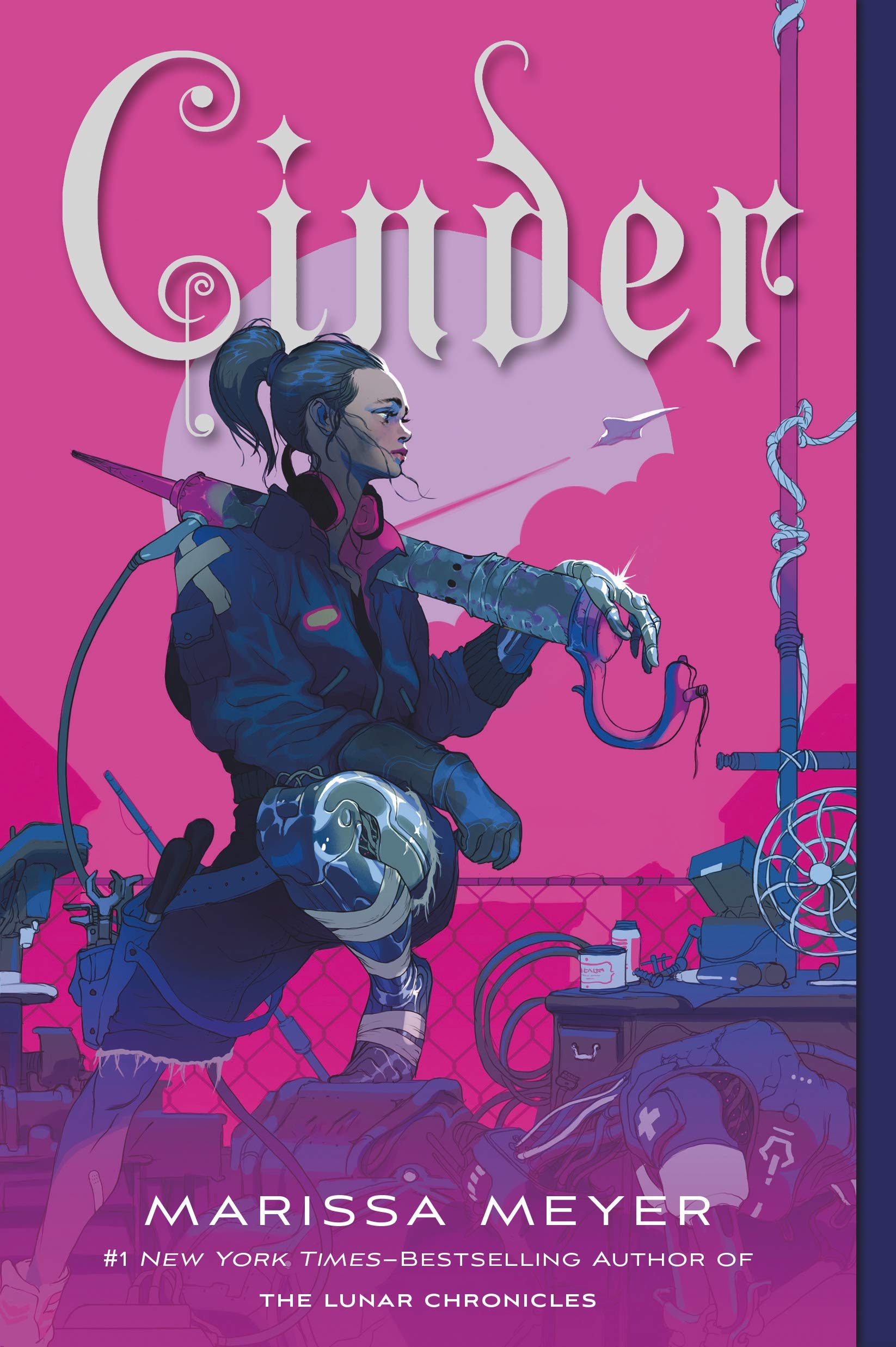
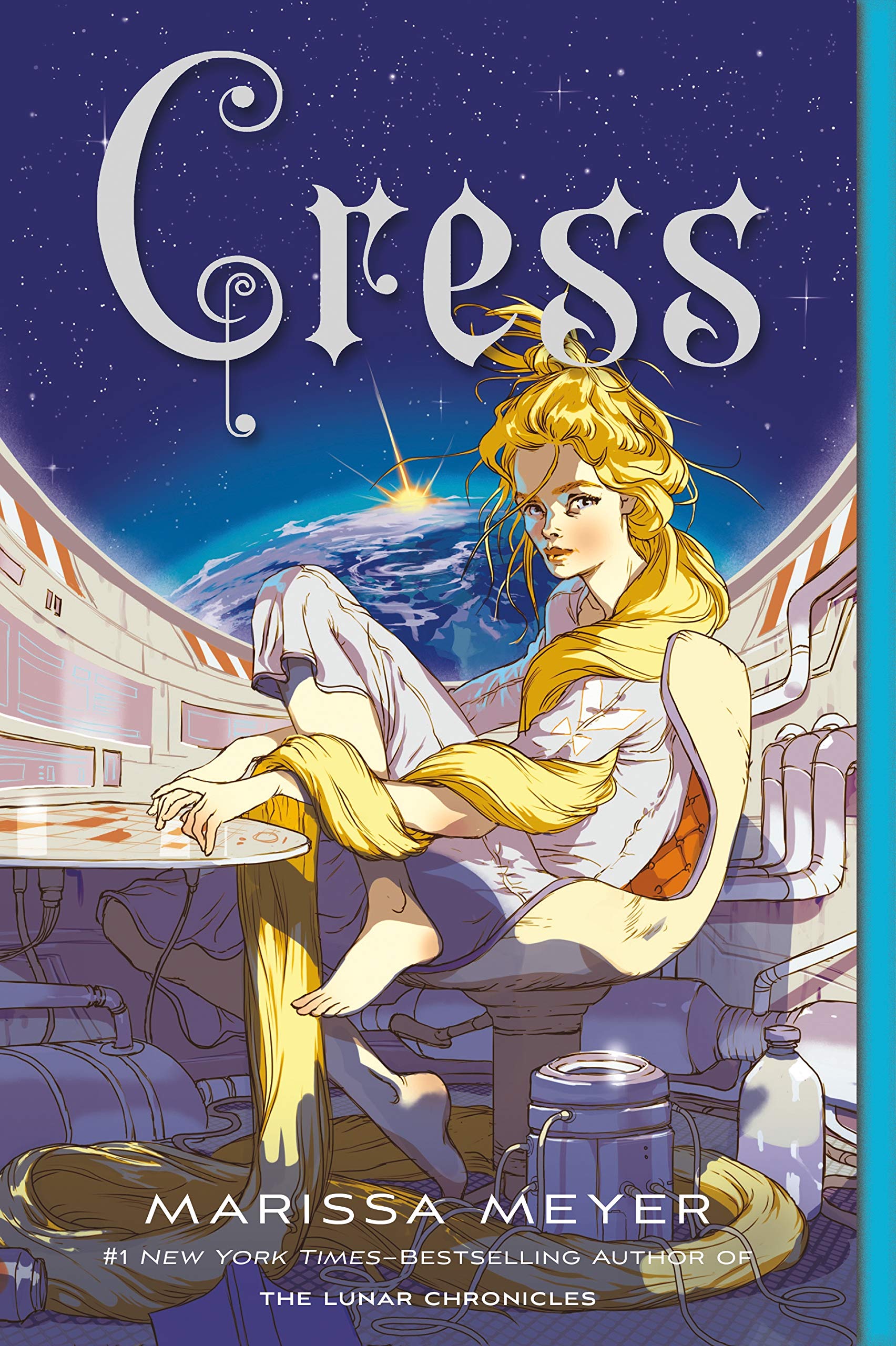
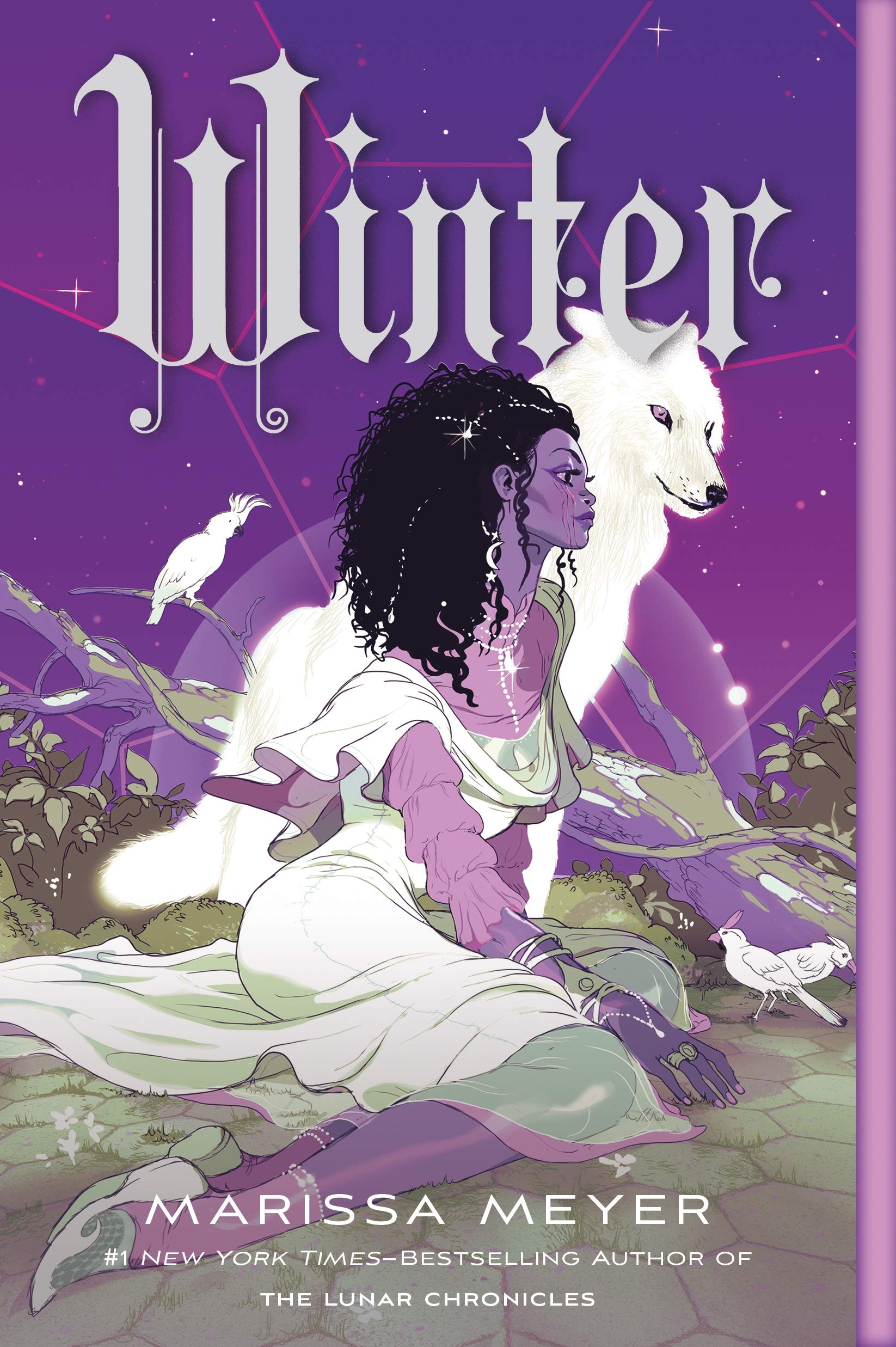
And like most of her readers, I was first introduced to Marissa Meyer through the Lunar Chronicles’ first volume, Cinder, which is a retelling of the Cinderella fairy tale with an Asian sci-fi twist, with interstellar politics and a plague. I won’t go into too many details about the overall plot, which stretches over four books, a prequel, a collection of short stories, and a sequel two-part graphic novel. But suffice to say that each of the main books focuses on a fairy tale that is reimagined in a sci-fi setting – Red Riding Hood, Snow White, Rapunzel – which is folded into Meyer’s universe of the oppressive Lunar civilization, a plague, futuristic unified versions of Africa, Asia and Europe, and so on.
So if you enjoy science fiction, or if you enjoy fairy tales… or both… this is a good young-adult series. It also has some pretty healthy romances in it, while still including some superficial bad-boy/Prince Charming archetypes.
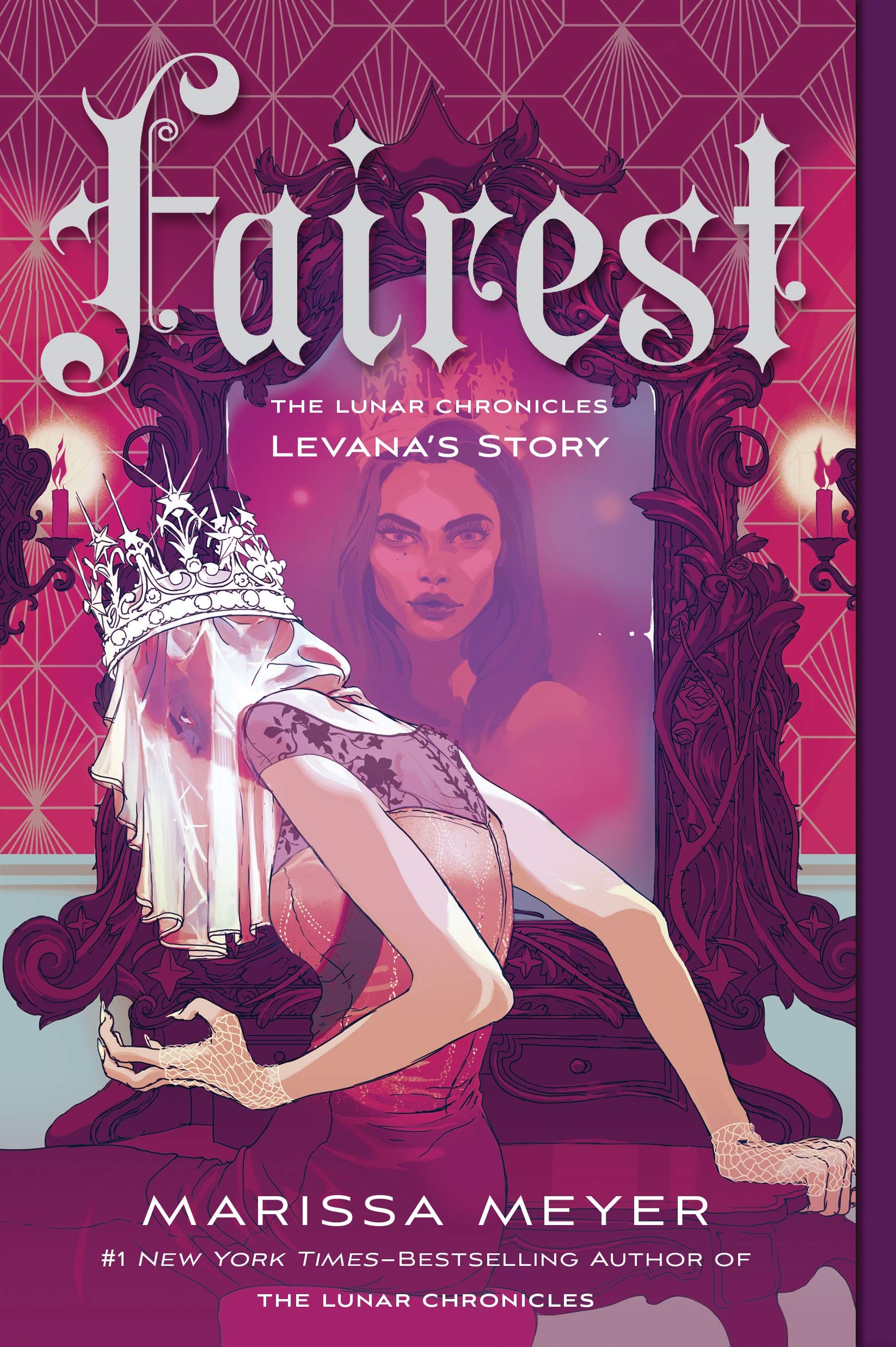
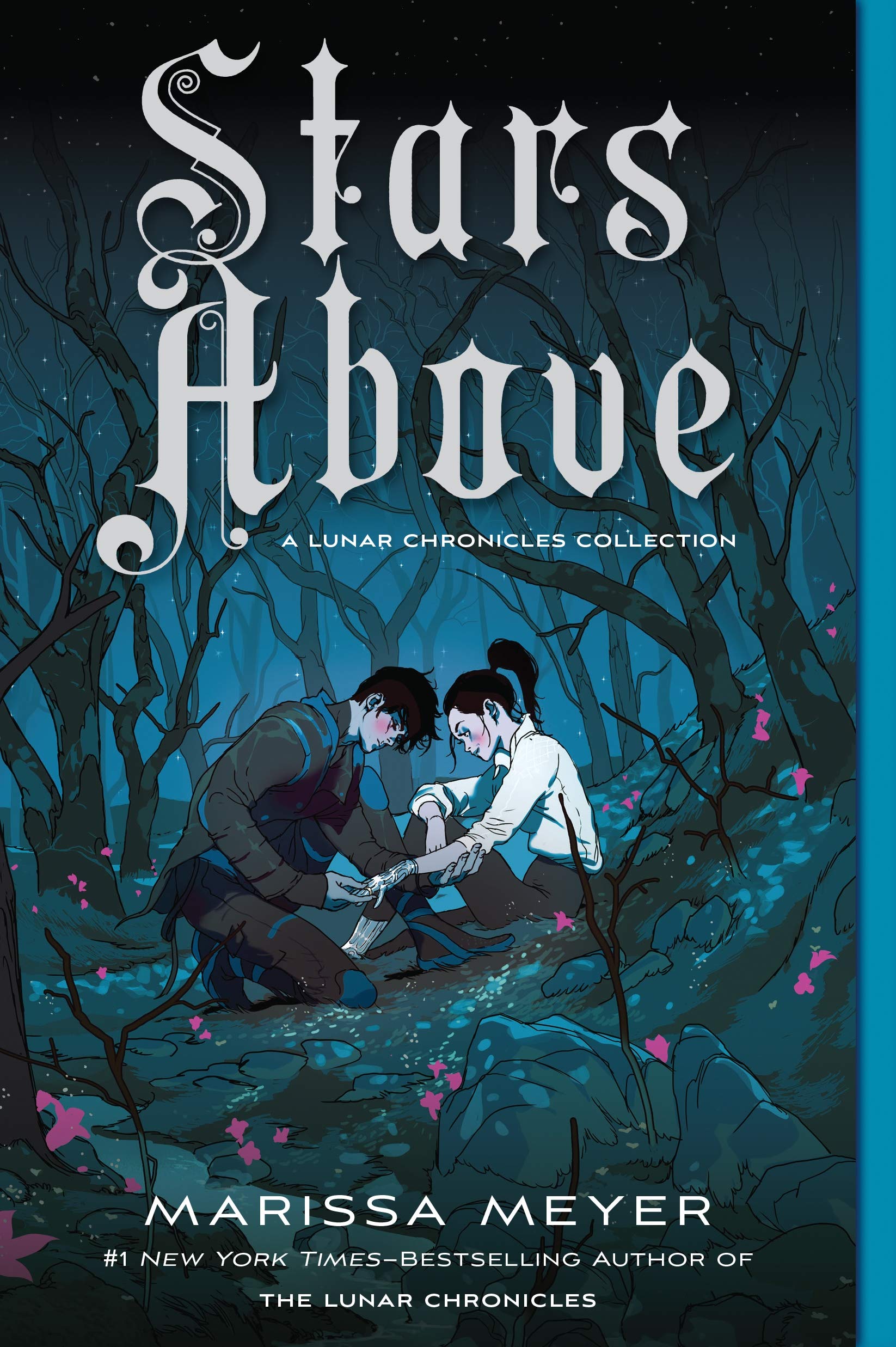
The original covers were fairly pretty, but I absolutely love the new covers that they’re rereleasing the books with. As in, I might buy the books again so I can possess these beautiful covers.
Also, read the Renegades trilogy. It’s also very good. Maybe I’ll babble about that later.
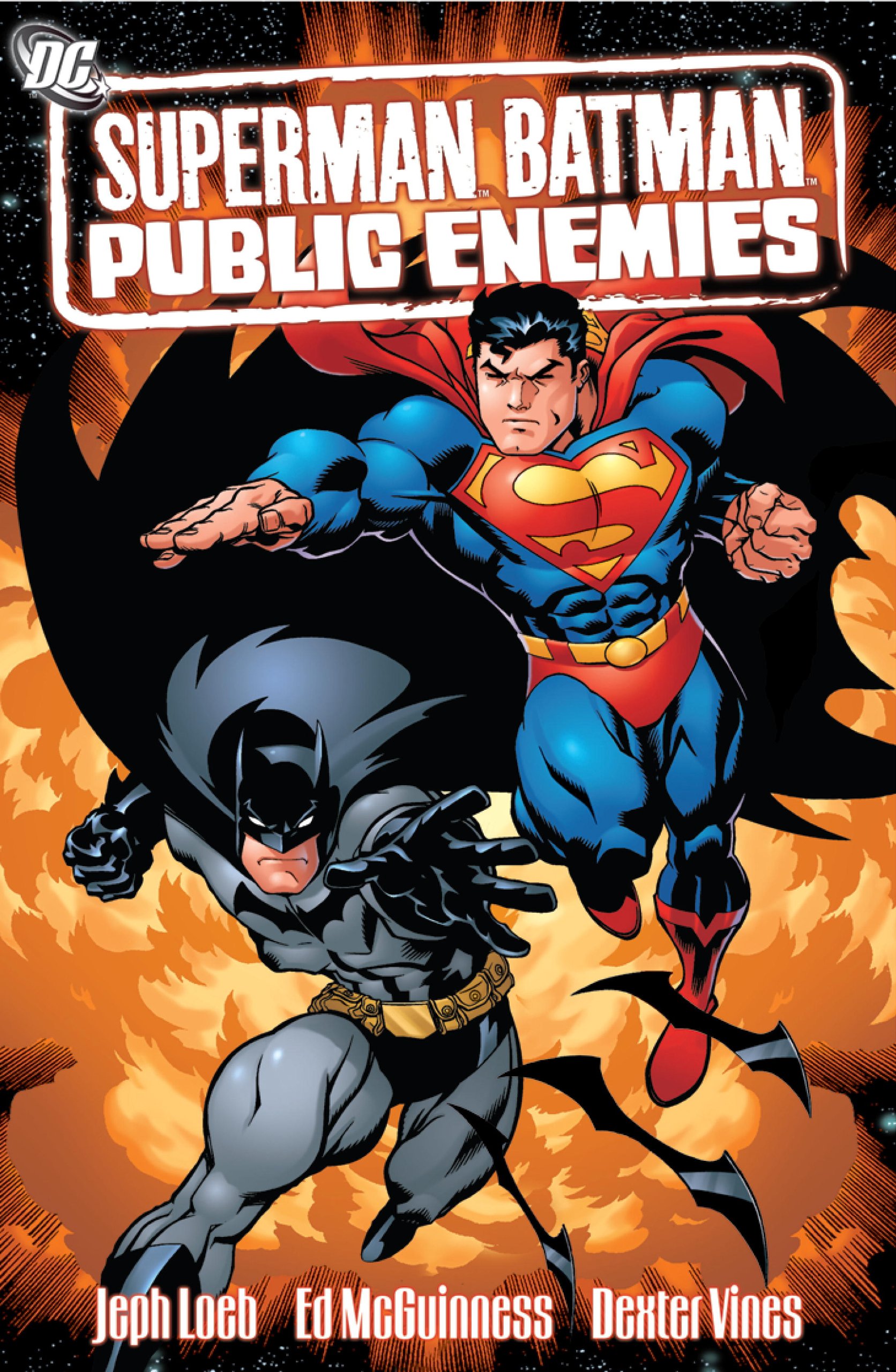
For the record, the title does not refer to Batman and Superman being enemies with each other, as in Batman v. Superman. No, this refers to the two most famous superheroes in the world being enemies of the public. Or more precisely, the U.S. government, which is not the same thing at all.
And that concept is enough to carry most of Superman/Batman: Public Enemies, with Superman and Batman going up against progressively more powerful enemies from both the hero and villain categories. But the real meat of the movie is the powerful friendship between two very different men, one an energetic and morally-powerful alien and one a dark brooding guy with problems expressing his feelings.
After the American economy collapses, Lex Luthor runs for president as a third-party candidate, and somehow manages to win despite his past as a supervillain. A third-party candidate winning? Now you know comic-book stories are science-fiction.
However, Superman bluntly refuses to believe that Luthor has reformed, and believes this is all some kind of elaborate scheme. And his suspicions are apparently proved correct when Luthor arranges a meeting… which turns out to be a trap so that his old enemy can be taken down by Metallo. Batman manages to rescue Superman from Metallo’s ongoing attack, but soon Superman finds that he’s been framed for Metallo’s murder.
Also, a meteorite made of kryptonite is about to smash into the Earth, and Luthor has appointed himself the Big Brain who can save us all from it. This will be important.
Claiming that the kryptonite meteorite has driven Superman insane, Luthor puts a bounty of one billion on his head – and now Superman and Batman are up against money-hungry attackers from both the villain and hero sides of the aisle. And their enemies are getting progressively more powerful as they approach Luthor, even as they try to come up with a solution to save the Earth from total destruction.
Speaking personally, I really enjoy the friendship between Batman and Superman, primarily because their relationship is a study in contrasts. Superman is open, emotional, bright and sunny, while Batman is taciturn, emotionally reserved, dark and more than a little weird. And yet they are both noble and deeply moral at their core, which is what makes them so compatible despite their differing outlooks and ways. That aspect of their friendship is what makes Public Enemies such a rewarding experience: seeing their bromance and how they uncomplainingly support and protect each other no matter what.
And while they do that, they’re also in a series of superpowered punch-’em-ups that pit them against a variety of enemies, ranging from the relatively obscure (Black Spider, Nightshade) to the famous (Captain Marvel, Hawkman). Some of these fights are pretty intricate and harrowing, such as Metallo shooting Superman with a sliver of kryptonite. And in between, we have some quieter moments such as Superman and Batman making their way through the sewers, having odd little discussions about the supervillains they’ve defeated over the years.
It also has a pretty excellent voice cast, with the trinity of Kevin Conroy, Tim Daly and Clancy Brown as Batman, Superman, and Lex Luthor. Conroy and Daly are typically excellent in their roles, and Brown plays both the oily, cruel Lex and the cuckoopants Lex with equal aplomb. C.C.H. Pounder is also excellent as Amanda Waller, who serves as a blunt-spoken counterbalance to Lex’s delusion and egotistical hubris. Allison Mack’s performance as Power Girl is rather flat, though.
And the animation is pretty clean and well-done. The only problem I have is that the superhero costumes are beyond skin-tight – the male characters have abs so perfectly-outlined that it looks like they’re all smuggling bags of oranges. As for Power Girl… let’s just say we know for a fact that she isn’t wearing a bra.
If you like the friendship between Batman and Superman, than Superman/Batman: Public Enemies is the movie for you. If you like cleanly animated, action-filled superhero adventures, then it works too.
And before anyone gets mad, I am speaking of the 2019 reboot of Hellboy, not the excellent comic book series or Guillermo del Toro’s also-excellent movie (or its also-also excellent sequel).
This movie is genuinely hard to watch. And I don’t say that because it’s needlessly gory in a “I AM SO EDGY IT’S NOT A PHASE MOM” kind of way. It is hard to watch because there are so many “why” and “why is this in the movie” and “this is pointless” and “this person’s accent is very bad” moments. Why did they hire two Americans to play two English people, especially when one of those English people was an American in the comics? And neither of them is good at accents?
And there is so… much… infodumping. It feels like every person we encounter pelts exposition at us until the “welcome to the BPRD” scene from the 2004 film feels like a gentle breeze wafting over my face.
And why the hell is Lobster Johnson in here? Sure, I know who he is -because I have no life and my brain overflows with trivia that nobody cares about – but can you imagine being some ordinary person going to see a movie about a demon paranormal investigator, and then randomly this other character takes over for an important scene with no explanation? And you have no idea why he’s important, or why he’s in the movie. It would be like including Tom Bombadil in the Lord of the Rings movies.
So yes, this movie is a mess in every sense of the word. Also, the CGI in certain scenes is… disgracefully bad. Those giants literally do not look finished.
Kiera Cass began her publishing career with a dystopian series about a young woman’s part in seeking a royal’s hand in marriage. I guess now that dystopian sci-fi is no longer in vogue and high fantasy is popular in the young-adult market, she decided to tackle the same material in a high fantasy setting.
Unfortunately, the whole girl-in-the-running-to-marry-a-monarch story is much less compelling or unique when it takes place in a Generic Medieval Kingdom with a Generic Monarchy and a Generic Court. “The Betrothed” isn’t a bad novel in any way, but Cass simply doesn’t draw anything unusual, rich or nuanced out of her story. Every part of it is more or less predictable from the beginning.
Over the past year, young King Jameson has had flirtations with several young ladies, but has never shown serious intentions towards any of them. Hollis Brite initially believes she is just another one, but then Jameson starts showing interest in making her his queen. At first, Hollis is overjoyed – despite her controlling parents, this means she will be a vital figure in a kingdom known for powerful queens. Plus, Jameson is handsome, charming, and he dotes on her, so what downside is there?
But the pressures of royal life begin to weigh on her when the king and queen of neighboring Isolte come to visit, and Hollis begins to wonder if Jameson wants her to take an active role in the kingdom, or just be an ornamental bit of arm candy. She’s also developed an interest in Silas, an Isoltan nobleman who has… blue eyes. That’s about all that is memorable about him. But pursuing her heart has some unpleasant results for Hollis, and sets her on a path that she never imagined.
The biggest problem with “The Betrothed” is simply that it is so generic. The setting is a generic European country that you would find in any fairy tale, without any special cultural flourishes. The worldbuilding is not very rich or deep, and the court drama/machinations are pretty simple. The main story is essentially telling us that you should marry for love and not money/power, which is not a particularly unusual moral for this kind of romantic story. It’s the kind of thing you find in Disney stories.
Cass herself seems to realize that her book is pretty by-the-numbers late in the story, which is when she flips everything on its head and stuff gets dramatic and unconventional. It’s given some foreshadowing in advance, but it could have used some more – instead, a massive development sort of pops out of nowhere, and everything is left hanging on a precipice for what will presumably be a sequel.
Hollis is a pretty bland heroine. There’s nothing about her to explicitly dislike, but she seems very sheltered and kind of clueless about how royal life works. For instance, it comes as a massive shock to her when she discovers that Jameson is already making marriage arrangements for their not-yet-conceived children, which really feels like something she should already know if she’s in the nobility. We’re told how amusing and caring and charming she is, but only some of it filters through.
As for the other characters, few of them make much of an impression – most of them flit into the plot for awhile, then just sort of fade back out. Silas doesn’t have much chemistry with Hollis – as nice as it is to have a pleasant, non-threatening romantic lead, he really felt more like a friend than a lover.
And of course, Delia Grace. Delia Grace is, simply put, obnoxious – we’re assured that she has suffered extensive bullying at court, but that doesn’t really excuse her selfish, bratty, contemptuous behavior towards Hollis. Her jealousy doesn’t elicit sympathy for her life; it just makes me want her gone.
“The Betrothal” throws some curveballs in its final act, but everything that builds up to it is incredibly generic and by-the-numbers. Here’s hoping that Cass brings us something meatier for the sequel.
There are certain things that are just objectively true. Water is wet. The sky is blue. The Pope is Catholic. Gingers have no souls. Michael Bay’s Transformers movies are incredibly bad.
And while the first live-action Transformers movie is not the mind-blowing trainwreck that many of its sequels would become, it’s still a terrible movie. It’s a bloated, sluggish mass of sexism, racism, ‘splosions and horrible comic relief, overflowing with characters that annoy me to the point of frothing madness. It’s a movie that seems to stretch forever until my patience is on the verge of snapping… but not quite dull enough to actually be called boring.
A teenage boy named Sam Witwicky (Shia Labeouf) finally gets his first car – a used yellow-and-black car that somehow blasts out the windows of every other car on the lot. No, it’s not possessed – it’s just an alien robot in disguise. Which is better, I guess.
At the same time, mysterious shapeshifting robots are attacking a U.S. military base on Qatar, downloading classified information and attacking various noble, two-dimensional soldiers. These hostile alien robots, known as Decepticons, are actually trying to locate and attack Sam because they want the old family heirlooms that he’s trying to sell on eBay. Specifically, they want a pair of old broken glasses that belonged to his ancestor. Yes, he thinks he can get a lot of money for broken antique glasses. Sam is not very smart, you may quickly see.
Fortunately, the details of this are explained to him by the leader of the good alien robots-disguised-as-motor-vehicles, Optimus Prime (Peter Cullen), who are on Earth to find a MacGuffin that is vitally important to both sides of their civil war. And the glasses are the key to finding it for… stupid reasons. However, Sam and his maybe-girlfriend Mikaela (Megan Fox) soon run afoul of a secret government agency that has known about the Transformers for a very long time. And, well, things get messy plotwise.
Michael Bay’s Transformers is one of those movies where almost everything seems to be wrong with it. The actual plot of the film is a bloated, lumbering, stumbling mass of incoherent conflicts that all eventually crash together, and it seems to last forever. It’s only about two and a quarter hours long, but it feels like being dragged facedown behind a slow-moving car on a ten-mile-long gravel driveway.
And it’s dripping with racism (the only non-buffoonish black person is a soldier), sexism (the camera does everything but lick Mikaela) and an uncomfortable level of military fetishization. The entire subplot about the soldiers in the desert could have been written out of the story, and we would have gotten a much leaner film. But Michael Bay has to crowbar soldiers in there somehow!
But the worst part of the movie is, I think, the characters. Michael Bay seems to write three kinds of characters:
Noble and perfect soldiers.
Hot girls who are really smart so objectifying them (“Criminals are HOT!”) isn’t creepy.
Violently annoying idiots who do stupid stuff in order to be funny.
Those are the only kinds of characters in these movies. And that last category accounts for 95% of the characters, including almost all of the giant alien robots. Optimus Prime is presented as a wise and noble leader here, for instance, but he consistently bumbles through just about every situation – when visiting Sam’s house, he and the other Autobots stumble around causing as much damage and being as noticeable as possible. Because funny.
But the human characters are the worst perpetrators – entirely for the LOLZ, many of them run around jabbering and screaming, stuffing their faces with food and making annoying sex jokes. Shia Labeouf’s Sam is perhaps the most obvious example, since his yammering and shouting is front and center, but his parents are the most obnoxious examples. These are characters specifically made to be funny in their stupidity, but instead they feel like a cheese grater on my nerves. John Turturro’s character isn’t much better; he exists to be peed on by Bumblebee and lech on underage girls.
The best thing I can say about Transformers is that if you switch your brain off… all the way off… you might enjoy the explosions and sexy women. Might. A very big might. But if that isn’t enough to justify over two hours of movie, then this film will be Chinese water torture.





 The Forest