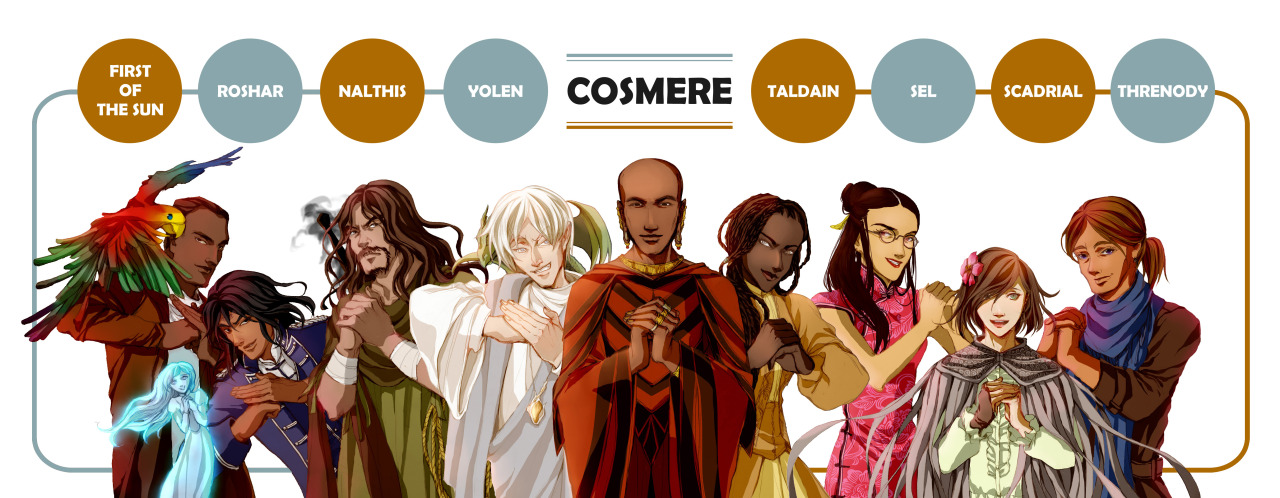
Brandon Sanderson’s Cosmere

https://botanicaxu.tumblr.com/post/138862187844/finished-nine-characters-from-eight-shardworlds

Brandon Sanderson is one of my favorite authors, partly because he can take a genre where most of the corners have been explored, and expands them with either amazing skill or brilliant new ideas. He also just executes these books with incredibly complex plotting, such as the Stormlight Archive series, which will apparently have ten enormous volumes (the fourth is currently available for preorder). Even this man’s unpublished books are better than most authors can manage (the original White Sand and Aether of Night, which you can obtain from his message board by request).

And he’s created his own interconnected universe known as the Cosmere, which links together most of his published work. Mostly this is through the concept of Shards, which are fragments of this universe’s murdered power of creation, Adonalsium. This fuels the magic of these different worlds, which comes out in different unpredictable ways – in some of them, you might turn into a living zombie, and in others you can “burn” metals that give you superpowers. This blanket mythology allows him to tell various stories with various types of magic, but allows him to interlink them so that they can have greater significance in the future.

To date there have been eleven books in the Cosmere, along with several novellas and short stories that you can find in the Arcanum Unbounded collection, and a graphic novel series. Which, by the way, I do not recommend reading in its entirety until you’ve read the novels.

If this sounds intimidating, it really isn’t. Some of these works can be read pretty much independently of their greater mythology, and then later works can give you an appreciation of the greater, more universe-spanning story being told here.

If you’re interested in checking it out, I’d recommend that newcomers to the Cosmere start out with Elantris, Warbreaker or the first Mistborn trilogy. White Sand, the graphic novel, is also a good starting point if you want to get into it via comics (although I do recommend the unpublished text, which has some notable differences and a cliffhanger ending). These books were my introduction to the Cosmere, and they are stories that can be appreciated on their own before you connect them to a larger story. Or you can just read them independently, and enjoy them independently. It’s your choice.

(Also, Elantris has some flaws – I’d rate it three stars out of five – because it was one of Sanderson’s early works, but the overall story is an engaging one. So if that one isn’t to your taste, I’d recommend checking out Warbreaker before coming to any conclusions)

Then, I’d recommend checking out the short stories and novellas such as Mistborn: Secret History, Allomancer Jak and the Pits of Eltania, Shadows for Silence in the Forests of Hell, The Emperor’s Soul and Sixth of the Dusk. You can find all these in the Arcanum Unbounded collection that I mentioned before, along with a Stormlight Archive novella that takes place after the second book. But obviously, don’t read that until you read the first two Stormlight Archive books. Then there is the second era of Mistborn, which takes up the next three books in a much later time period than the original – and unlike most epic fantasy, it actually has technological advancements!

If you have read the books/stories and like them, and want to see more, then check out… well, the Stormlight Archive. These books are absolutely massive – each one is like a brick made out of paper – but they don’t feel that way. Reading the first one actually flew by pretty quickly for me – it took longer for me to read The Great Gatsby. These are ones that are best appreciated when you’ve read Sanderson’s other works and understand the universe they exist in; they delve into the cosmology of the Cosmere and how things got to be the way they are.

And the Cosmere is still expanding: Sanderson will be releasing a new Stormlight Archive book this November, and a new Mistborn novel after that. Furthermore he has plans for a bunch of other books, including a sequel to Warbreaker, two more trilogies for Mistborn, two more Elantris books, more Stormlight Archive, and a prequel series that he’s planning after the Stormlight Archive has concluded. And who knows? He may get other ideas for novels, novellas or short stories along the way.

So if you want epic fantasy that doesn’t just copy Tolkien, Martin or one of the other big names, Sanderson is a good option (especially since the Mistborn trilogies advance technology over time, and one future one will be a space opera!). And I haven’t even gotten into his non-Cosmere stuff…
Where Susanna Clarke led me…

I am old enough to remember before Google effectively ran the universe and Wikipedia was the main source of information, meaning that by Internet standards, I am pretty much Methusaleh. I also remember when phones plugged into the wall. But that means that I remember the days before you could go into a rabbit hole of information that could lead you to strange new obsessions in a matter of minutes.

Which brings me to Susanna Clarke. If you haven’t heard of Susanna Clarke, she is the brilliant author of the fantasy known as Jonathan Strange and Mr. Norrell, a story about feuding magicians in Regency England, with fairies and the Napoleonic War. If you haven’t read it, give it a try. It’s like if Jane Austen decided to collaborate with Diana Wynne-Jones – if that sounds good to you, you might enjoy it. Also, the miniseries the BBC adapted from it is quite good as well.

But that book is not what I’m talking about. I’m talking about Piranesi, her not-yet-released third book/second novel. The book is apparently about an infinitely large and complex house with an ocean within its walls, and it sounds like there may be something about parallel worlds or something like that. The summary is a little blurry, but that’s probably because it isn’t a “regular” fantasy novel, and there’s an element of mystery.

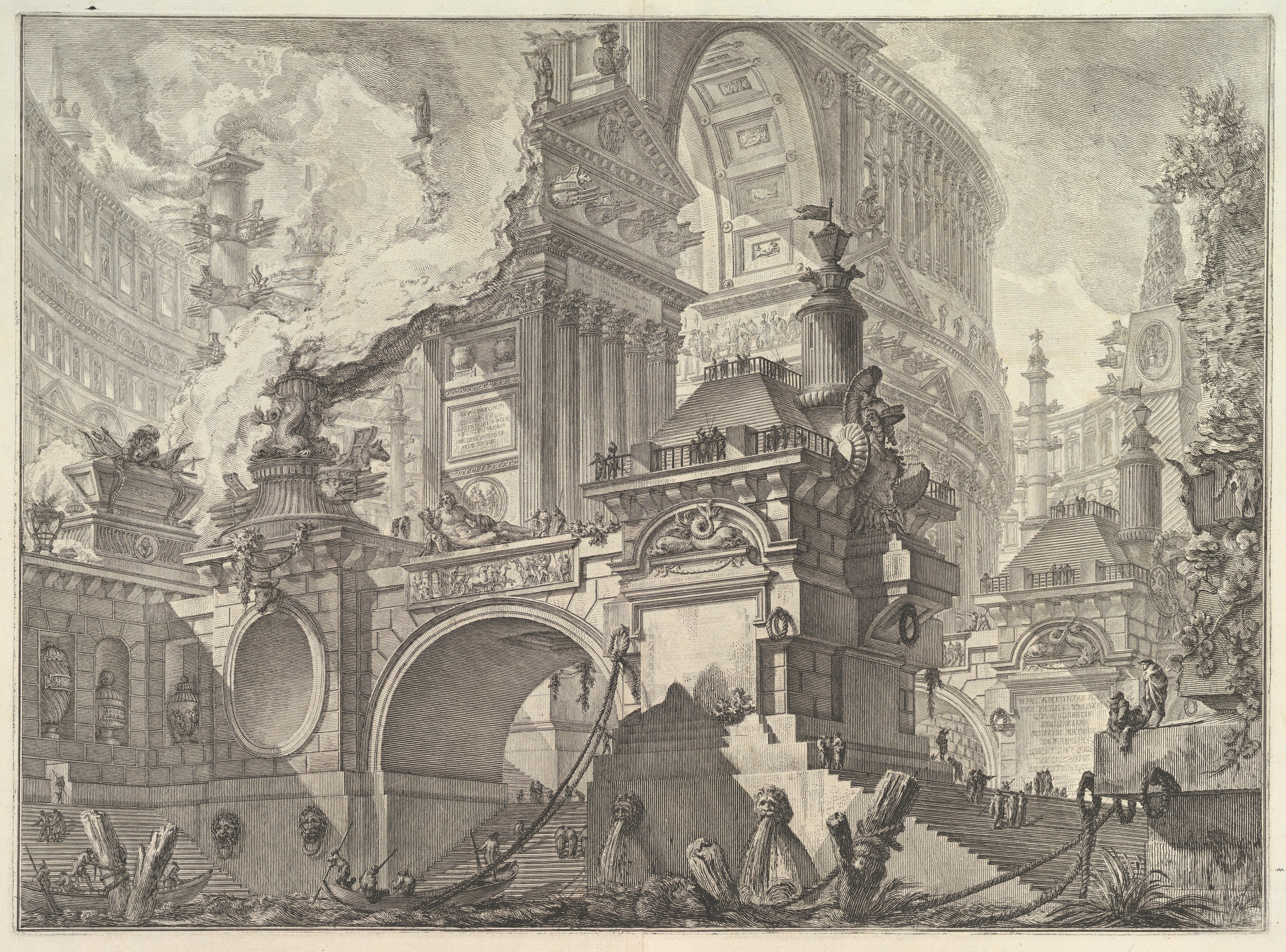
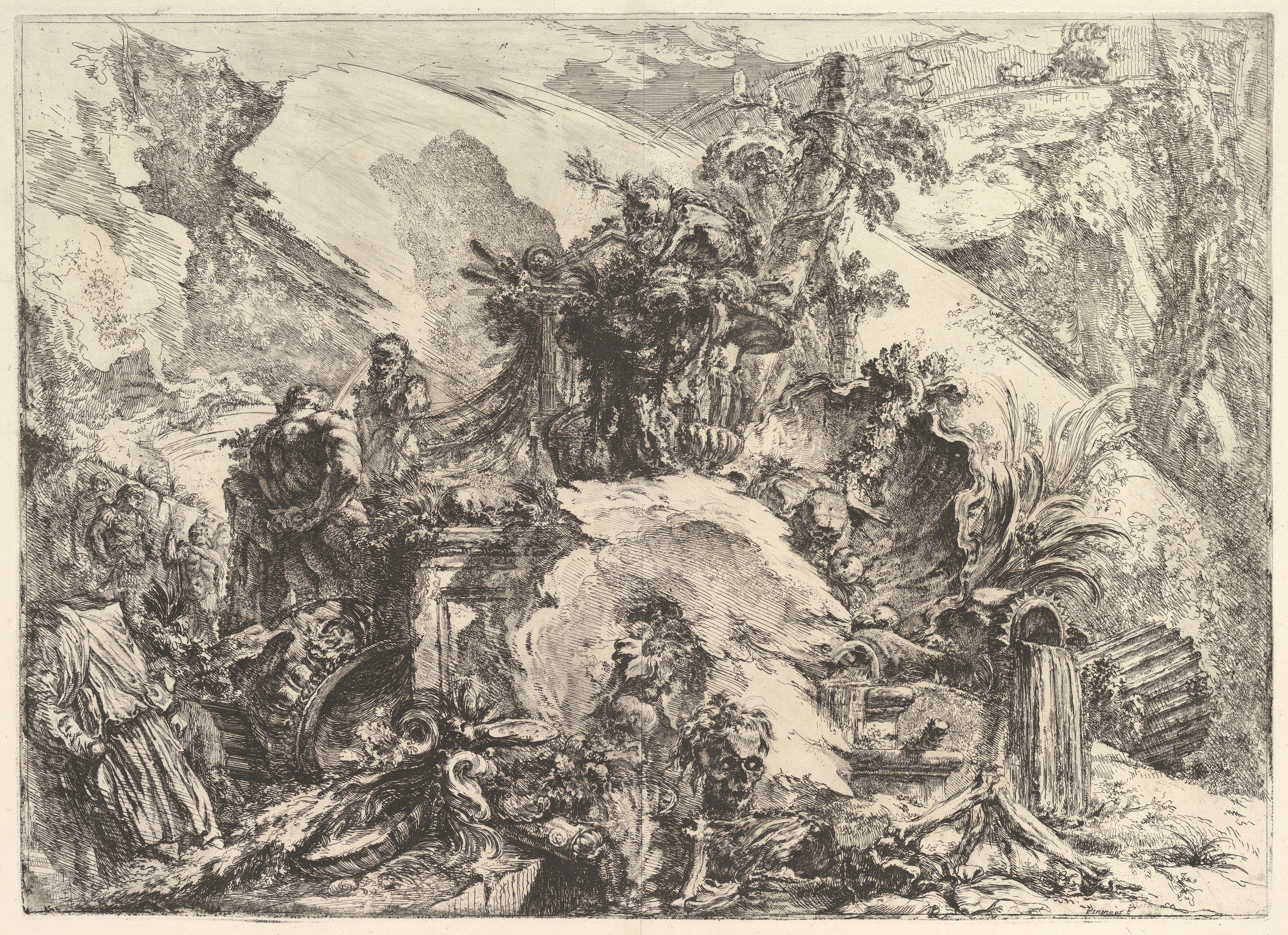
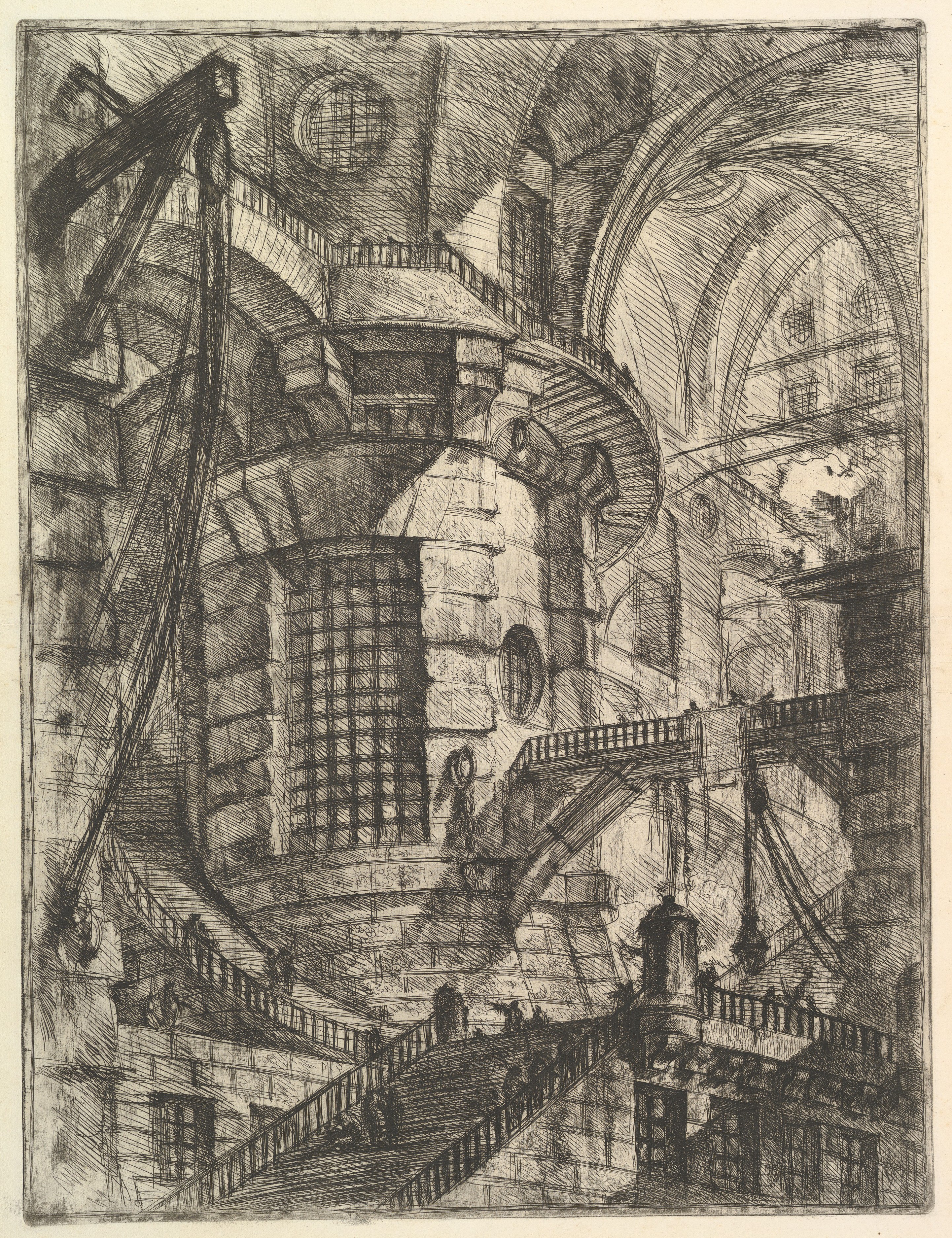
But I decided to google “Piranesi” to learn more. And lo and behold, I found very little information about the novel, and quite a bit about one Giambattista Piranesi, who lived in the 18th century.

Unlike some, I am not going to pretend that I knew all about Piranesi in order to sound more sophisticated. I freely admit that there are artistic spheres, genres and disciplines that I know virtually nothing about, because I either have very little interest in them or have not had the chance to study them extensively. Etchings are one of these areas.

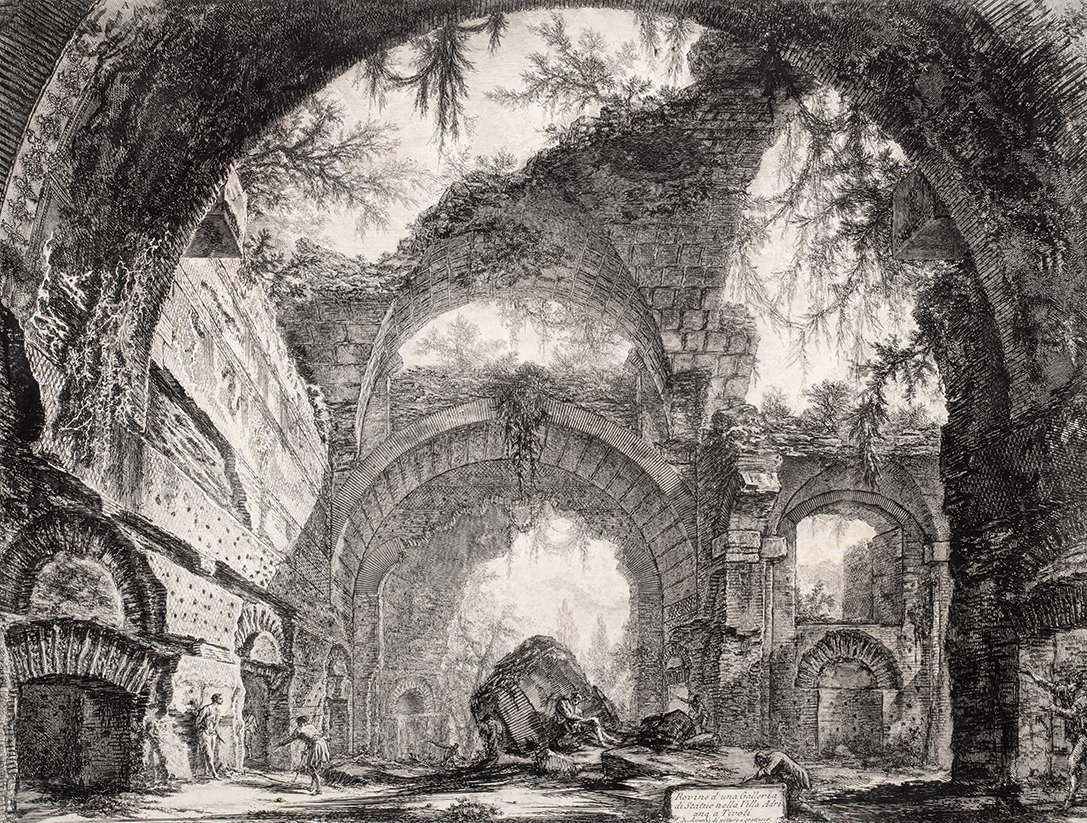
But I really was swept away by Piranesi’s artwork.

I don’t know about Clarke’s creative process, because to my knowledge she does not have a website or social media. But I wonder if these etchings in some way inspired the novel Piranesi. Not necessarily in the sense of the plot, because as far as I can tell, Piranesi’s etchings don’t really have a “narrative” that you can discern…

… but more in the sense that some of these etchings give a sense of structures with immense space, age and complexity. Sometimes they feel downright fantastical or otherworldly. And that sounds like the aesthetic for the House in Piranesi.

So nothing too deep, just me sharing that I like Piranesi’s etchings, and I wonder if Clarke was inspired in some way by the aesthetic of his architectural studies.

Also, check out Piranesi when it comes out. And read Jonathan Strange and Mr. Norrell. That’s all.

Recommendation: The Brokenwood Mysteries

My most beloved genres are science fiction and fantasy… fantasy a little more than sci-fi, since I have limited tolerance for the intolerance of many sci-fi writers. But when I was but a wee cynic, I was a devoted watcher of murder mysteries – Agatha Christie stuff, some Ngaio Marsh adaptations, and the wonderful Murder She Wrote. Some of my earliest television memories are of these shows.

And I still do watch mysteries now, although a lot of the more recent Christie stuff has turned me off. I tried watching Scandinavian murder mysteries, but they… how do I put this?… made me want to blow my brains out because everything is so overcast, depressing and bleak. Wales is a close second with Y Gwyll. So I get a great deal of my murder mystery viewing from merrie olde Englande.

But there’s a big exception: The Brokenwood Mysteries, a charming little series from the beautiful land of New Zealand, the country of Lord of the Rings and Flight of the Conchords. If this is what this country has to offer, I would love to see more mystery series from them.

Part of that is the energy that New Zealand seems to have. Now, I admit I have never been to New Zealand, and I don’t know a lot of people from New Zealand. But the people I have met and the media I’ve consumed from that country give off a very mellow feel – not pushovers, but people who don’t get too overexcited, too bleak or too angry, and are generally pretty welcoming and pleasant. That’s the energy this has, even in its darker episodes or when it tackles serious topics like molestation.

So this series takes place in the town of Brokenwood, which starts out as a quaint little small town but acquires new attractions and institutions every time it needs them (like a women’s prison, several wineries, a major country music show, a whole steampunk community and a historical village). It’s kind of like Cabot Cove in that regard. The main detective is Mike Shepherd, a much-married-and-oft-divorced detective who moves to Brokenwood (and buys a house with a failing vineyard) after solving a complex case that stems from a botched murder investigation years earlier. I’m not going to tell you what that case was, because I really want you to watch the show yourself.

But the thing is, Mike is very quirky. He’s a country music enthusiast with a love of vintage stuff (sort of like a middle-aged hipster), and he has conversations with murder victims. He’s backed by the less quirky younger cops, Detective Kristin Sims and Detective Constable Sam Breen, who are relatively normal. Breen does have some comic relief, though, because every single interview he does with a suspect – and sometimes with people who aren’t suspects – ends up a disaster. For instance, he ends up in the wilderness with possum fat on his face. Or a mental patient takes apart the interview table. Or he has to deal with a UFO conspiracy theorist.

There’s also Dr. Gina Kadinsky, a hilarious Russian medical examiner who has all sorts of weird proverbs and sayings and viewpoints that always have Mike off-kilter. Also when someone gets stabbed, she will bring out slabs of meat and stab them with different implements to see what probably did it.

There’s also an array of supporting characters who cycle in and out of the various episodes over the length of the series, including:

  • Jared Morehu, a Maori man who lives next door to Mike, and who is a sort of local jack-of-all-trades who sometimes helps out.
  • Frodo, a rather unfortunate little man who goes through various jobs and tends to accidentally be close to suspects and crime scenes.
  • Mrs. Marlowe, a very socially active old lady with a very lurid imagination.
  • Dennis Buchanan, an annoying lawyer with an…. interesting sex life.
  • Ray Neilson, a local grumpy pub owner who runs a Lord of the Rings-themed tour on the side and occasionally gets drunk with country roadies.

And there are a bunch of other characters who float in and out in various episodes, and there’s no way of knowing what part they’ll play. A suspect from an early episode is a murder victim later on. Another recurring character turns out to be a murderer. But it really gives a feeling of an actual community to have characters floating through in different places, knowing each other and being fleshed out with their subsequent appearances.

I may be making The Brokenwood Mysteries sound like it’s almost comedic, but it’s not. It does have a lot of moments and characters who are lighter-hearted compared to many American or British shows – or, heaven forbid, Scandinavian shows – but it does give due gravity to serious, sad topics that are central to the plots, like gaslighting, molestation, infidelity, and so on. Sometimes it ends on a relatively downer note, even if the bad guy is caught.

But I also don’t want to make it sound too depressing. The murders are pretty colorful and varied, not just your garden-variety poisonings and stabbings – some are lurid, some are bizarre (caffeine poisoning), some will make you wince (the skydiving incident), and so on. But they are very rarely boring murders; there’s always something like a tanto or a dead bride to keep things interesting. Then Breen will have a nightmarish time talking to suspects, Gina will say or do something weird, Mike will go on about country music or his old car, Kristen will make coffee and it will be bad… and you’ll smile despite all the blood and death.

And furthermore… Brokenwood just has a very oddly homey, welcoming feeling to it. Despite the high murder rate, it feels like a place you would want to live – it’s small-towny and close-knit, but at the same time it’s full of interesting people and things. And that mellow, laid-back feeling of New Zealand media just adds to the feeling.

So if you like murder mysteries, or New Zealand, or both… check out The Brokenwood Mysteries. There have been twenty-four hour-and-a-half-long episodes thus far, and it’s a good series to binge.

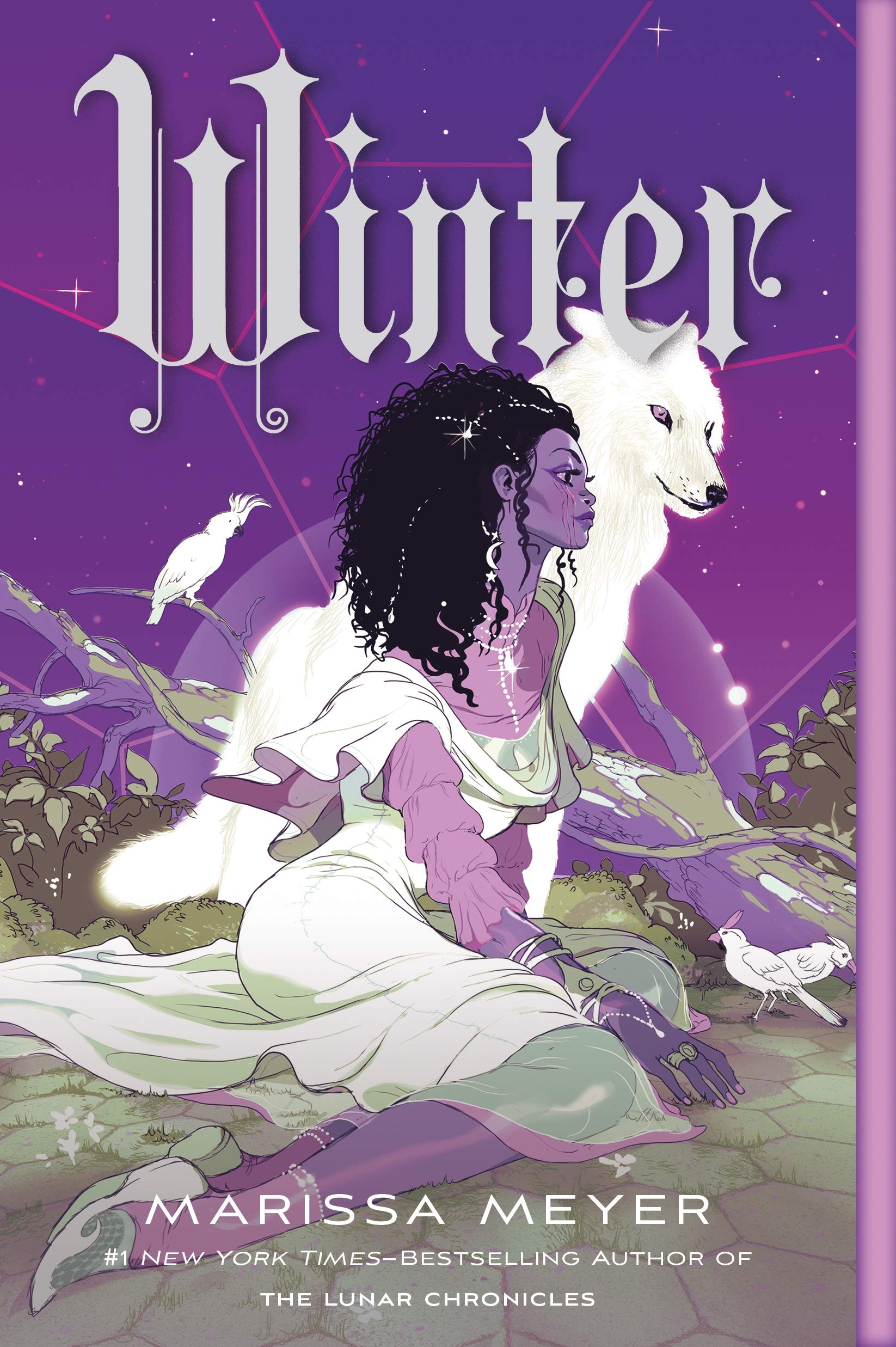
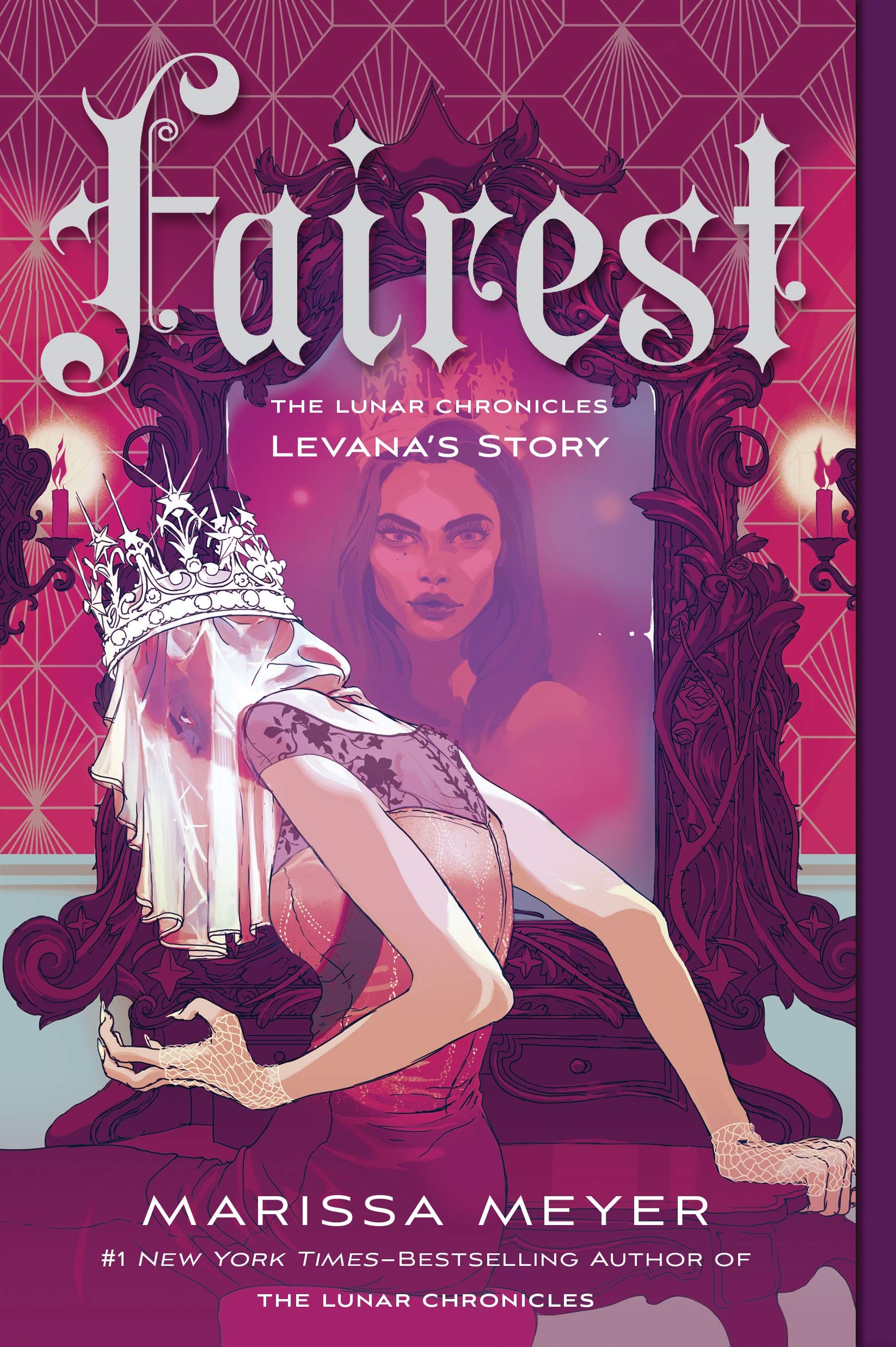
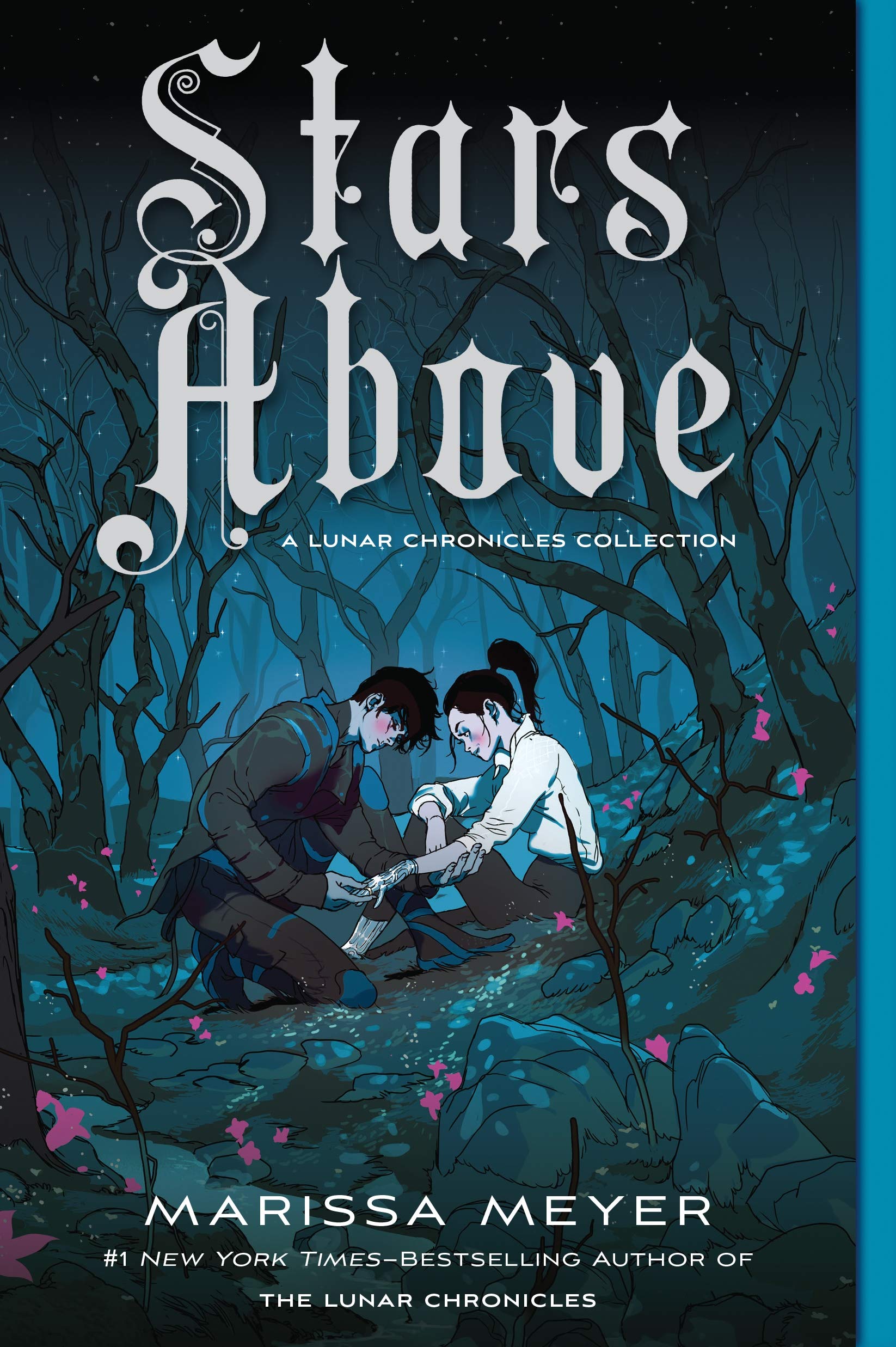
The Lunar Chronicles: overview and new covers

I absolutely love the overall work of Marissa Meyer. No, not the ex-president of Yahoo!, but the author of assorted sci-fi and fantasy books, most notably the Lunar Chronicles series. I’ve read all her books to date, and I’ve enjoyed them all except for the Alice in Wonderland prequel Heartless. Please let it be noted that I am not saying Heartless is bad, because it’s not. It’s objectively quite good. I just didn’t enjoy it because it’s a very bleak, rather depressing book. If you enjoy that sort of book, by all means, descend upon it like a swarm of locusts and gobble it up.

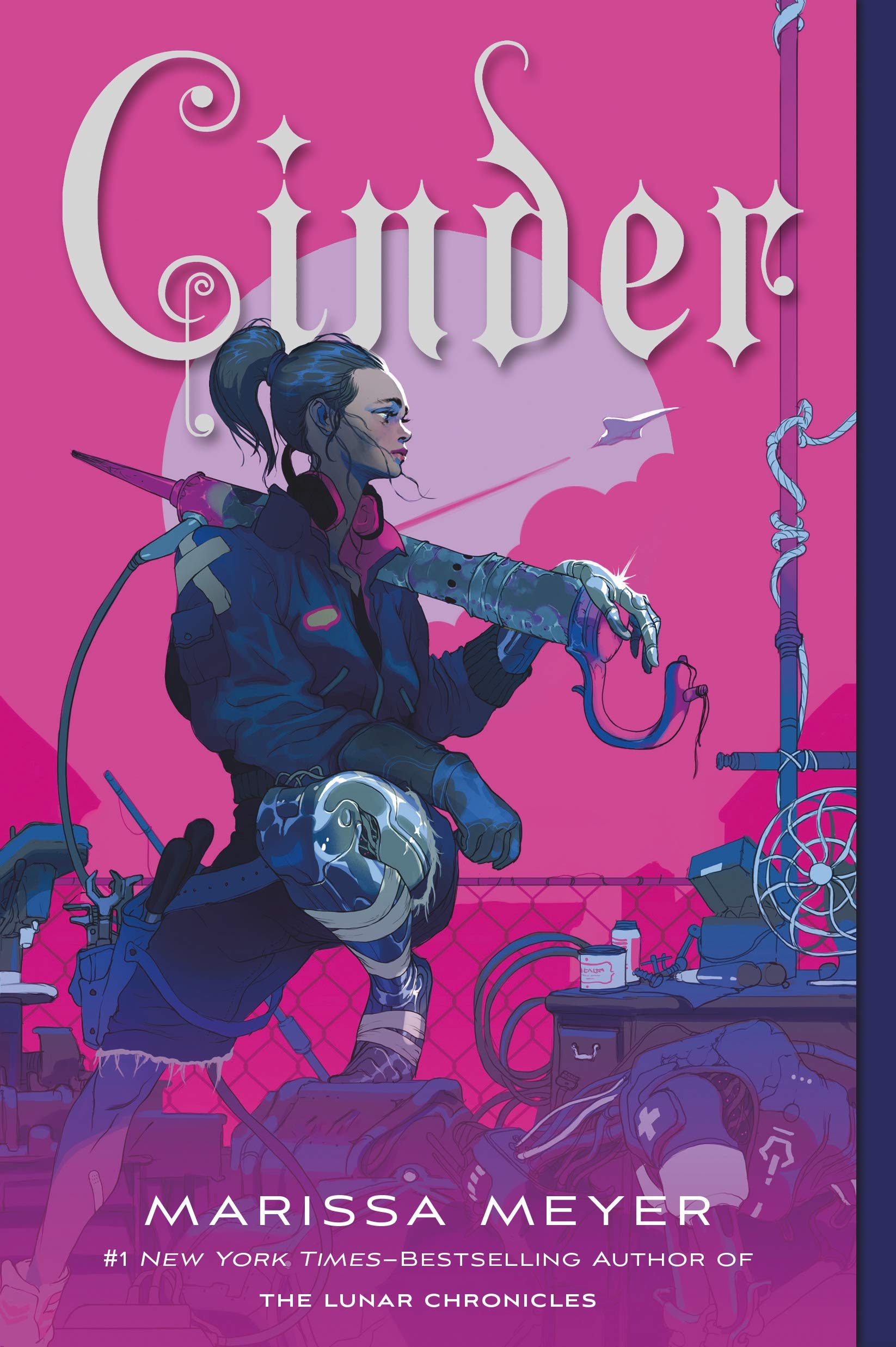
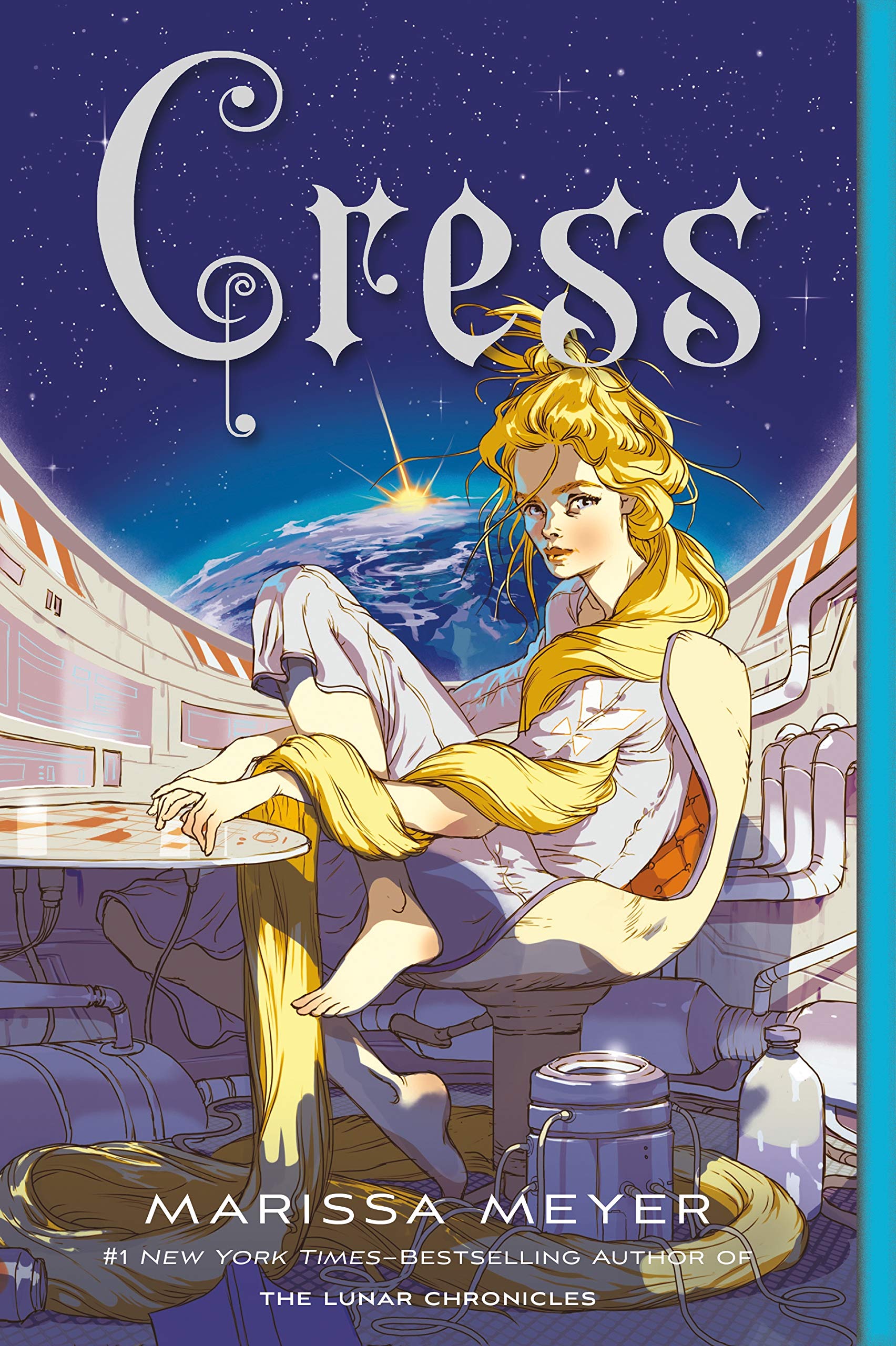
And like most of her readers, I was first introduced to Marissa Meyer through the Lunar Chronicles’ first volume, Cinder, which is a retelling of the Cinderella fairy tale with an Asian sci-fi twist, with interstellar politics and a plague. I won’t go into too many details about the overall plot, which stretches over four books, a prequel, a collection of short stories, and a sequel two-part graphic novel. But suffice to say that each of the main books focuses on a fairy tale that is reimagined in a sci-fi setting – Red Riding Hood, Snow White, Rapunzel – which is folded into Meyer’s universe of the oppressive Lunar civilization, a plague, futuristic unified versions of Africa, Asia and Europe, and so on.

So if you enjoy science fiction, or if you enjoy fairy tales… or both… this is a good young-adult series. It also has some pretty healthy romances in it, while still including some superficial bad-boy/Prince Charming archetypes.

The original covers were fairly pretty, but I absolutely love the new covers that they’re rereleasing the books with. As in, I might buy the books again so I can possess these beautiful covers.

Also, read the Renegades trilogy. It’s also very good. Maybe I’ll babble about that later.

Free books + three things that go together

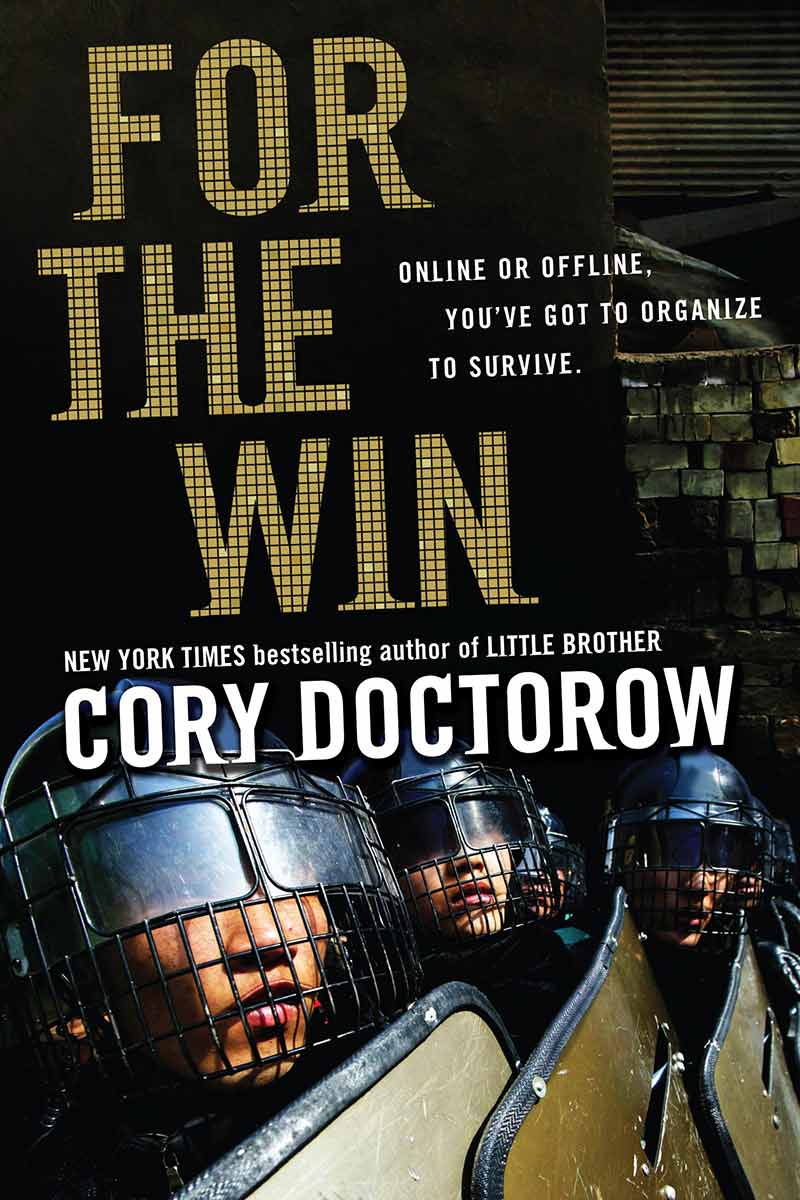
I like books. I like free things. I like Cory Doctorow.

So it’s probably a good thing that those three things go together: Cory Doctorow writes books, and some of them are legally available for free on the Internet. Not all of them, but certainly enough for you to get your toes extremely wet… maybe even your ankles… and experience a decent sampling of his oeuvre.

For instance, his website https://craphound.com has the books Little Brother and its sequel Homeland, Pirate Cinema, Down And Out In the Magic Kingdom, Eastern Standard Tribe, Makers, With A Little Help, For The Win, A Place So Foreign, The Rapture of the Nerds, Someone Comes To Town Someone Leaves Town and Overclocked free to download in a few different formats.

I would recommend downloading and reading these various books, leaving your viewpoints on Amazon and Goodreads (and please, for the sake of my sanity, do more than just say “I liked it” or some other one-sentence “review” that doesn’t elaborate on anything), and – if you enjoy Doctorow’s work and you have the spare money to do so – buying them to support him. Because that’s what we should do when an author challenges the copyright fascists and their flawed logic.

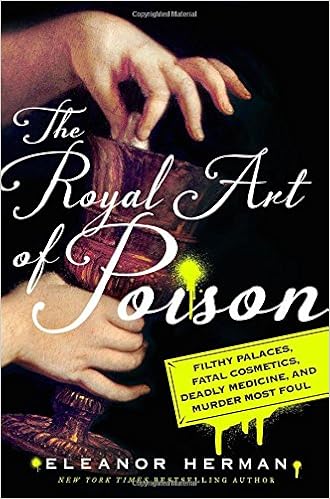
Recommendation: The Royal Art of Poison by Eleanor Herman

I don’t read as much nonfiction as I really should, partly because I tend to like stuff that is weird, colorful and as scandalous as possible without being too gross. I’m a bad intellectual snob, because I read more about the sex lives of artists and royalty than about the cause of World War II or the history of various sovereign nations.

Which leads me to Eleanor Herman, who wrote an entire book about poison. Poisonings today are pretty mundane, straightforward and unglamorous affairs, and usually happen because of Vladimir Putin. The Royal Art of Poison instead focuses mostly on ye olde poisonings in all their glorious lurid detail – there are poison factories, a woman who spent years selling an iocane-like liquid that she smuggled in holy water vials, princesses who died in agony, and all sorts of insane ideas about what could neutralize or detect poison. Think unicorns.

And they did some pretty crazy stuff. Not just the extensive poison-taster of stereotypical medieval lore, but servants who had to test the bed linens, the napkin, the silverware, the clothes, even the chamber pot.

But Herman also addresses the things that poisoned people by accident, ranging from heavy-metal makeup to sewage to archaic medicine (both folk and “learned”) to potions created to maintain the youth and beauty of royal mistresses. The most successful of them was a woman who, ironically, poisoned herself with gold… but hey, she died looking decades younger than her real age. I’m surprised Hollywood hasn’t tried to follow her routine.

And Herman also does a little detective work in chapters interspersed throughout the text, wherein she studies the cases of various people thought to have died – or even just rumored to have died – because of poison. Their symptoms are examined, and sometimes their mortal remains, and Herman forms hypotheses about what killed them. Sometimes it was almost certainly poison. But oftentimes it was a medical condition that they couldn’t yet diagnose which caused people’s unpleasant deaths, or perhaps something that poisoned a person but which was perhaps unintended.

And because of the people often included in this – popes, kings, mistresses, Borgias, Medicis, and so on – there is also a soupçon of other things that make life interesting. There are tombs destroyed by the French Revolution. There are assassination attempts (sometimes foiled by dogs). There is the pervasive belief that women who don’t have enough sex go crazy (but too much is bad too – apparently sex is like chocolate). There is cannibalism. There are corpses stuffed into beds with sick people. There are dead birds tied to people’s heads. There is an alcoholic elk.You cannot make this up.

I know I’m making this book sound kind of like it’s all clickbaity sensation, but it’s very educational – Herman just makes it incredibly fun to learn these things, about the way medieval/Renaissance people thought and saw the world, and the things they did in their daily lives. You’ll find out about the evolution of religious practices, the courtly interplay of love, murder and power, intellectuals and scholars, the lives of more obscure royals and nobility (mad King Erik), and other fascinating historical tales that are made more colourful in the telling.

So if you enjoy history told in its most fascinatingly strange and wonderfully memorable, this book is a must-read. Also, read Herman’s other books.